Cultural heritage objects and areas
Nesterov (Stalupėnai) district
Memorial museum of the Lithuanian literature classic K. Donelaitis
(Chistye Prudy)
Tolminkiemis (Chistye Prudy) is well-known for the memorial museum of the Lithuanian literature classic Kristijonas Donelaitis. The town has been mentioned in historical sources since the XVI century. The first church in Tolminkiemis was built in 1589. K.Donelaitis came here in 1743 and found a collapsing carcass church, on the site of which in 1756 he built a new one from field stones and bricks. A widow's home was erected nearby in 1764. Here, in the rectory, the poem "The Seasons“ was created. The church still had a roof until 1948, and during Second world war its tower was demolished, leaving no windows or doors. After a decade later the walls almost gone. In 1964, to commemorate the 250th anniversary of the classic birth, a monumental stone was erected next to the church ruins, and later preparations for the reconstruction and repair of the church began. In the same year, the K.Donelaitis museum was opened here. The rectory house, which was reconstructed and survived, also survived. During the implementation of the Lithuanian-Russian Federation 2014-2020 cross-border cooperation project “Cultural heritage at the border region - for tourism and cooperation” in 2019 the repair of the museum buildings - the rectory and the church started, which will be completed in 2021.
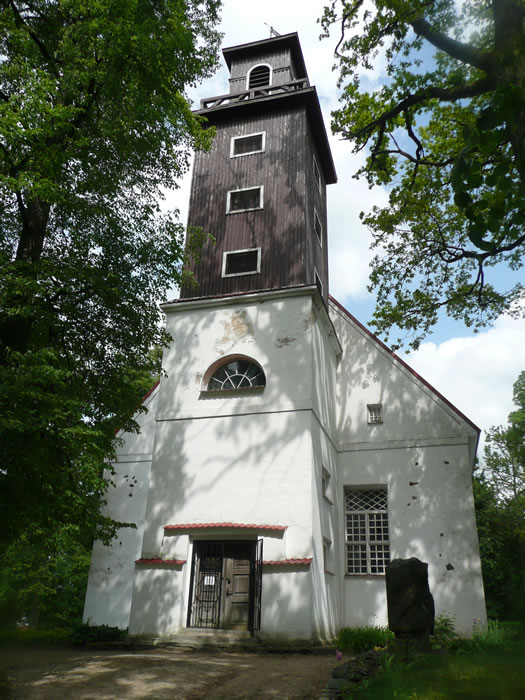 Church in Tolminkiemis
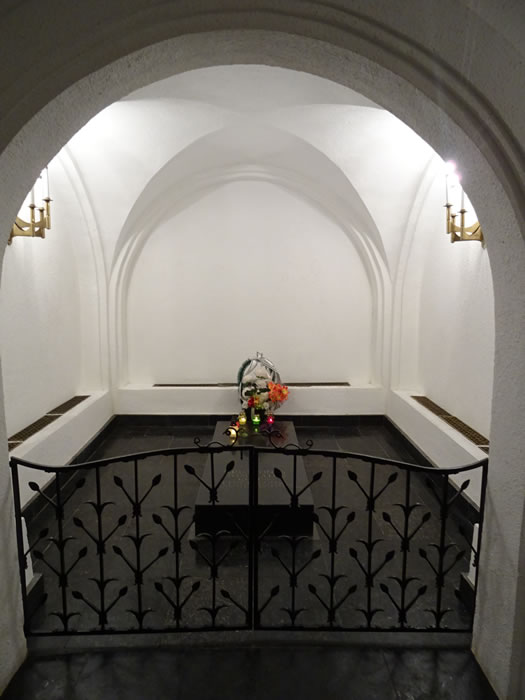 Grave of K.Donelaitis in crypt of church
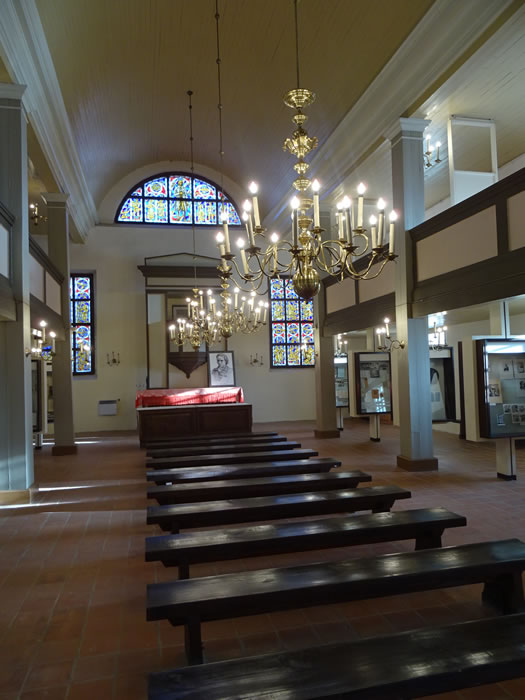 Museum of K.Donelaitis in church
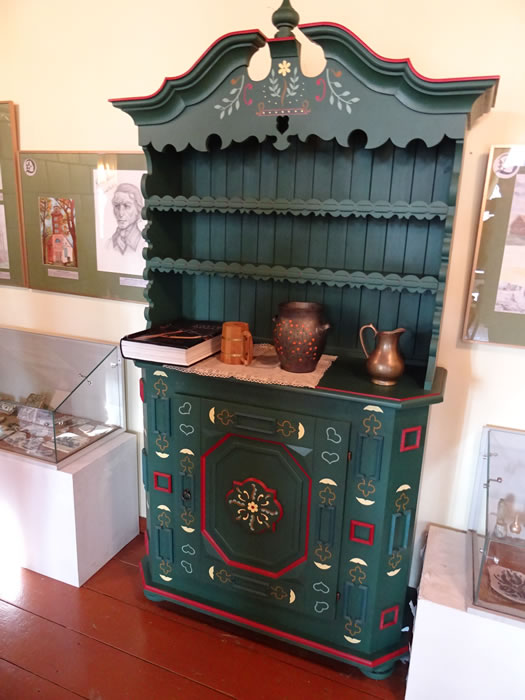 Tolminkiemis. Museum of K.Donelaitis
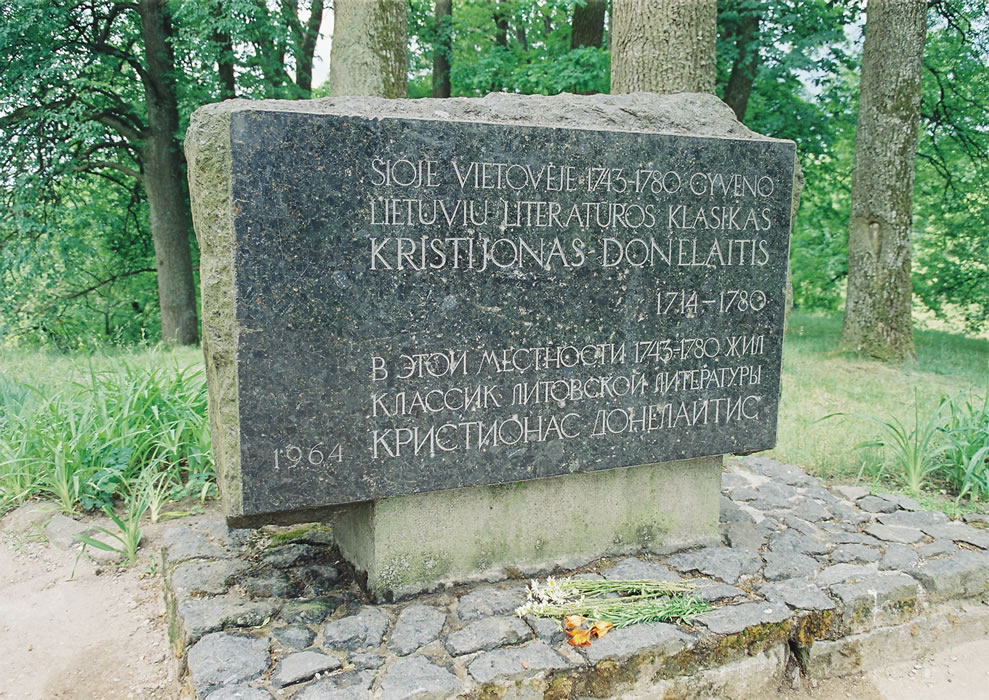 Museum of K.Donelaitis. Momumental stone from 1964.
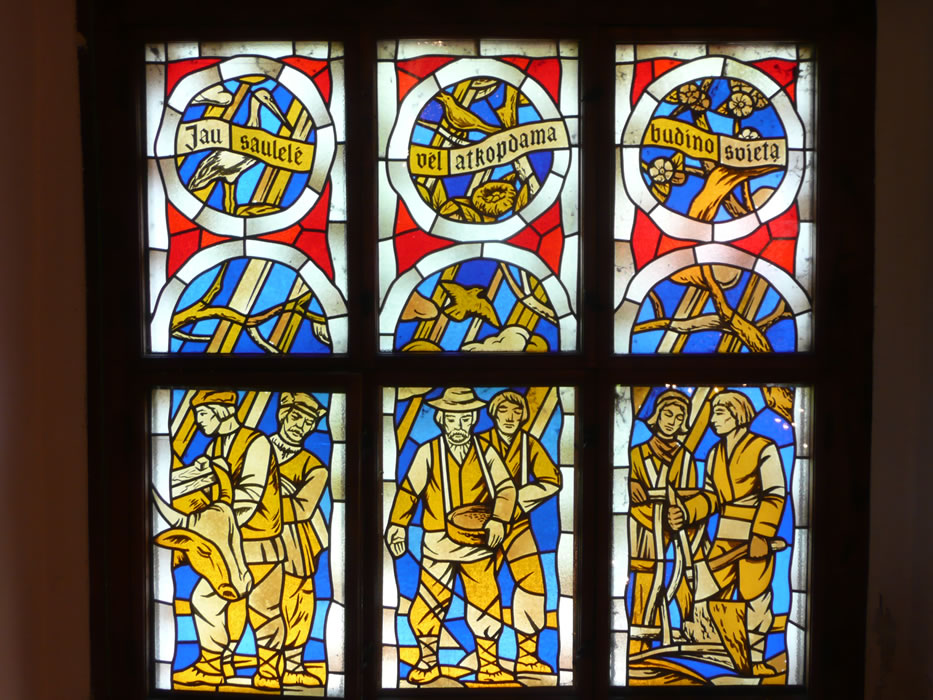 Stained glass in church in Tolminkiemis
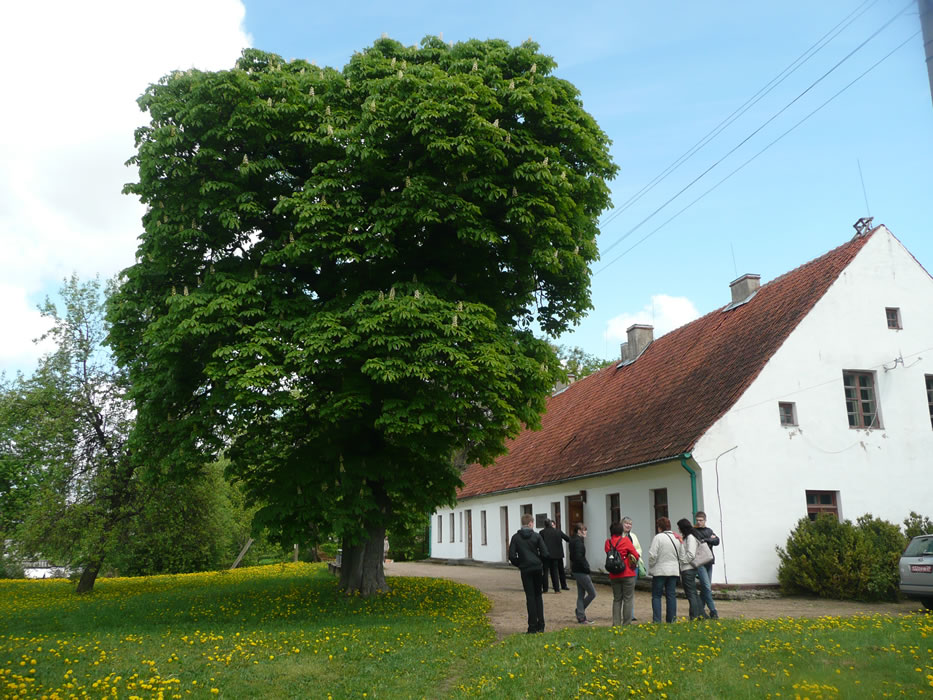 Tolminkiemis. Museum of K.Donelaitis. Presbytery.
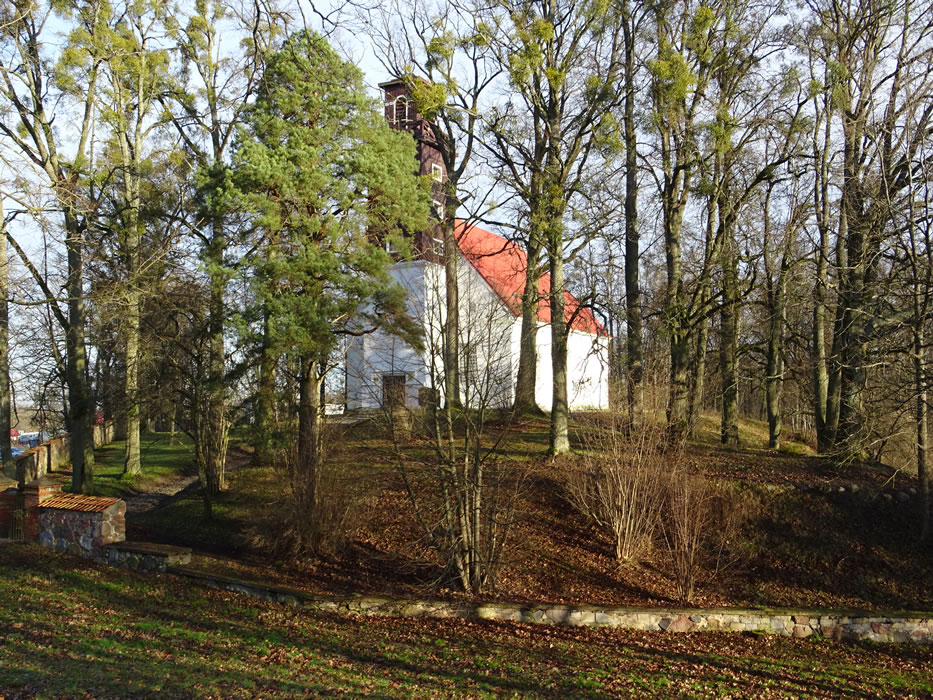 Tolminkiemis. Museum of K.Donelaitis.
Stalupėnai parish
(Chernyachovskogo st. 56, Nesterov)
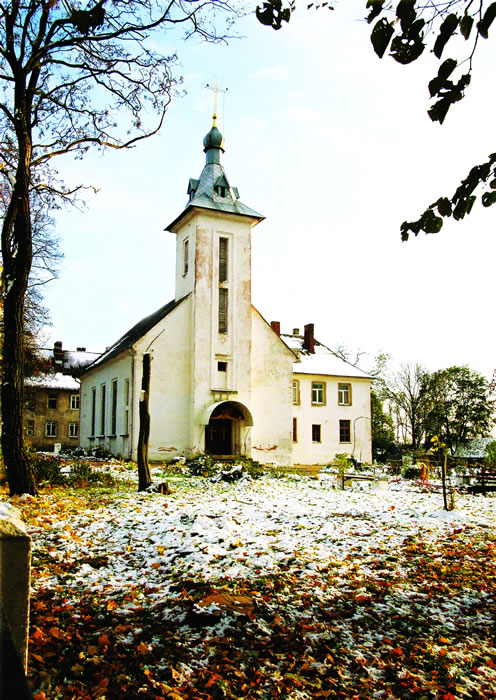
Stalupėnai parish was founded and the first church was built in 1589. It did not survive, a new church was built on the site in 1726, but it was also demolished in the XIX century. The current house of prayer in Nesterov was built in 1927. After the Second world war a pioneer house was established here. The Orthodox Church of the Holy Spirit was established in the former church in 1991, it was consecrated in 1996, and in 2007 it became an object of cultural heritage. Renovation of the church began in 2004 and continues intermittently.
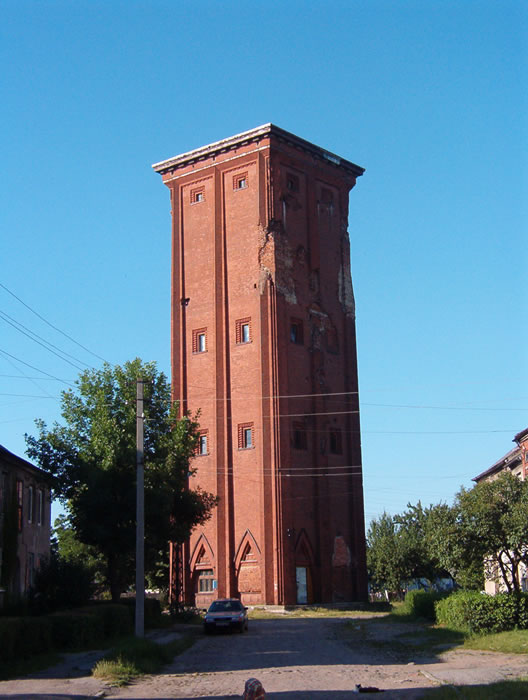
Water tower building
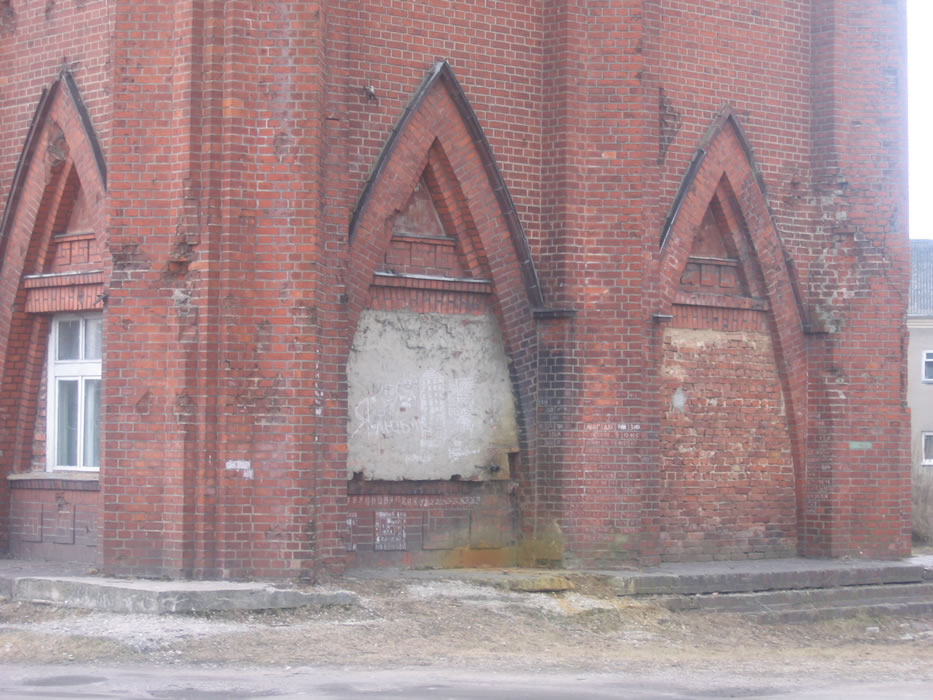
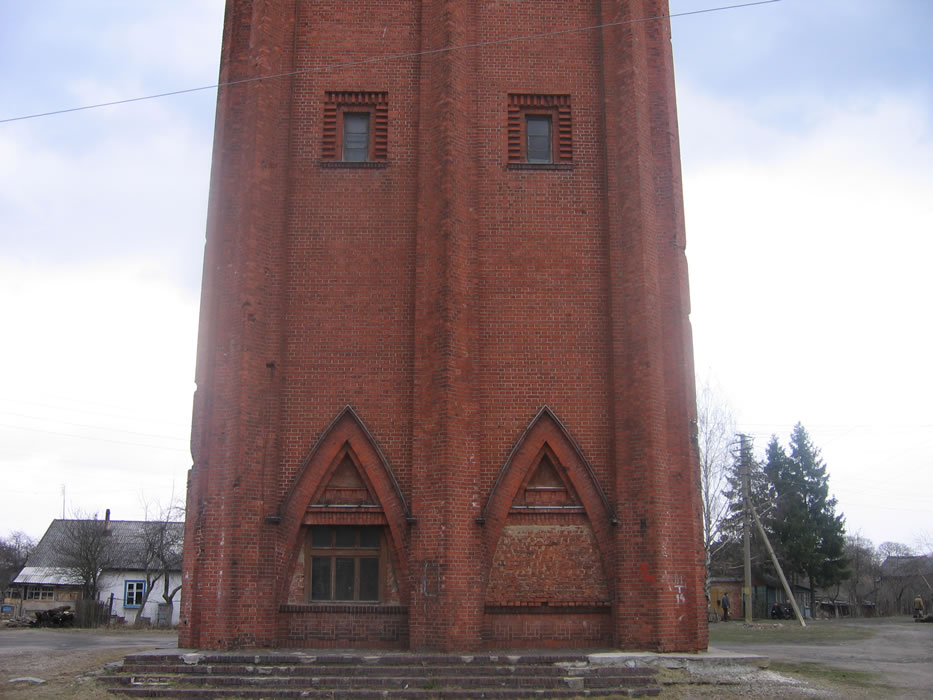
In Nesterov, tourists are also offered to visit the surviving water tower building. The impressive red brick square-shaped tower was built in 1927. It has survived well to this day and in 2007 was included in the list of local architectural monuments.
The former Trakėnai (now - Jasnaya Poliana) manor
(Shkolnaya st. 9, Jasnaya Poliana, Nesterov district)
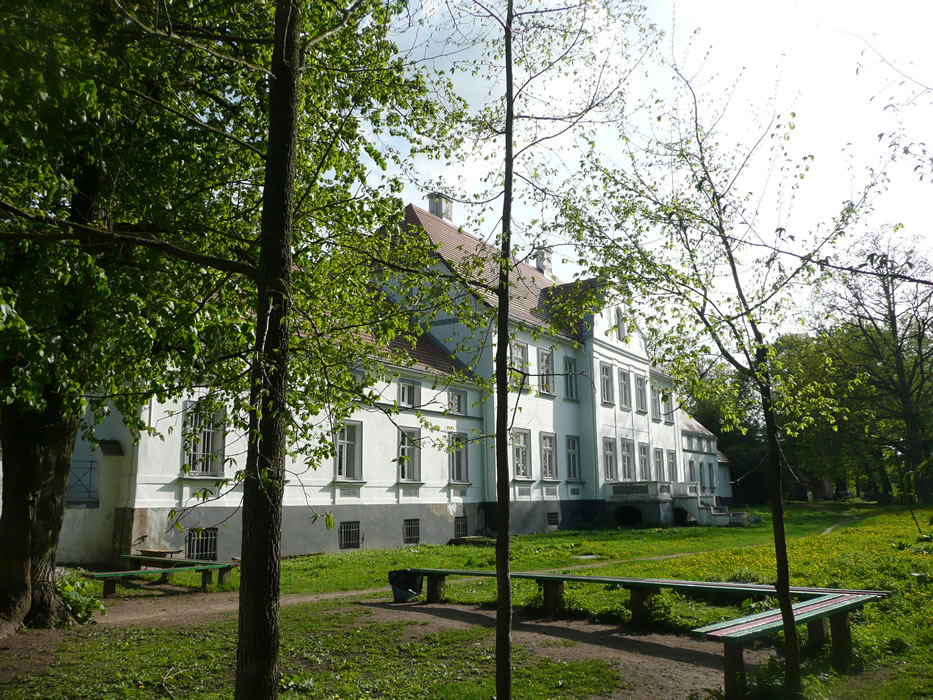
The former Trakėnai (now - Jasnaya Poliana) manor is one of the most interesting historical and architectural monuments in the Nesterov district. Already in the XXIII century, a small manor house was built here, which in the XIX century grew into a manor complex, where riding horses were bred, which later received the name of the Trakėnai breed. The stud farm was established here in 1732 by the order of King Friedrich Wilhelm I, and in 1786 it was taken over by the state. Horse show jumping has been organized here since 1839, and the Trakėnai stud farm, which covers an area of over 6000 hectares, was an international horse auction center. According to the project of architect Friedrich Kueberth the manor house was built, a racecourse, stables, puppies, auxiliary buildings were located nearby and a hotel was opened. The stud farm lasted until Second world war, during which part of the buildings were demolished, the horses fell and only part of them were transported to Germany. The main manor house has survived, the main gate of the stud farm was restored in 2001, and in 2010 the former manor house was restored. In 2007 this complex was granted the status of a cultural heritage object.
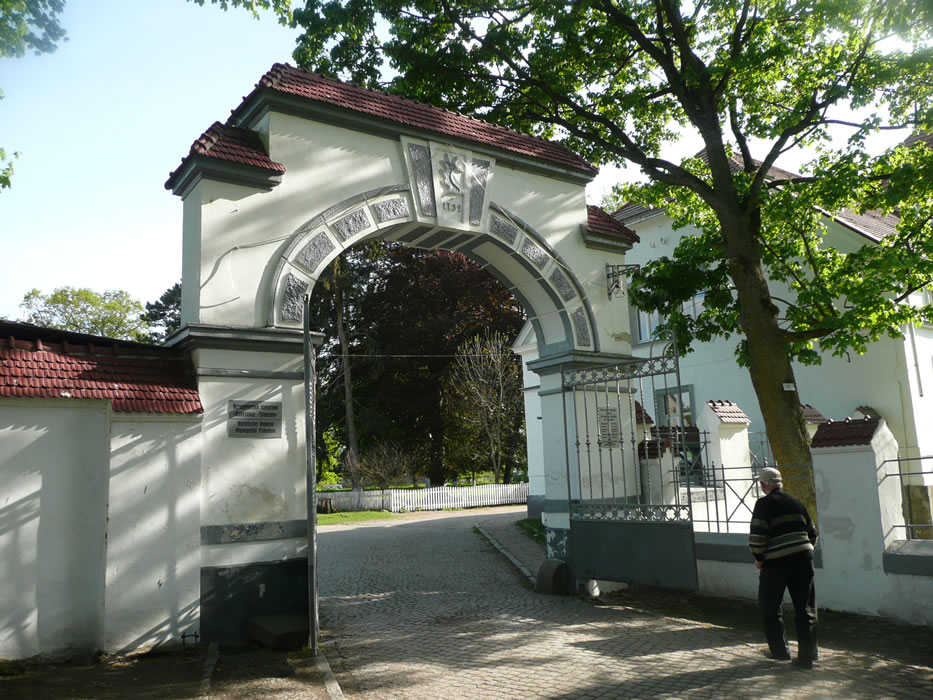 Gates of Trakėnai manor
A water mill in Briedūnai
(now Yagodnoe)
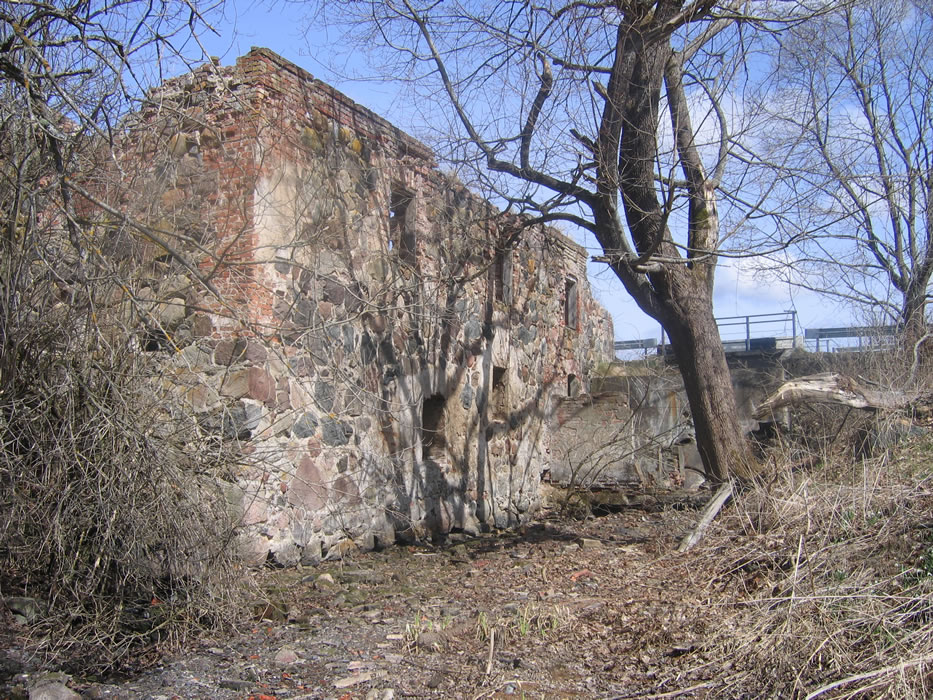
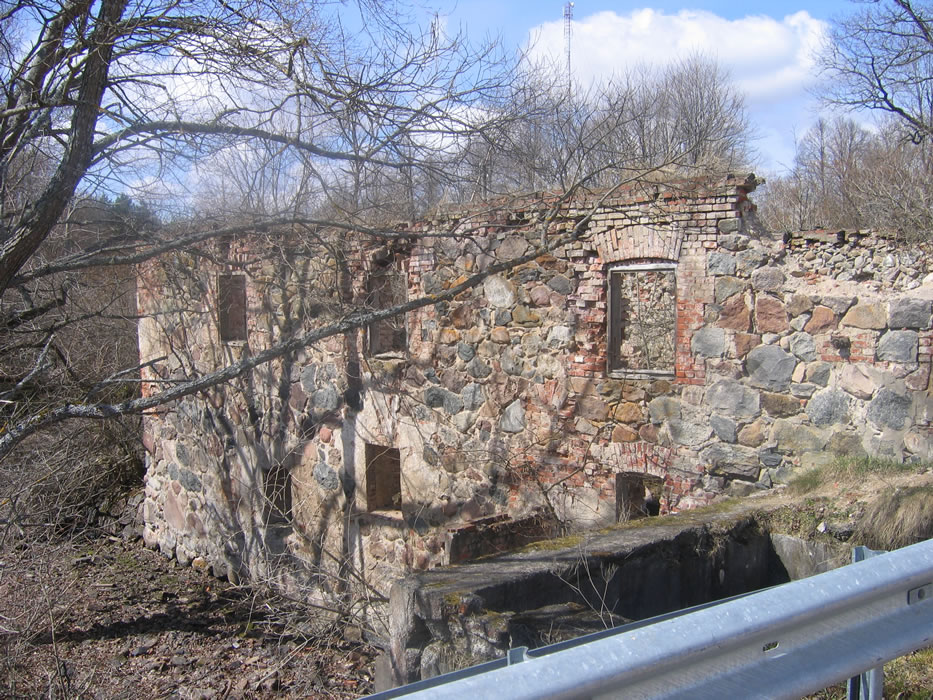
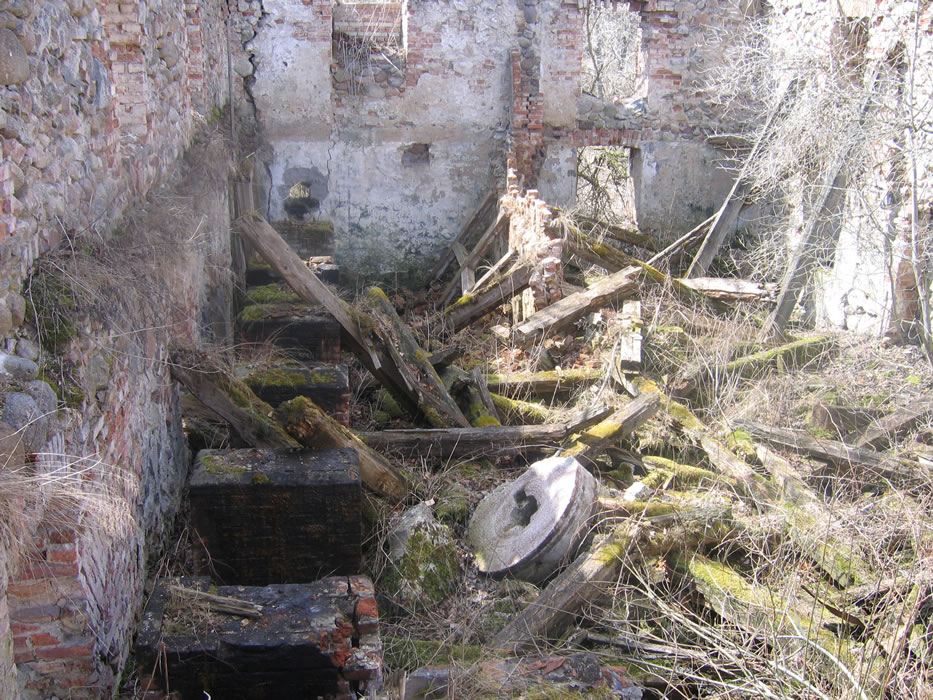
A water mill in Briedūnai (now Yagodnoe), near lake Vištytis was built in the late XIX century. To this day the ruins of this mill have remained by the roadside. Now this object is in the border area and it is not possible to see it.
Church in Pilupėnai (now Nevskoye)
In Pilupėnai (now Nevskoye) there is a former church in the village. The first church was built here in 1557, a new stone church was built in its place in 1778, and an organ was installed in 1780. During the First world war the church suffered and was later rebuilt. After the Second world war it was used as a warehouse and a refrigerator, and after the restoration of the local parish in 1995, its renovation work began, which took place most actively in this functioning Orthodox church in 2007-2009.


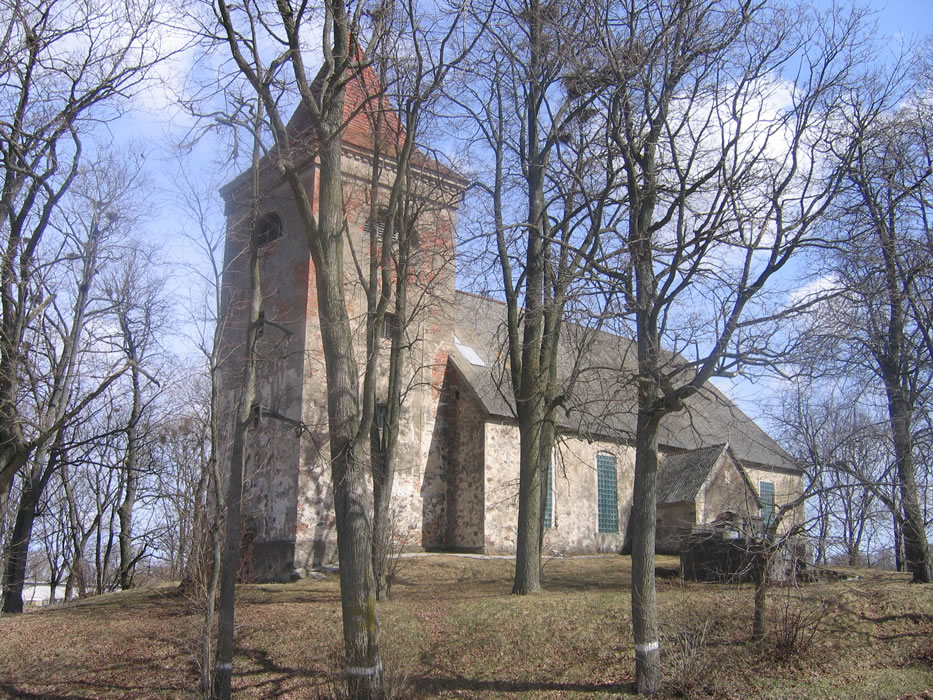
Mielkiemis (now Kalinino) church
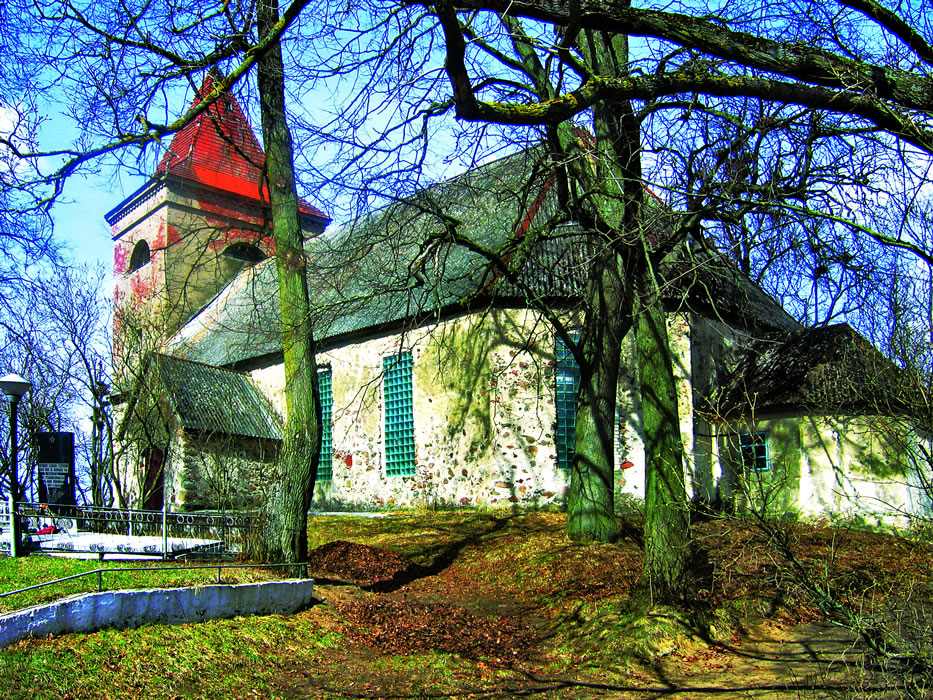
Mielkiemis (now Kalinino) church, 9 km east of Tolminkiemis was built of field stones and bricks in 1692 and has survived to the present day. Its tower was built in 1874 and is now dilapidated. The church has a warehouse after the Second world war. Lithuanians priests had given Lithuanian sermons: in 1692–1708 Jonas Berentas, in 1711–1717. G. F. Pušys, in 1718 - 1725 Jurgis Adomas Meisneris, in 1736–1753 Petras Gotlibas Milkus, in 1753–1755 T. G. Milkus (Mielcke), in 1776–1788 Danielius Frydrichas Milkus. In 2007-2008 the roof of the church, which was included in the list of cultural heritage, was covered with tiles and the walls were reinforced. Orthodox worship services were introduced here and they lasted until 2016, later discontinued.
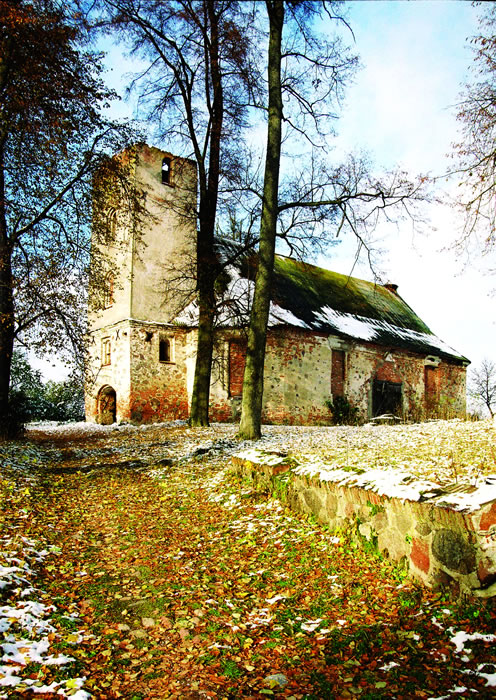
Remains of a former hunter's villa
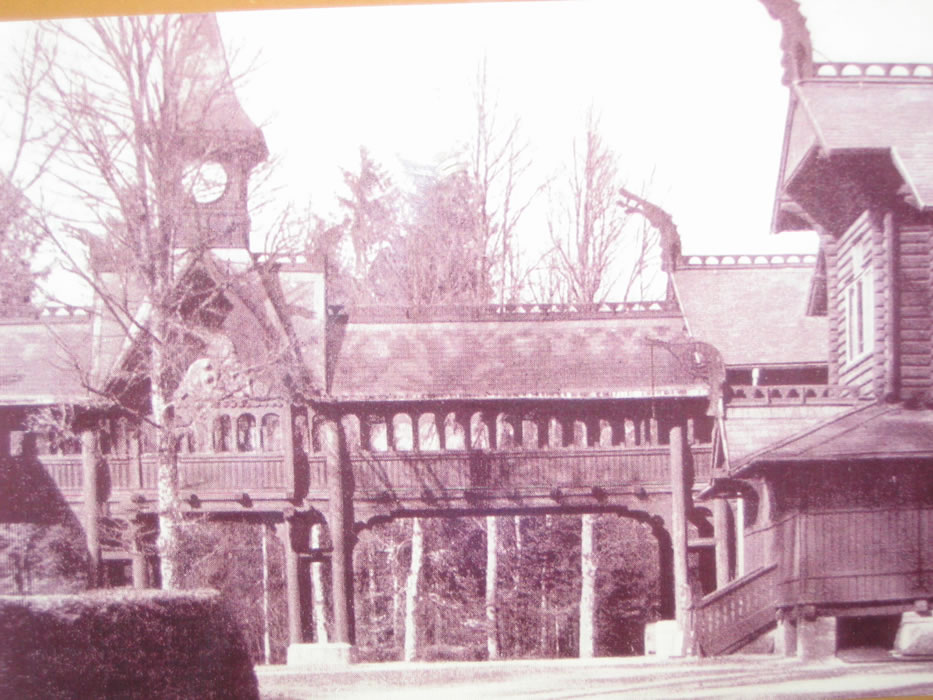
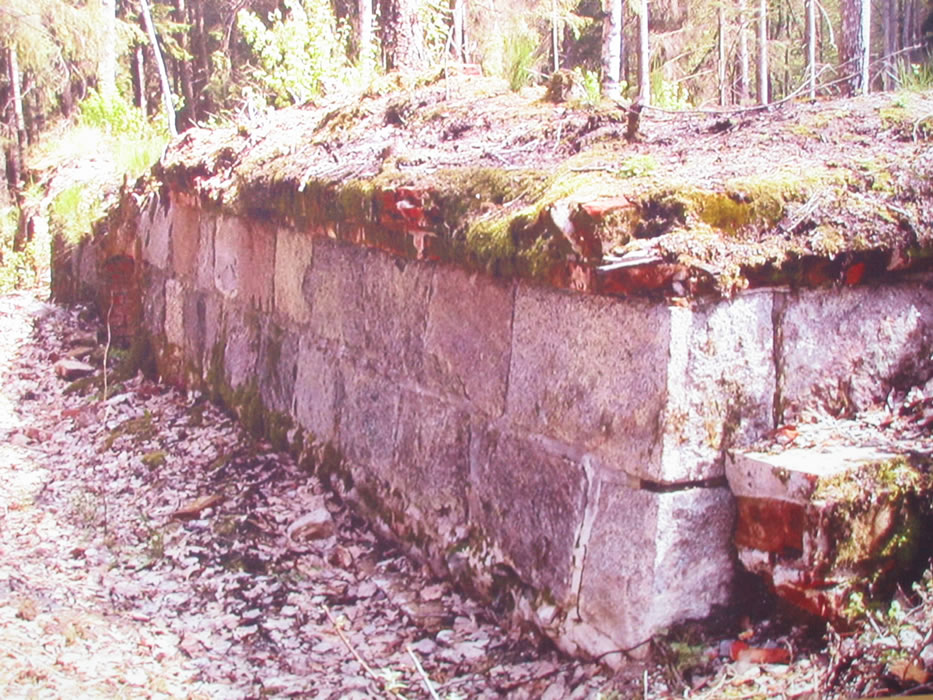
Remains of a former hunter's villa have survived in Rominta (Raduzhnoe) village, Rominta forest. Hunting has been practiced in the forest for a long time, a hunter's house was originally built here, and the German kaiser Wilhelm II, who visited the hunt in 1890, fell in love with the place and ordered the construction of a villa. The building materials were brought from Norway and built by Norwegian craftsmen. This villa was later purchased by Nazi German field marshal Hermann Goering, and in 1941 the German air force headquarters were located here. To this day, only the ruins of the former villa, the cellars connected to each other have survived, and the remains of the former boiler room are nearby. Now this object is in the border area and it is not possible to see it.