Cultural heritage objects and areas
Chernyachovsk (Įsrutis) district
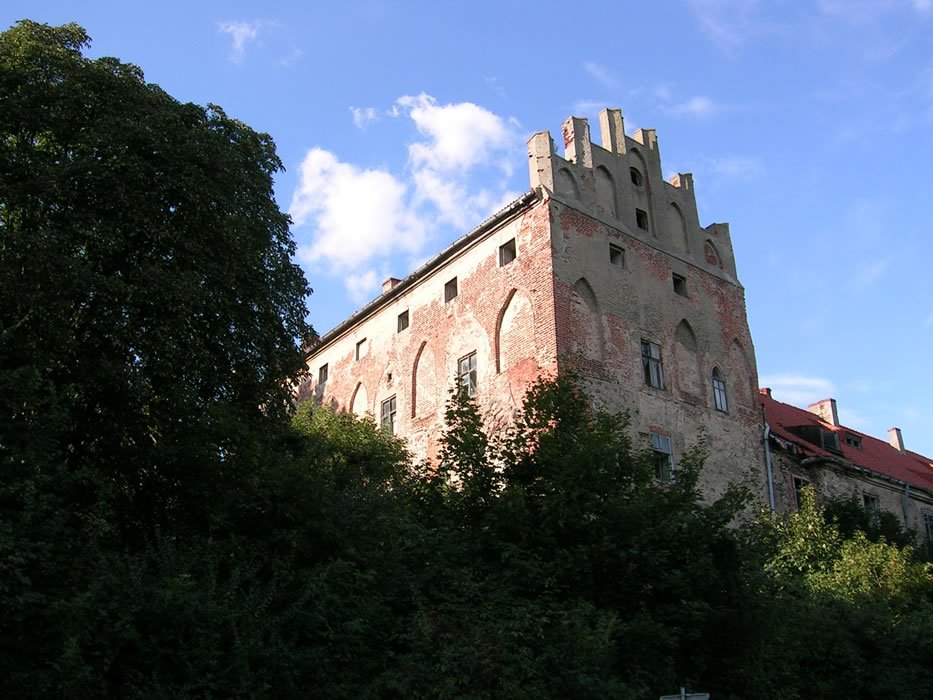
The castle of Insterburg (now Chernyachovsk)
(Zamkovaja st.1, Įsrutis)
The castle of Insterburg (now Chernyachovsk) was built in 1336 by order of Ditrich von Altenburg, master of the Teutonic order. It arose in the place where the Lithuanian / Nadruvian Unsatrapis castle stood. Initially it was a wooden fortress, and in 1380 it was rebuilt of stone and used as a point of resistance for the Order in the battles with Lithuania. To the northwest of the castle were two towers, in the north corner stood an octagonal tower. In 1457 the castle was destroyed, rebuilt after 1525. Over the centuries, the castle burned down more than once, but was constantly rebuilt. In 1881 it was turned into a barracks, and there was also a prison here. A regiment of Lithuanian ulons was deployed in the barracks. Until the end of the Second world war there was a museum of local lore in the castle citadel, in 1945 it was burned down again, and in the post-war period there was a dairy and a machine repair company. In 1960 the castle became a state-protected object and is now an object of cultural heritage of federal significance. Part of the former castle houses an art gallery, a museum, and restoration works are underway. Next to the castle in 1926 a monument was erected in memory of the "Friends of the Lithuanian ulon regiment", who died in First world war. It was demolished after Second world war and rebuilt in 2006.
Jurbarkas (Georgenburg, now Russian: Majovka village) castle
(Centralnaja st. 4, Majovka)
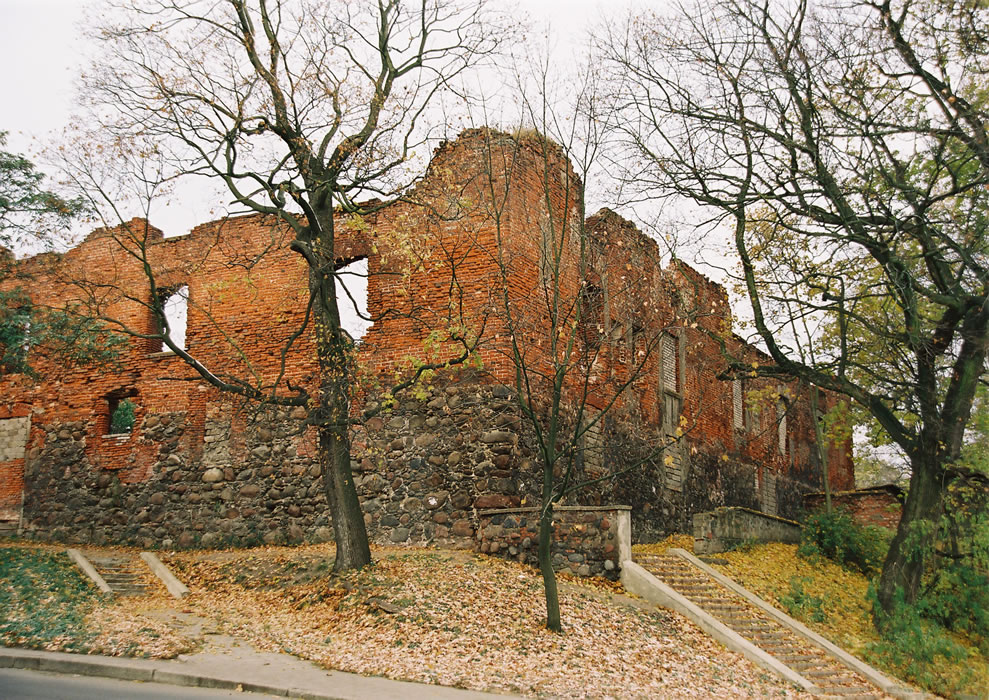
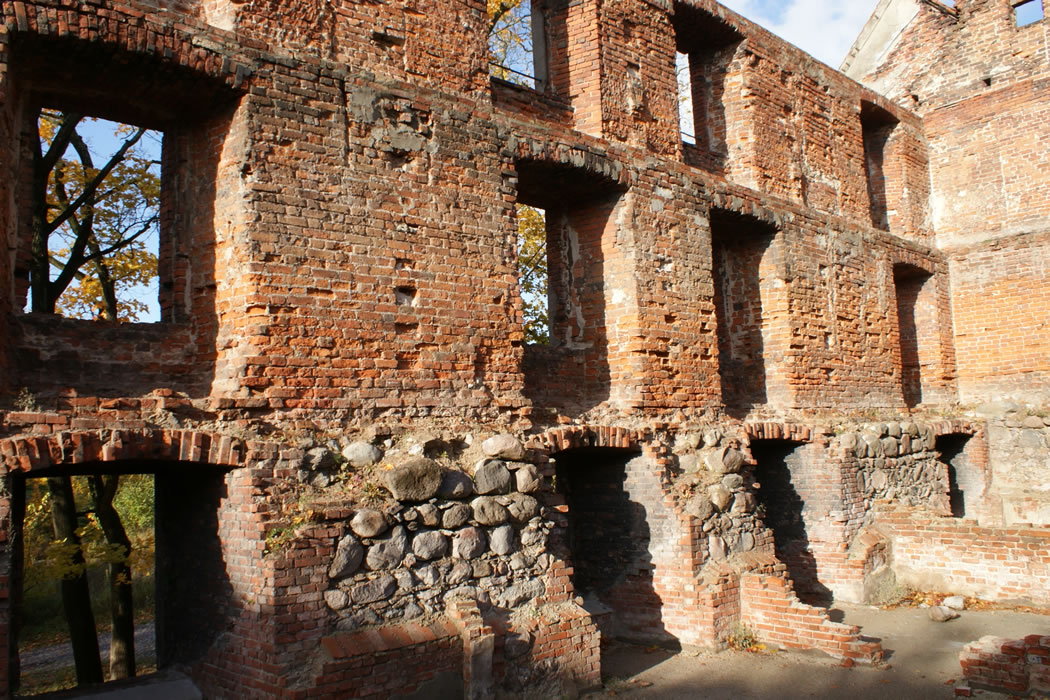
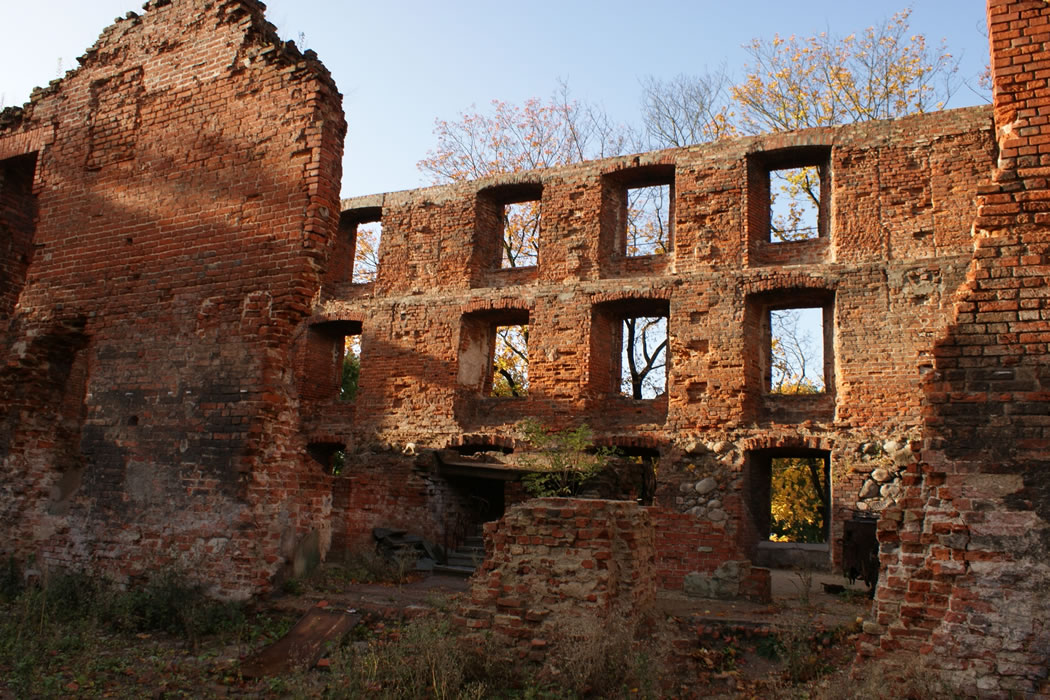
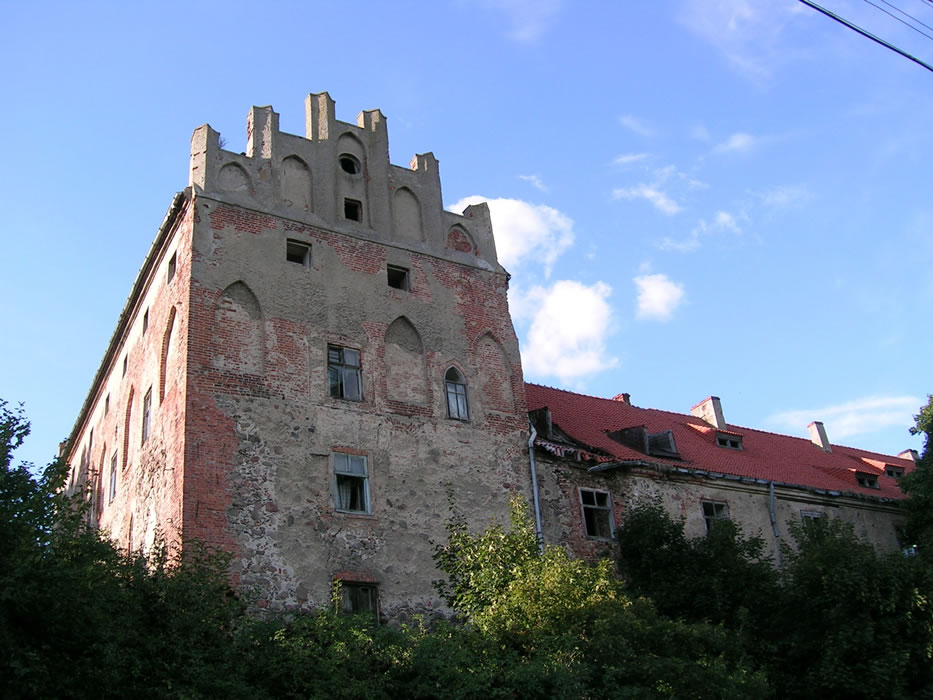
Jurbarkas (Georgenburg, now Russian: Majovka village) castle is the best preserved of all the former castles of the Karaliaučius region. It was built in 1337, soon burned down and rebuilt in 1385 from brick and stone. Until 1525 the castle belonged to Jacob, Bishop of Semba, and later passed to the Prussian administration. In 1828 the castle was bought by the merchant of Klaipėda Wilhelm von Simpson and he established a horse farm of the Traken breed here. In 1899 the state took over the castle with the manor and moved the region's stud farm from Įsrutis to Jurbarkas. The old castle was rebuilt and the stud farm was expanded. During the Second world war, a camp for prisoners and detainees was established here. Horses were raised again in the post-war buildings of the complex, and a stud farm is still operating here, but it was destroyed by a fire in 1996, when two buildings burned down. In 2007 the castle was included in the list of cultural heritage sites of regional significance, it belongs now to the Russian orthodox church.
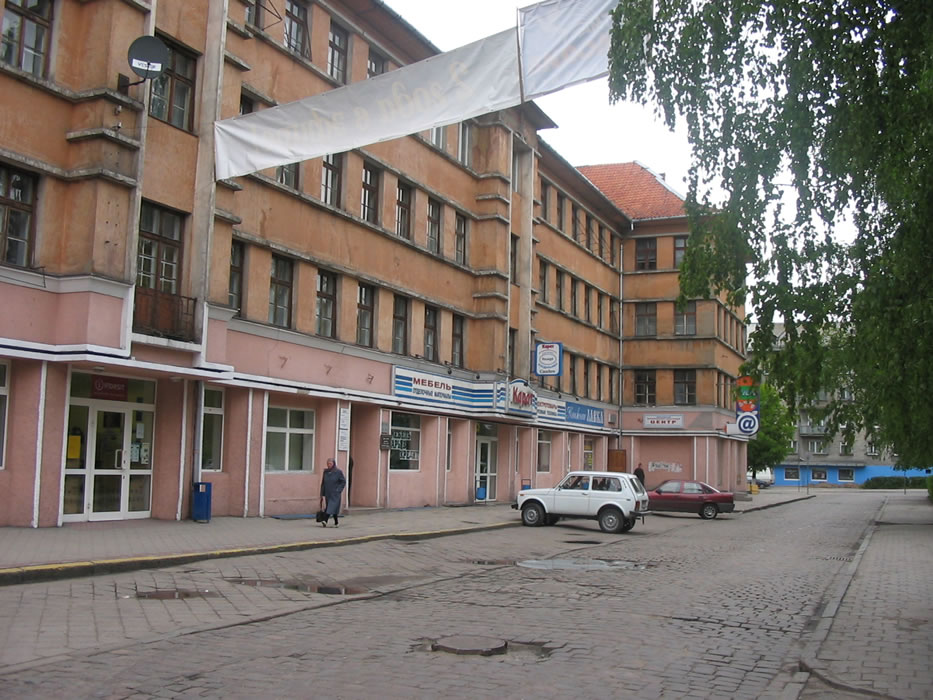
Town hall
(Kalinina st. 4, Chernyachovsk)
Town hall was built in 1927. It housed various local authorities, two large halls were used as galleries for exhibitions and a modern restaurant in the basement. After Second world war there was a hospital in the town hall building, and a library has recently been in this building, listed in the list of protected buildings.
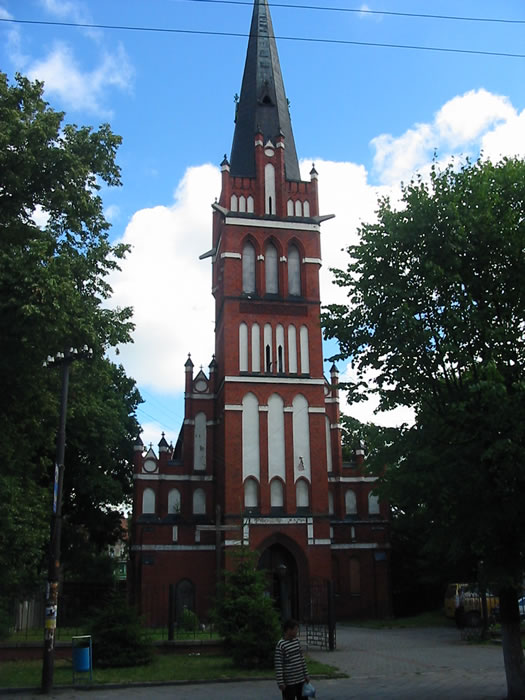
St. Bruno catholic church
(Lenina st. 15, Chernyachovsk)
The construction of the St. Bruno catholic church began in 1902 and was completed in 1904. It is a Gothic style red brick building with a high tower. Inside the church are fragments of two stained glass windows as well as a couple of famous paintings. During the Second world war a hospital operated here, and a military warehouse was established after the war. In 1993 the church was returned to the local Catholic community, restoration work began, an organ was installed in 2000, and in 2002 the church was consecrated. Worship services and church music concerts are now taking place here. In 2007 the church was granted the status of a cultural heritage object of regional significance.
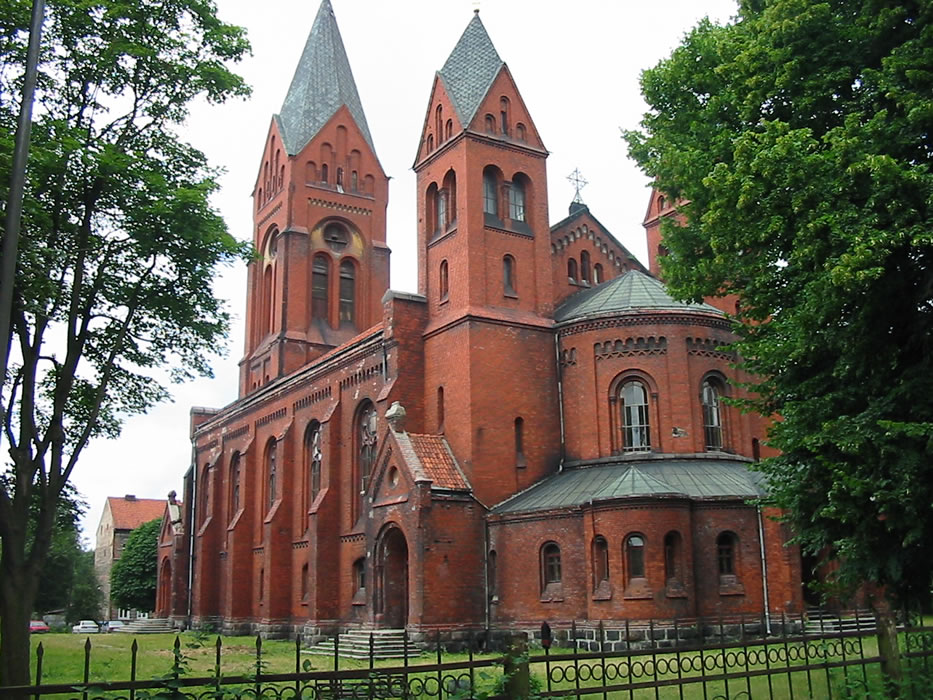
The former Reformats and Lutheran church
(Suvorova st. 20, Chernyachovsk)
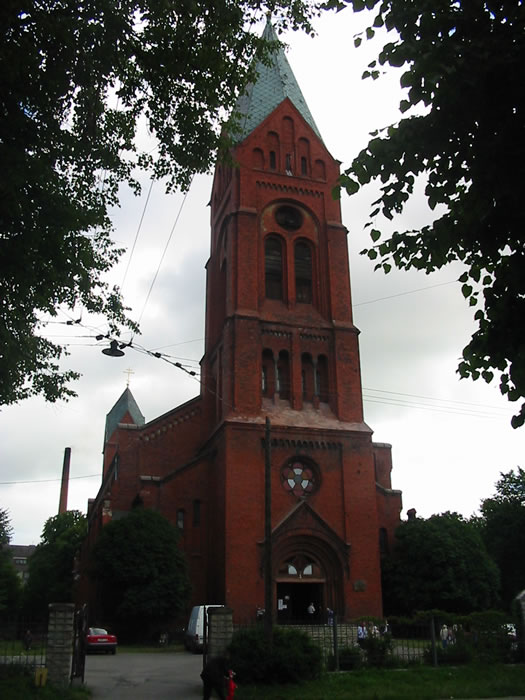
The former Reformats and Lutheran church was built in 1886-1890. It is a neo-romanesque style building, that was used as a local garrison prayer house and had four bells. The three-tower 60-meter-high red brick church was used as a dance and sports hall after Second world war. Significantly abandoned in 1989, it was handed over to the Orthodox community, and after restoration the church of St. Michael was established here. In 2007 the building was granted the status of a cultural heritage object of regional significance, since 2016 it has been a local cathedral and belongs to the metropolis of Kaliningrad.
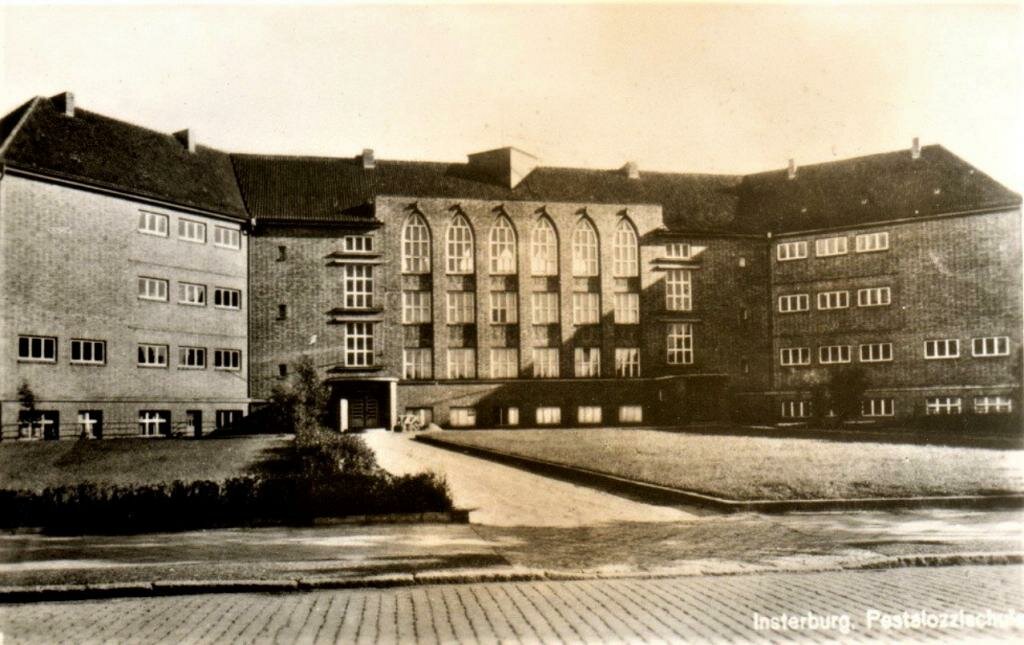
The building of Johann Pestaloci school
(Gagarina st. 26, Chernyachovsk)
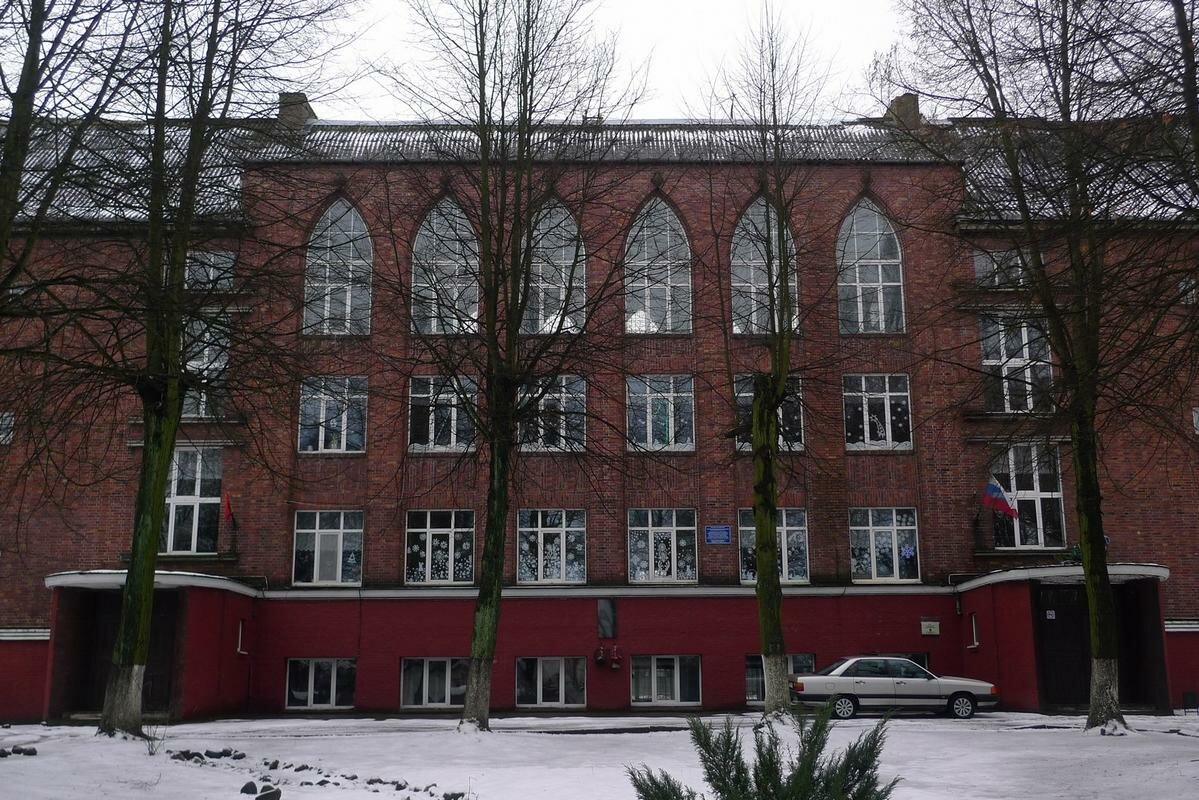
The building of Johann Pestaloci school opened its doors in 1827. In the 1840s, the world's first kindergarten was opened in this building. An Evangelic-Lutheran church was set up in the school assembly hall, where services were held. The school also had its own observatory on the roof. During Second world war the building was empty, and since 1945, a high school has been operating here again. In 2007 the building was included in the list of cultural objects of regional significance.
 Prussia39.ru
 Prussia39.ru
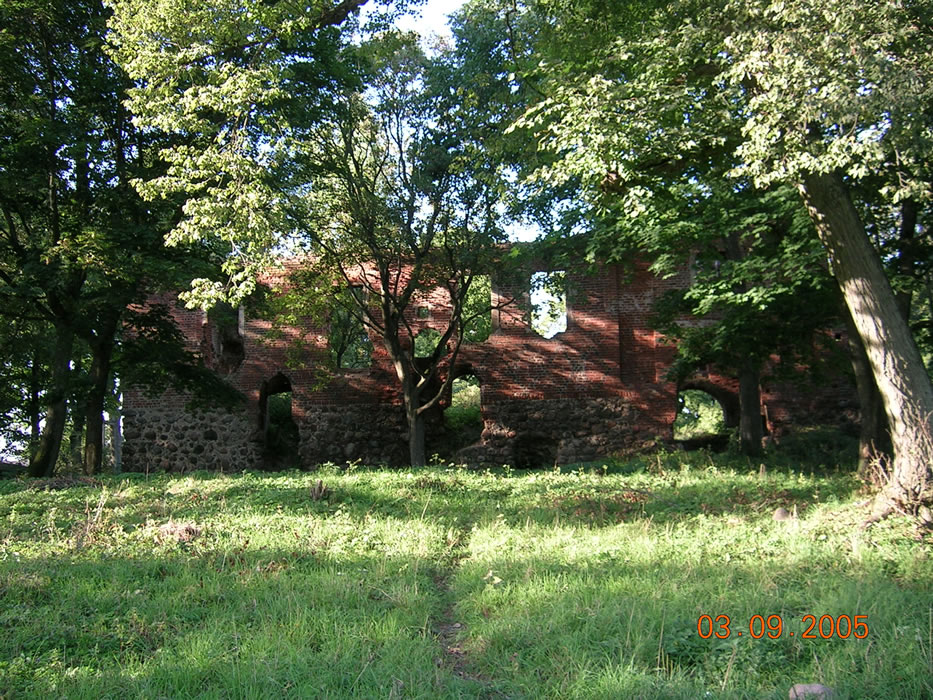
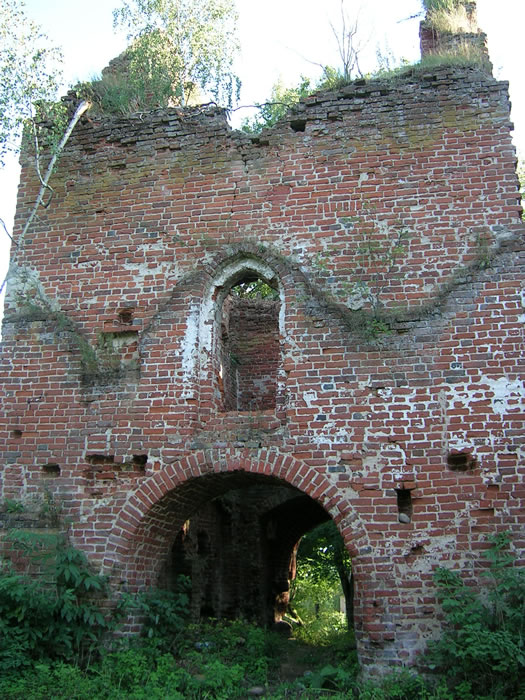
The ruins of the former castle
in Želva (now Kamenskoye)
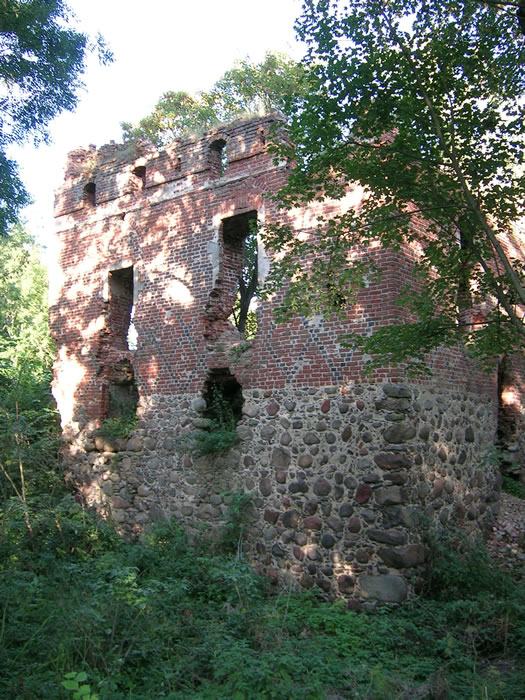
in Želva (now Kamenskoye) there are the ruins of the former castle. The construction of the medieval castle began in 1390 and was completed five years later. A fire in the XVI century devastated the castle, after which some buildings were demolished. From the XIX century, Želva castle became the property of the Prussian state. Remains of the walls of a former German order building have survived to the present day and became private property in 2000. It was planned to repair the castle and install a museum here, but this was not done. In 2007 the castle was included in the list of cultural heritage objects of regional significance.
House of I.Kant in Jučiai
(now Vesiolovka, Chernyachovsk district)
House of I.Kant in Jučiai is a former rectory, that has survived to this day in this village. The red brick building dates back to the early XVIII century. It is important, that Immanuel Kant taught here from 1746 to 1750. Later this building was demolished, another was built in its place. This house has been called the "House of I.Kant" since 1938, and a monument to the famous philosopher was erected in front of it, but it has not survived to this day. The building, which was collapsing in 2015, was granted the status of a cultural heritage object of regional significance, it was rebuilt in 2017-2018, a museum was established here, which belonged to Kaliningrad history and art museum, and since 2019 it is subordinated by Kaliningrad cathedral.
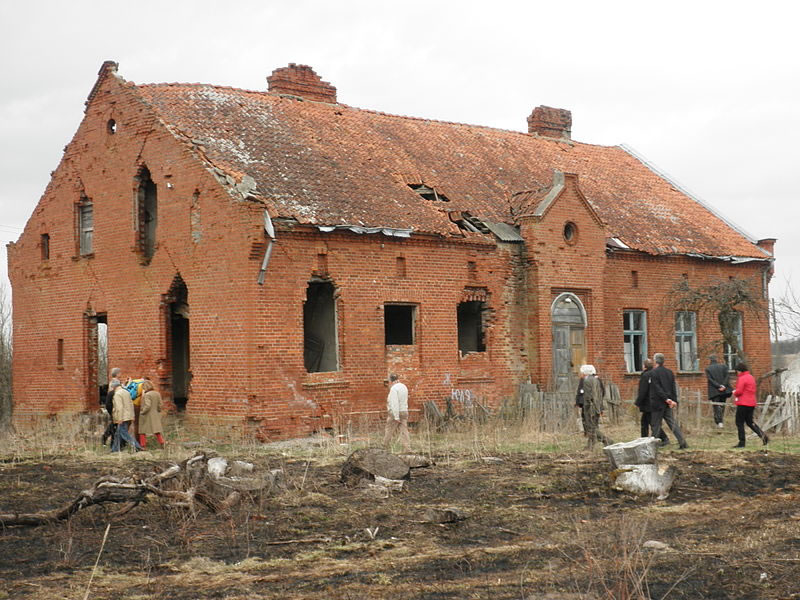 Former house of I. Kant before reconstruction
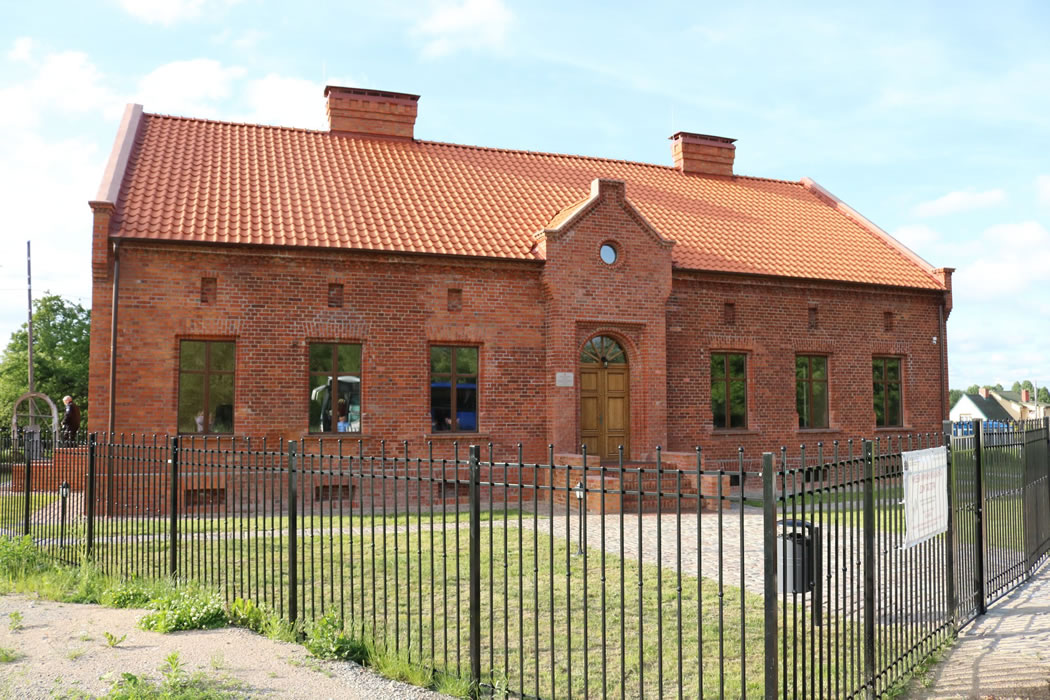 Former house of I. Kant today
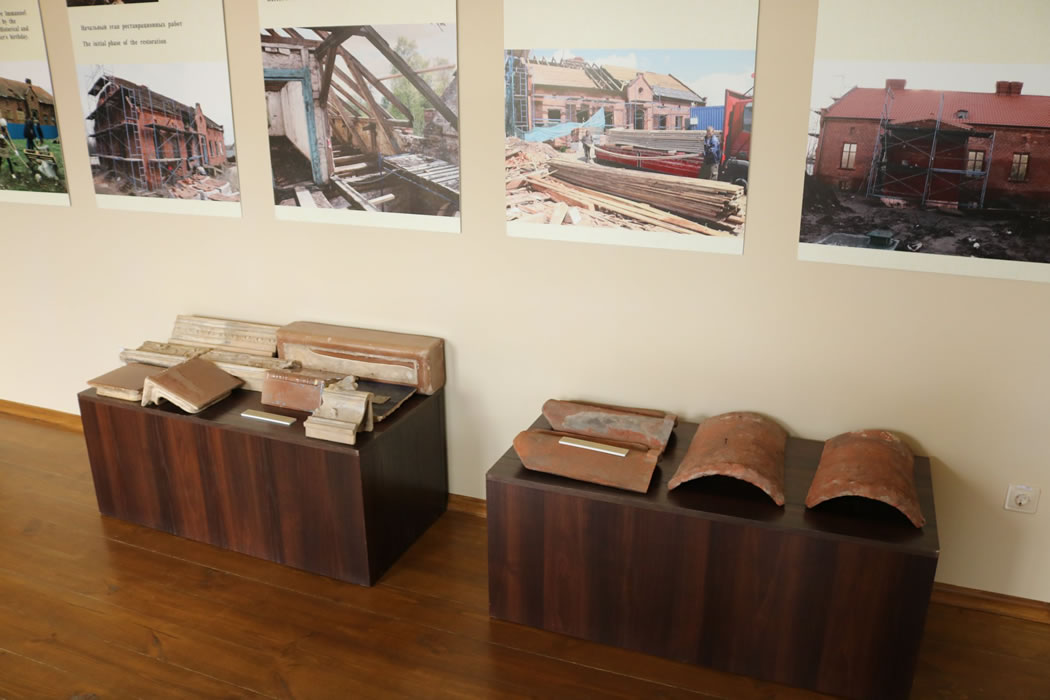 Exposition inside the house