Cultural heritage objects and areas
Neman (Ragainė) district
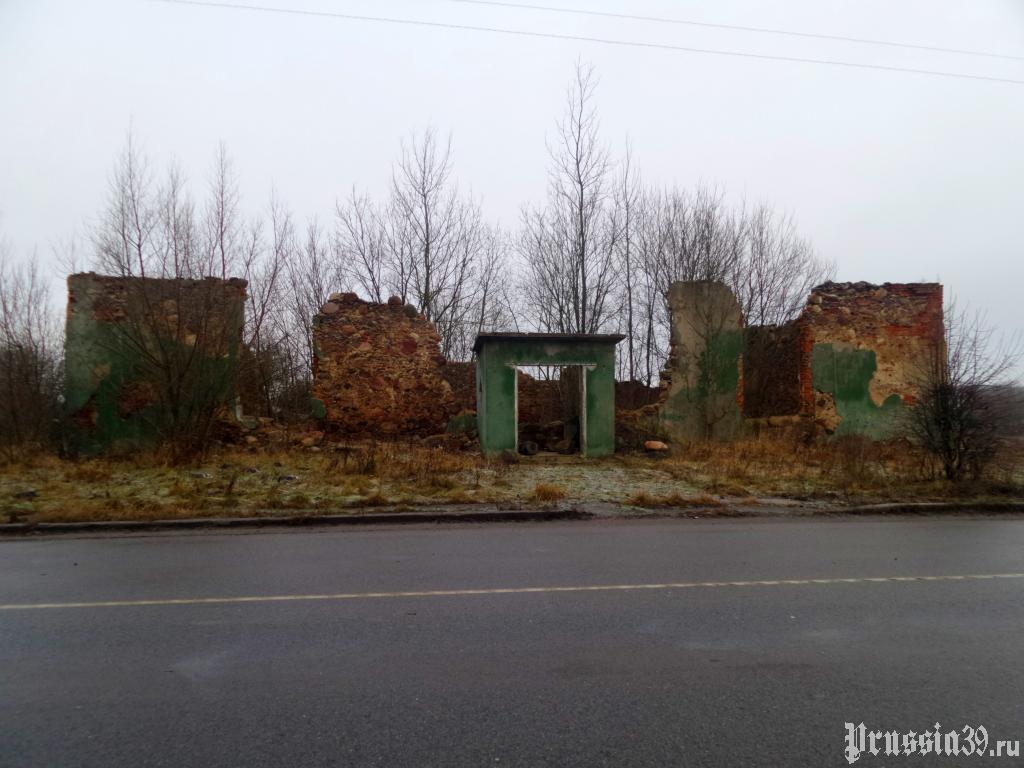
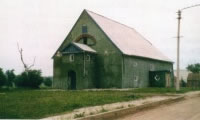
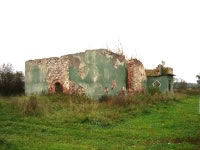
The old church of Ragainė
(Oktiabrskaja st. 9, Neman)
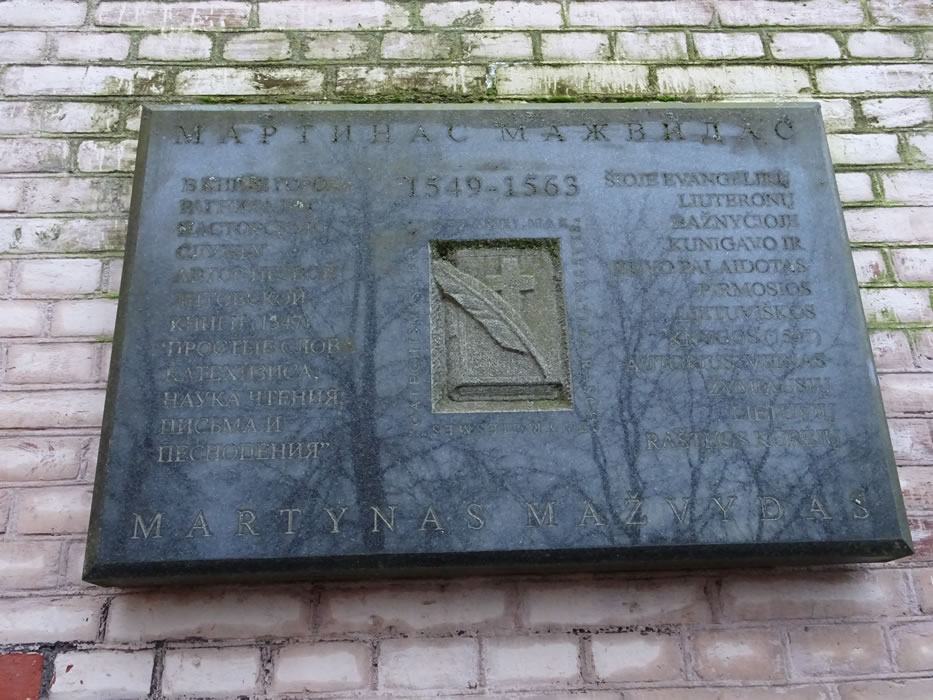
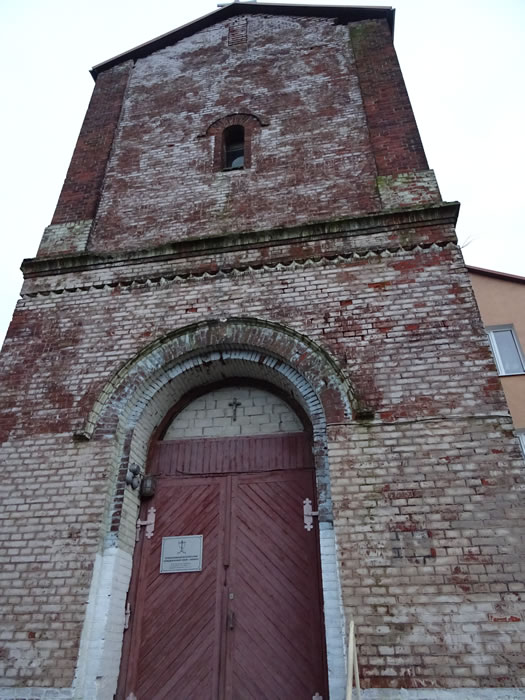
The old church of Ragainė was built in 1517. It is in Gothic style, built of stone. The priest of this church in 1549-1563 was Martynas Mažvydas, the author of the first Lithuanian book “Catechism”. A memorial plaque is attached to the wall of the former church tower to commemorate him. It is believed, that M. Mažvydas was buried under the floor in the church in the custom of that time. After M.Mažvydas other Lithuanian priests also priested in this church. This church was destroyed by the armies of the Russian empire in 1757 and rebuilt in 1771, and in 1853 a 35-meter-high tower was erected next to it. After Second world war, it suffered again, in 1967-1968 it was adapted for a residential house. After the Revival, the Lithuanian community and library of Neman operated in the premises of this building for several years. There is now a dormitory, a shop, Catholic and white Orthodox chapels.
Ragainė castle
(Pobiedy st. 47, Neman)
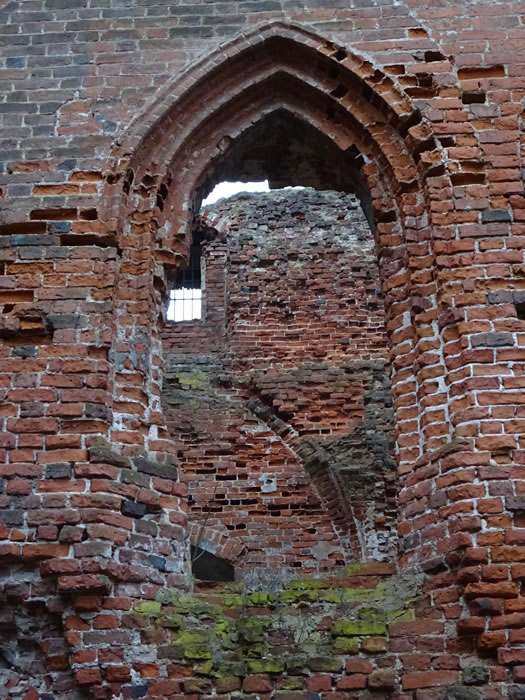
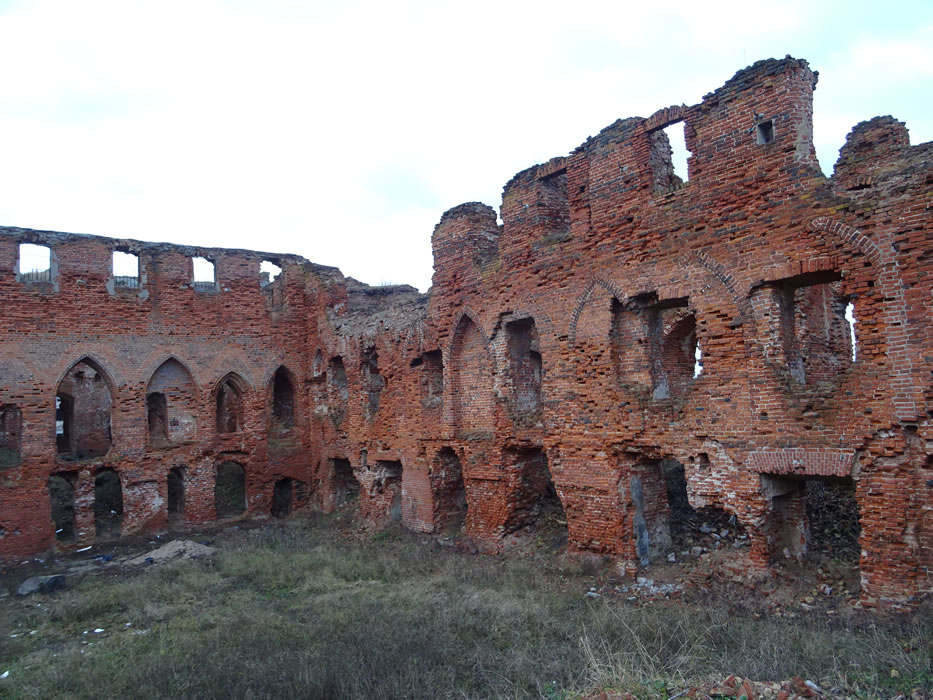
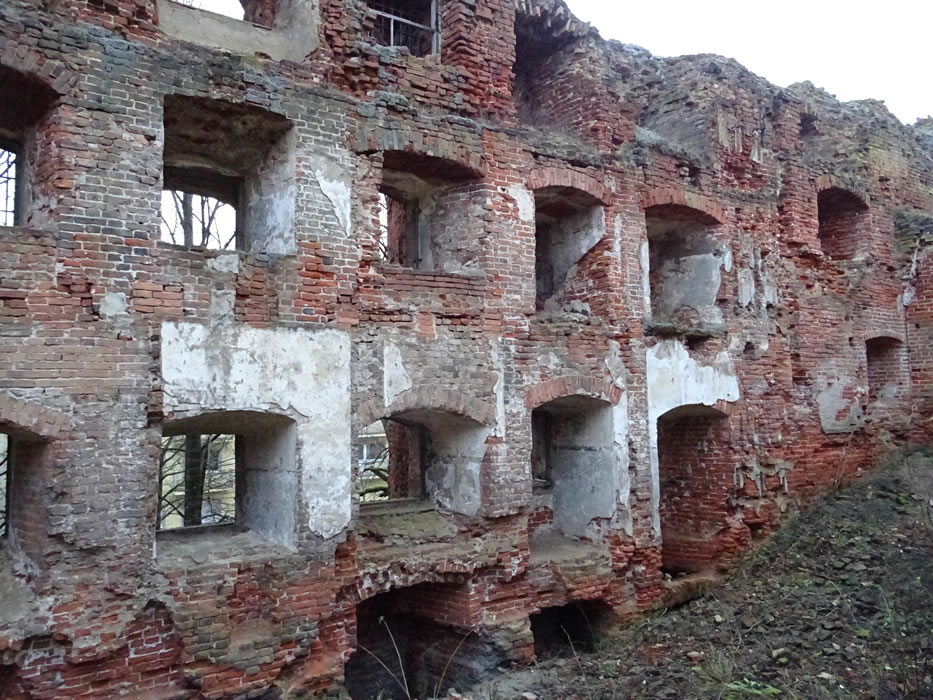
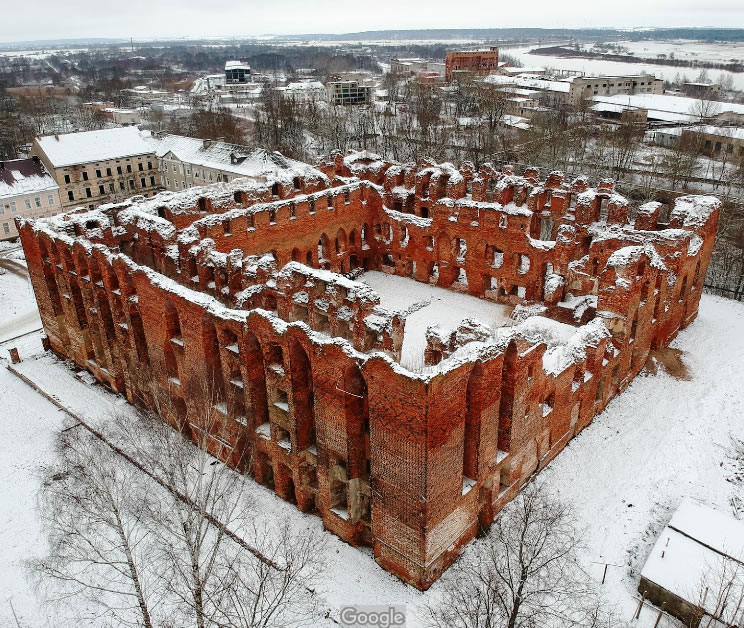
Ragainė - the old castle of skaluviai was built on the high bank of the Nemunas, about 2 km from the current city center. Archaeological finds suggest, that people have lived here since the Stone age. The castle was destroyed several times, and in 1355 the Crusaders built a new stone castle, which was completed in 1409. The castle was hit by the Swedes in 1678 and burned down several times. When it was repaired, a court and a prison were established here in 1840, and from 1879 an administrative court operated. It was severely destroyed during Second world war, and in 1976 it was almost completely destroyed, when filming here. In 2007 the castle received the status of a cultural heritage site of regional significance, in 2010 its ruins were taken over by the Russian orthodox church, and in 2019 the owner of a local cheese factory leased it for a long period and undertook the reconstruction of the castle.
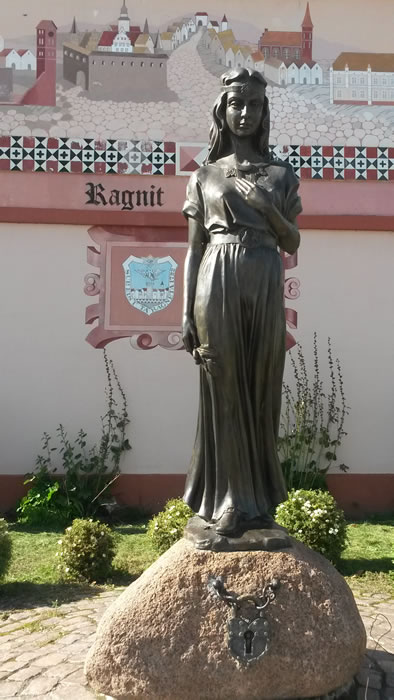
Monument to Raganita
(Pobedy st., Neman)
Monument to Raganita - a bronze sculpture of the Lithuanian prince of skalviai Raganita in Neman was erected in the central square in 2012 to commemorate Neman town day. It was from Raganita's name that Ragainė's name came from. The project of the monument was created by the staff of Neman cultural house and the sculpture was made by a master from Noihausen (Gurjevsk). Its height is more than two meters, its weight reaches 300 kilograms. In front of the sculpture there is a bronze lock and a key built into the ground.
Būdviečiai (now Malomozhaiskoe)
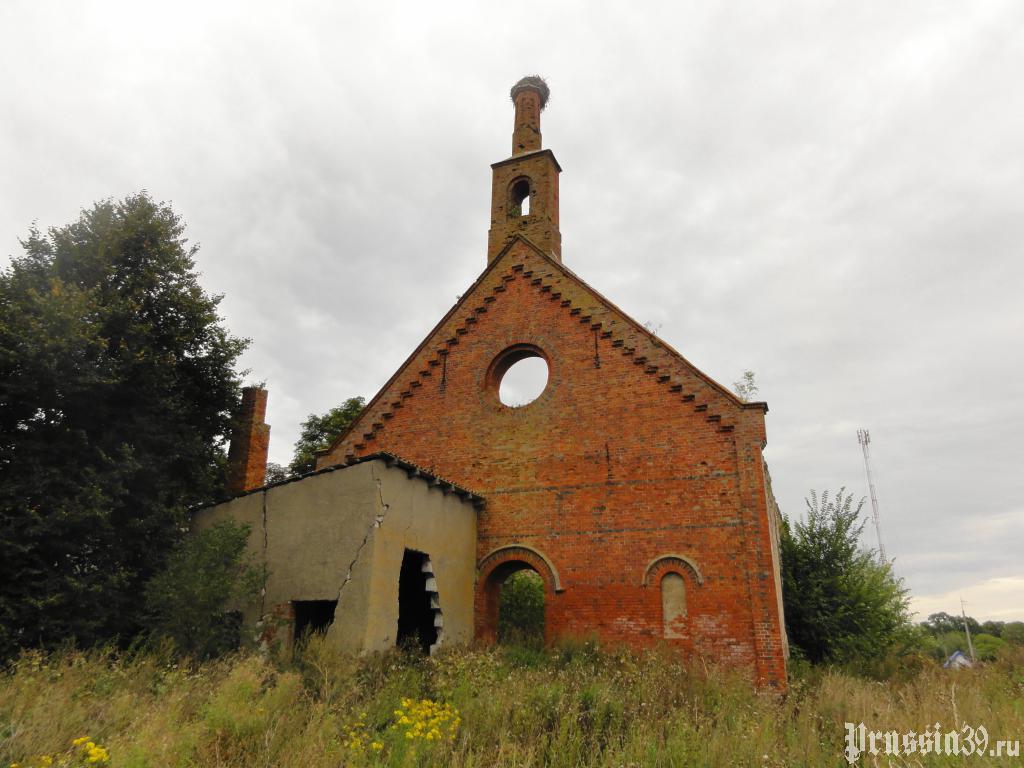
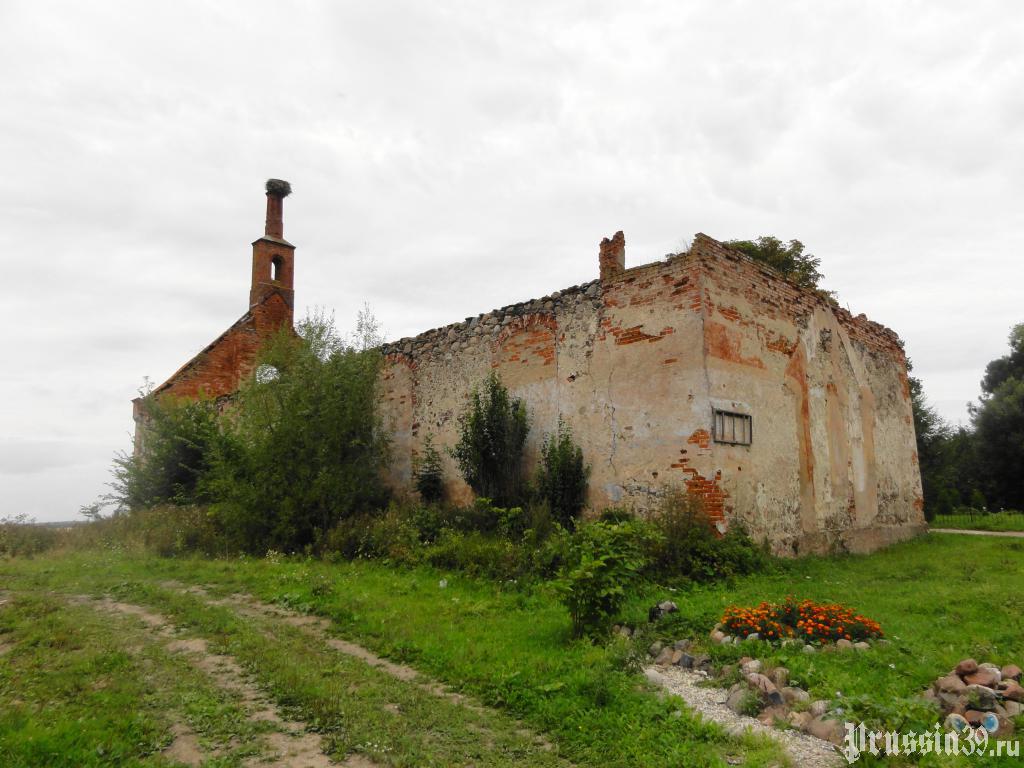
Būdviečiai (now Malomozhaiskoe) - they became famous here, when in 1665–1691 a priest Theodor Lepner worked here, in 1701–1750 - Friedrichas Zigmantas Schuster, in 1778–1821 - precursor, priest, poet, folklorist Kristupas Danielius Hasenstein, in 1827–1846 Nathaniel Friedrich Ostermeier also worked here. In 1665 a Lithuanian Evangelical Lutheran parish was established in Būdviečiai and a church was built; in its place in 1782 - the second, which in 1951 was turned into a house of culture and in 1995 burned. In Būdviečiai until 1709–1711 great plague and famine almost all the inhabitants were Lithuanians. In 1989 according to the data about 30% of the population were Lithuanians. In 1991 the faculty of the Lithuanian language and ethnoculture was established in the secondary school.
 Prussia39.ru
 Prussia39.ru
Lenkviečiai (now Lunino)
Lenkviečiai (now Lunino) – here in 1735 Evangelical Lutheran Church was built, in 1741 a parish was founded, a parish school was opened, and in 1858 the church was equipped with an organ. It was a village of provinces of the Kingdom of Prussia, East Prussia in 1818-1871, a village of German Empire in 1871-1917. In 1918-1933 – village of Republic of Weimar, in 1933–1945 - village of Ragainė county (in 1922–1945 - Tilžė-Ragainė county) of Gumbinė district of the Third Reich. In the church, rebuilt after the Second world war in 1951 was opened house of culture, in 2002 it burned. After the war, the cemetery was destroyed, the manor house was demolished, other old buildings remained, and the rest were abandoned. In 1741–1745 Kristijonas Luneburgas was a priest in Lenkviečiai, in 1884–1888 T. G. Štrukas, the future superintendent of the Šilokarčema ecclesiastical area worked as a publisher of Lithuanian books. In 1888–1898 L. A. Tylis, the future superintendent of the church district of Šilokarčema and Tilžė worked, from 1859 A. Pauliūnas, a graduate of the Queen's Teachers' Seminary precedent at the school. In the 60s of XIX century Georg Kerner, an author of innovative Lithuanian elementary school book, published in 1882, worked at the school and in 1854 there was born writer, author of the East Prussian anthem Johana Ambrozius.