Cultural heritage objects and areas
Gusev (Gumbinė) district
History and local lore museum
(Moskovskaja st. 36a, Gusev)
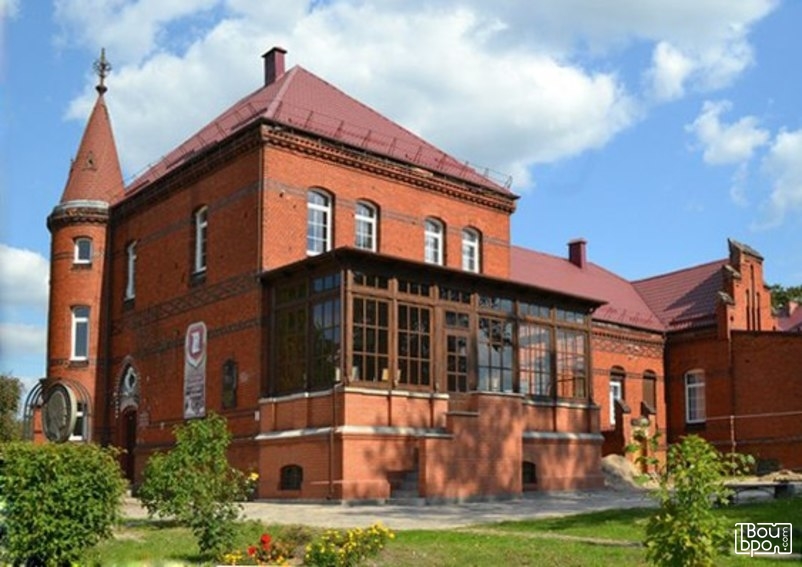
History and local lore museum is located in former barracks of dragoon and ulon regiments. The museum has a collection of archeology, an exposition of the country's pre-war history, historical material from the First and Second world wars and an exhibition hall. This museum was established in 2009 in the former barracks of the dragoon and ulon regiment, built in the XIX century and belonging to the building complex of the 11th Dragoon regiment from the end of the XIX century to the beginning of the XX century. This building has belonged to the 8th Dragoon regiment since 1902, it housed an officers' casino, and after the end of the First world war there was a police unit, a finance board, and after the Second world war - an orphanage and a boarding school no. 9.
The administration building of the former Lithuanian province
(Lenino ave. 21, Gusev)
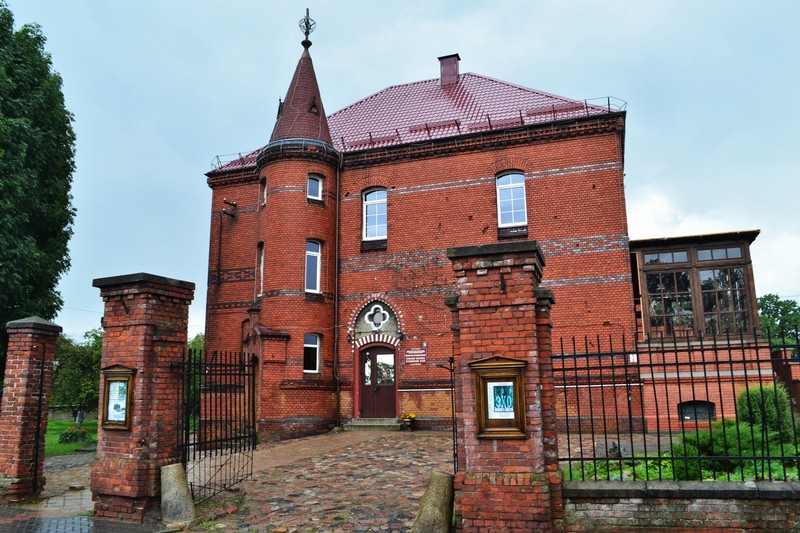
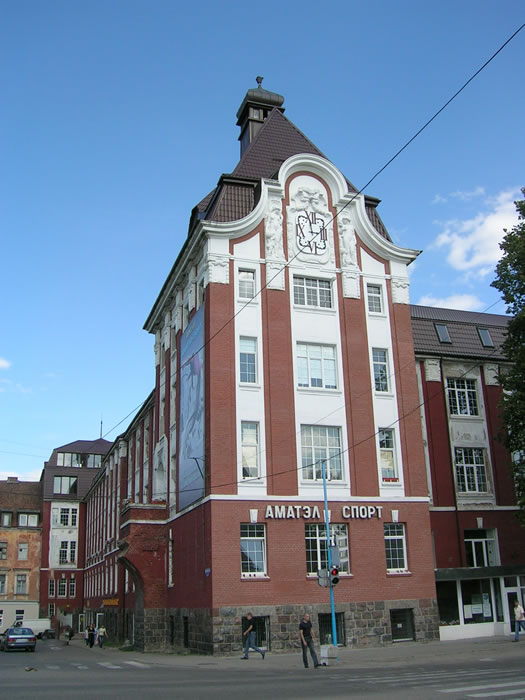
The administration building of the former Lithuanian province, later the Gumbinė department, located in the central square, is an example of baroque architecture. The building decorated the square after reconstruction around 1911. It’s tower was adorned with a heraldic eagle and a sculpture, depicting two women with a cupid at his feet - one depicted industry, the other - agriculture. The building was decorated with picturesque facades, grey granite plinth, beautiful cornice. In 2002 the building was reconstructed and a clock was installed instead of the city coat of arms. Several institutions are now located in the building.
The former building of the Credit union
(L.Tolstoy st.2, Gusev)
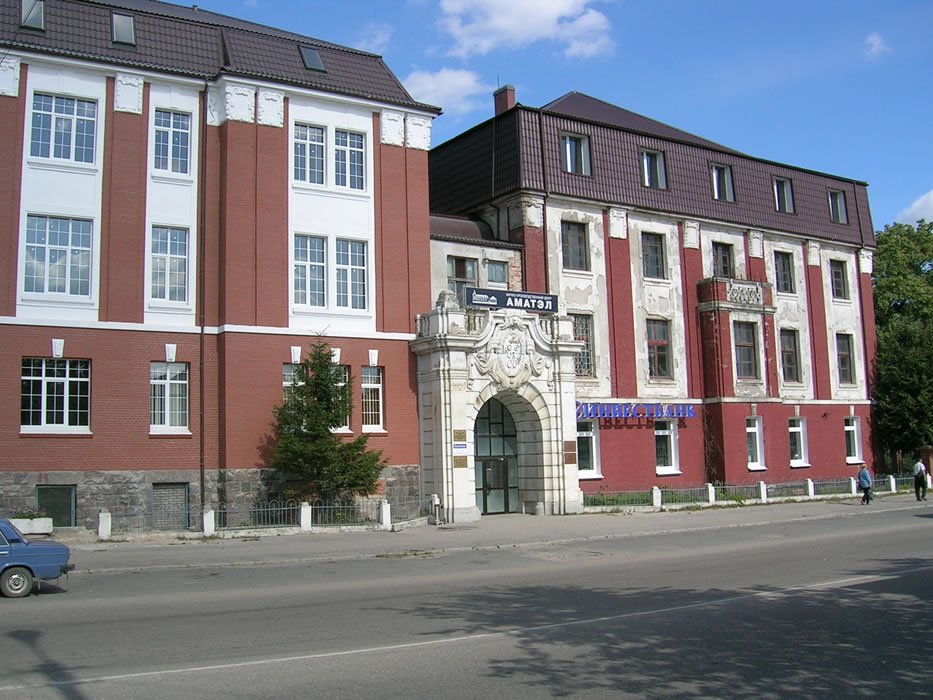
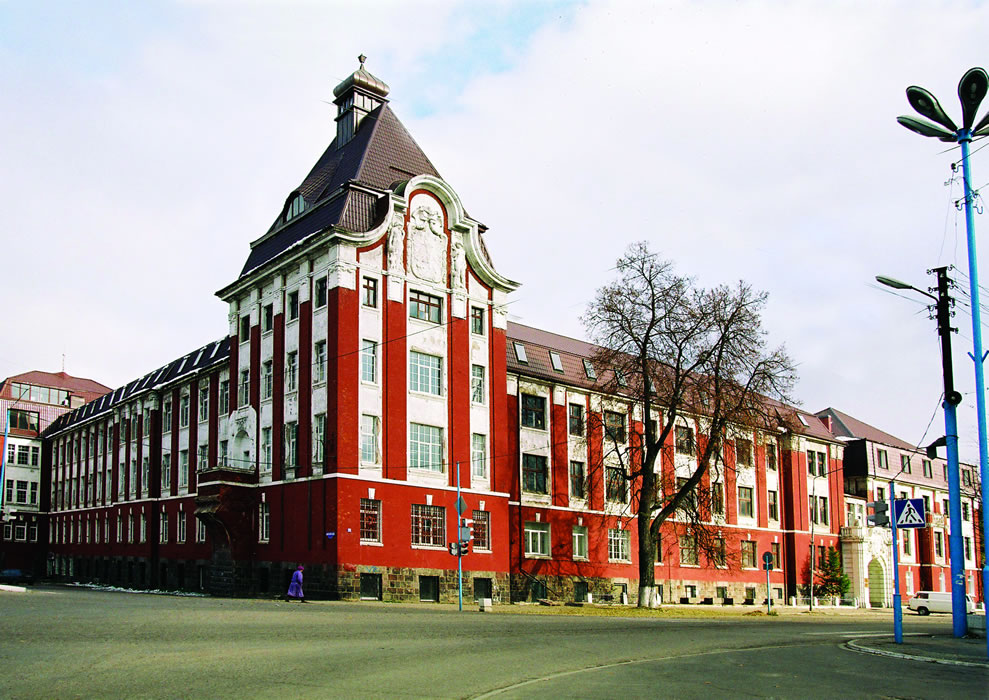
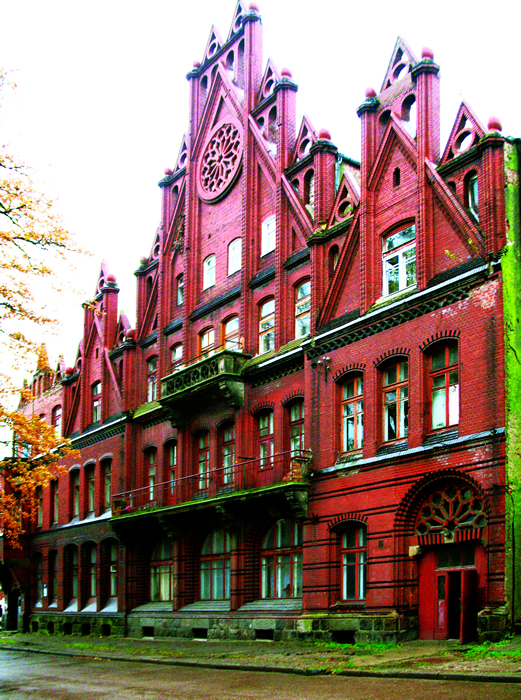
The former building of the Credit union is also included in the list of cultural and architectural monuments and is an example of European architecture of the beginning of the XX century. The area of three-storey building is almost 1,5 thousand square meters. The house was built like a bank, it has a stone block plinth, many decorative elements, beautiful balconies, the building is decorated with rosettes with gothic elements. The northern part of the building was completed in 1900, the rest - in 1909. During the Second world war the wooden parts of the building burned down, and in the 1960s it was left without a roof. Later, the building housed an armature factory, post office, other organizations, and it was repaired.
Monument to Kristijonas Donelaitis
The monument to the poet was made with the funds of the Republic of Lithuania and was unveiled in Gusev in September 2004, he was made by Nikolay Tishchenko and Vitaly Chvaley. The square around the monument was arranged with the funds of the city administration.
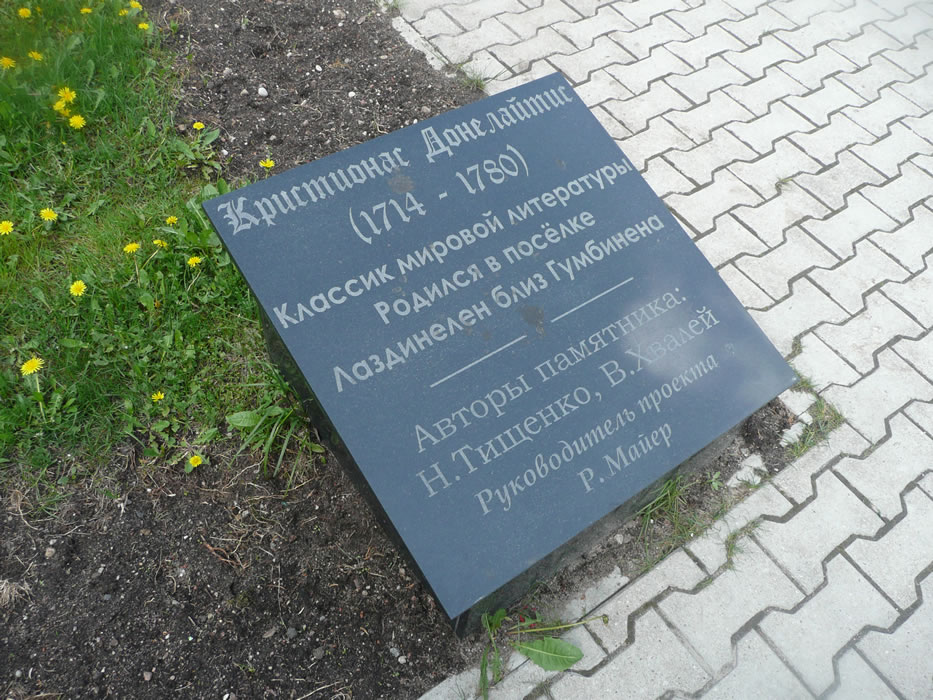 Memorial plaque at the K.Donelaitis monument
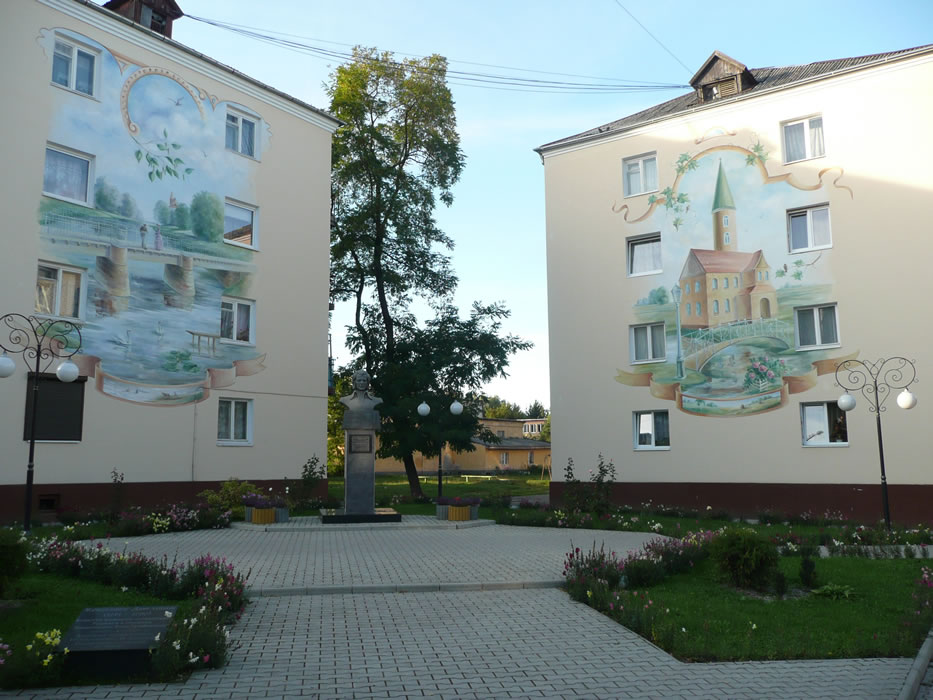 Monument to K.Donelaitis in Gusev
Gumbinė / Gumbinnen / Gusev Churchs
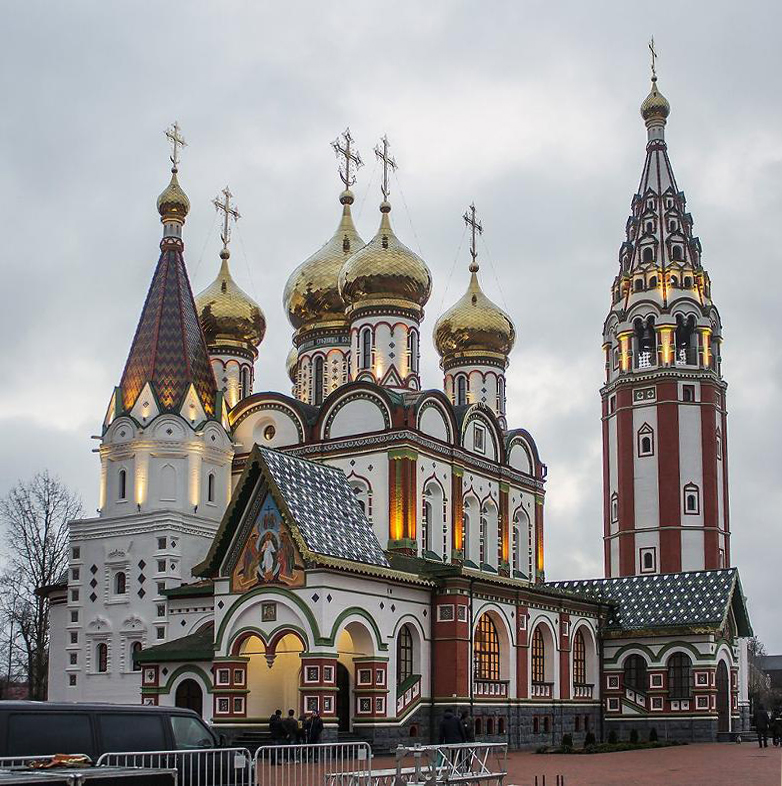
The first church in Gumbinė (ger. Gumbinnen) was built in 1545, where the classic of Lithuanian literature Kristijonas Donelaitis was baptized in 1714. The church was expanded in 1720, and in 1811 it became a three naves church. After Second world war it was turned into a warehouse and completely demolished in 1958. The house of prayer now in the town was built in 1899 - until 1945 it was the home of evangelical prayer. After the war, a school gym was set up here, and in 1989 it was handed over to local Orthodox. Its repair works have been carried out, a bell tower has been built, the interior has been renewed, and services have been held here since 1999. Construction of the Orthodox Church of All Saints in Gusev began in 2010, and its (cathedral) consecration began in 2016.
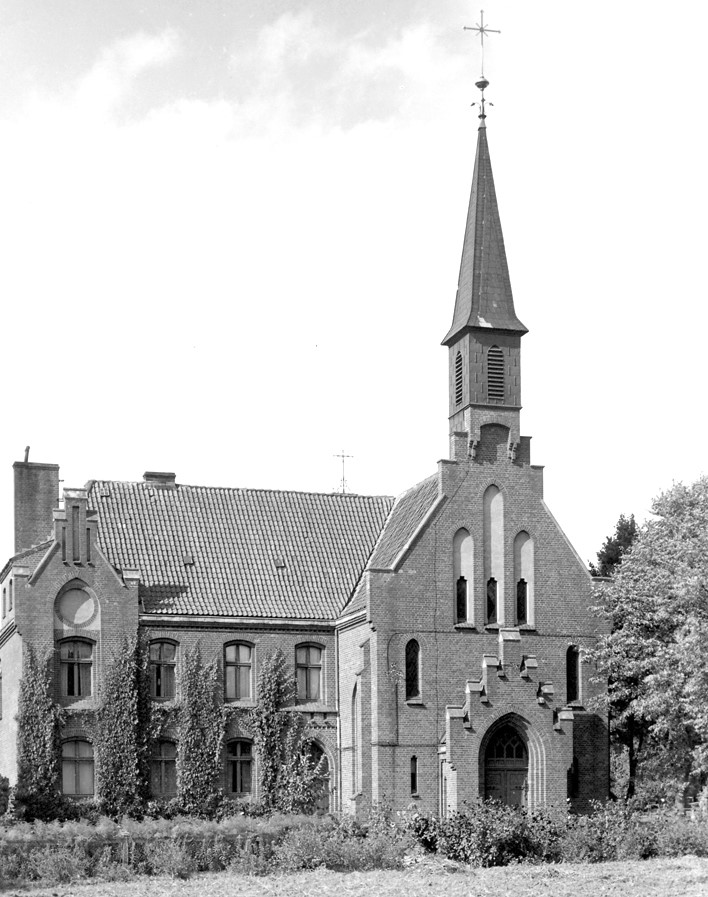
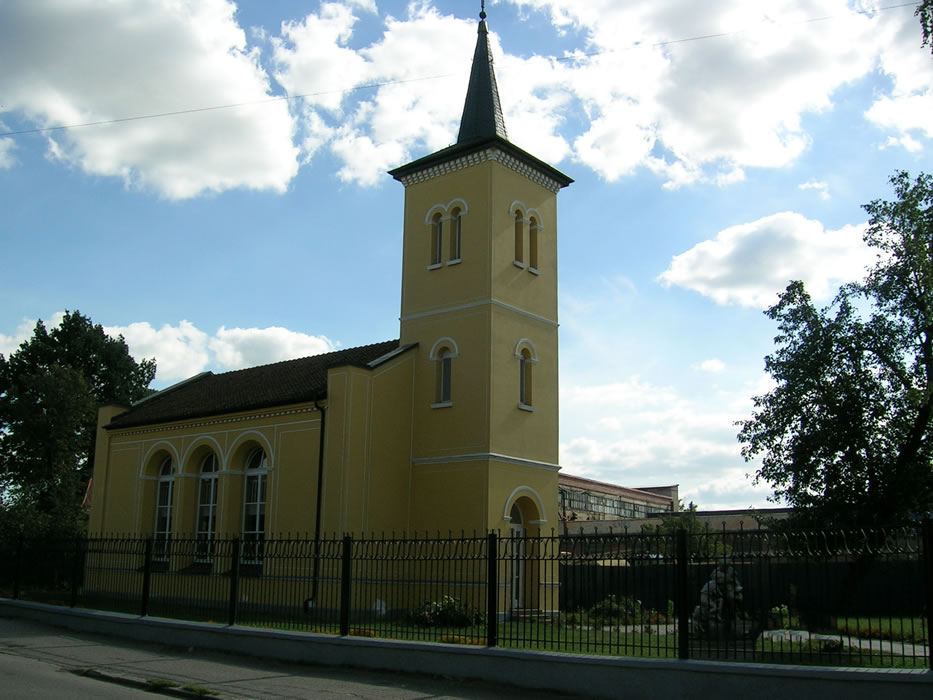
The Salzburg church
(Mendelejevo st. 136, Gusev)
The Salzburg church originated in Gumbinė in 1754. Around the middle of the XVIII century several thousand people from Prussia, Austria (Salzburg region) and Switzerland were brought to the region of Karaliaučius. Construction of a church soon began for them. It was decorated with stained glass windows, depicting their rise to Minor Lithuania. It was rebuilt many times, after Second world war it was almost destroyed and not used. In 1994, with the efforts and funds of the Austrian and German Lutheran communities its reconstruction began, which was completed in 1995 - the church was consecrated and again became a place of worship for the local Evangelical Lutheran community. Worship services are held in Russian and German, and choral music concerts are held here.
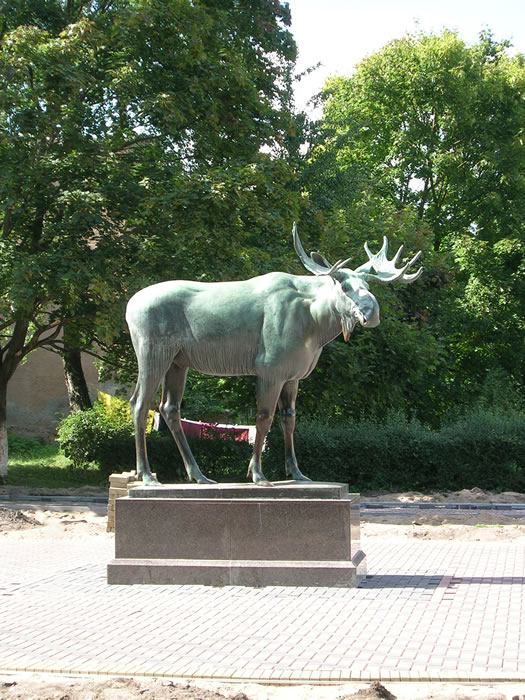
Sculpture of an elk
(Krasnoarmejskaja st.4, Gusev)
The symbol of Gumbinė (Gusev) is a bronze sculpture of an elk. Its author is the German sculptor Ludwig Fordermayer. The sculpture was cast in Potsdam, Germany, in 1910 and in 1912 it was solemnly unveiled in Gumbinė square. After the Second world war, the sculpture of a elk was taken to the Kaliningrad Zoo, where it stood until 1991. Thanks to the efforts of the local authorities it was returned to the city centre and placed in the square next to the “Mir” cinema.
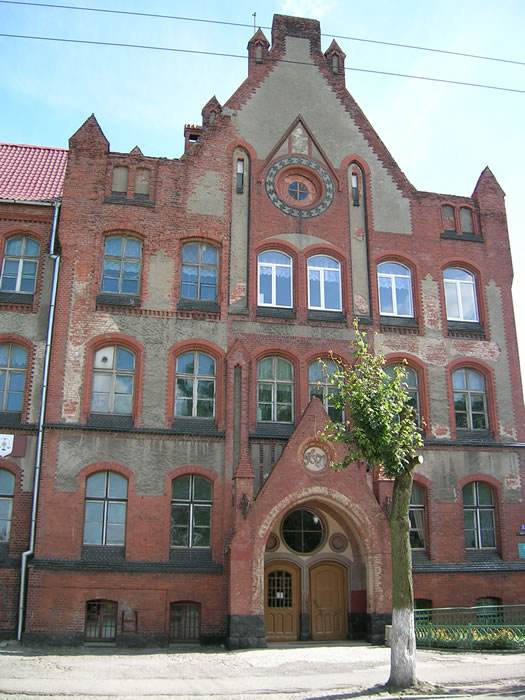
The neo-Gothic style building
(Krasnoarmejskaja st.4 Gusev)
The neo-Gothic style building, where agricultural technical school now is working, was built in 1903. Until the beginning of the Second world war there was a high girls' gymnasium. The 9-meter-wide and 12-meter-long fresco "The King of Prussia welcomes the displaced", created in 1913 by the German artist Otto Chaichert, has survived in the assembly hall of this palace.
The residential house on Moskovskaya Street
(Moskovskaja st. 38, Gusev)
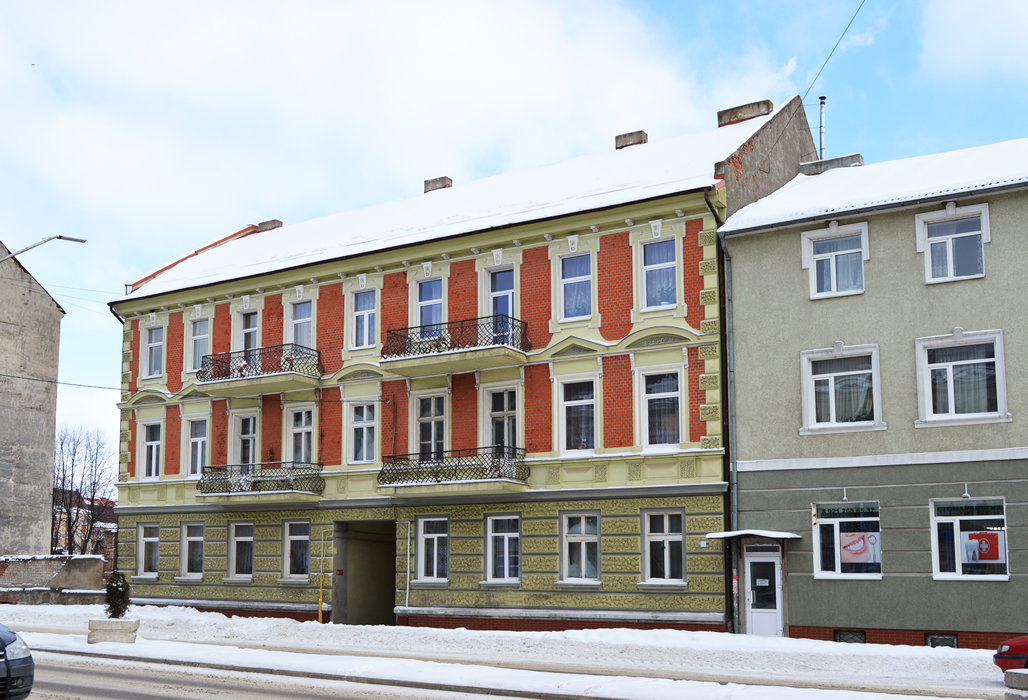
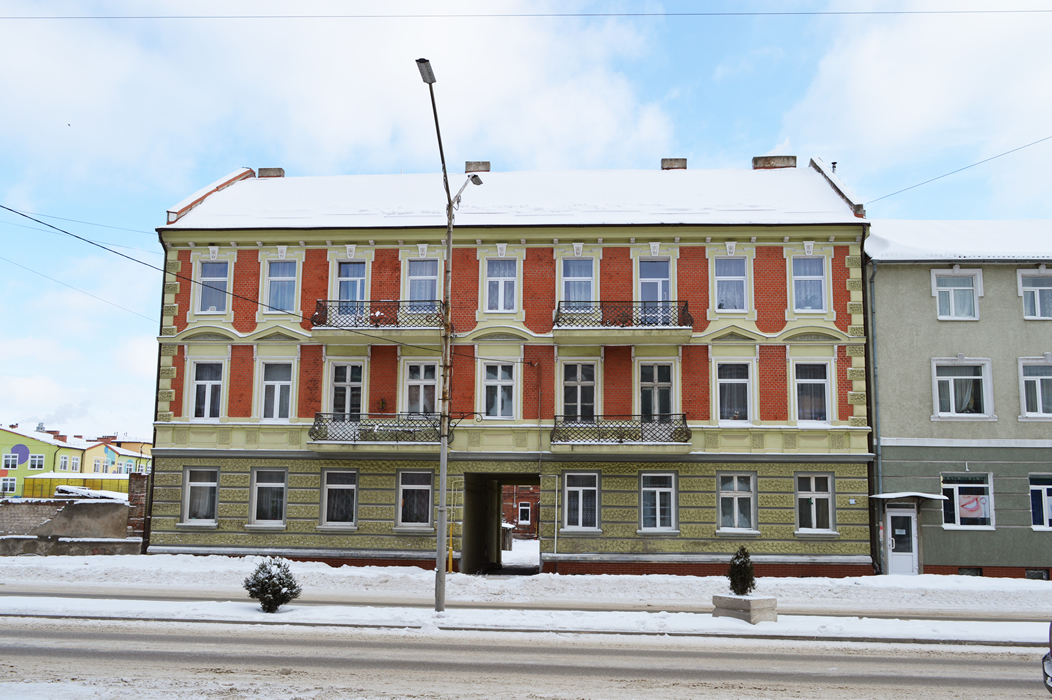
The residential house on Moskovskaya Street is an example of late XIX century European architecture, considered an object of cultural heritage. The three-storey house with an area of about 760 square meters is interesting with its balconies with minted grilles, it has a number of decorative elements - sculpture, bas-reliefs and ornate ornaments. At the end of the XIX century, when a large number of specialists from Germany were brought to Gumbinė, a total of about 20 residential houses of various architectures were built for them.
The birthplace of the Lithuanian literary classic Kristijonas Donelaitis
(Lazdynėliai village)
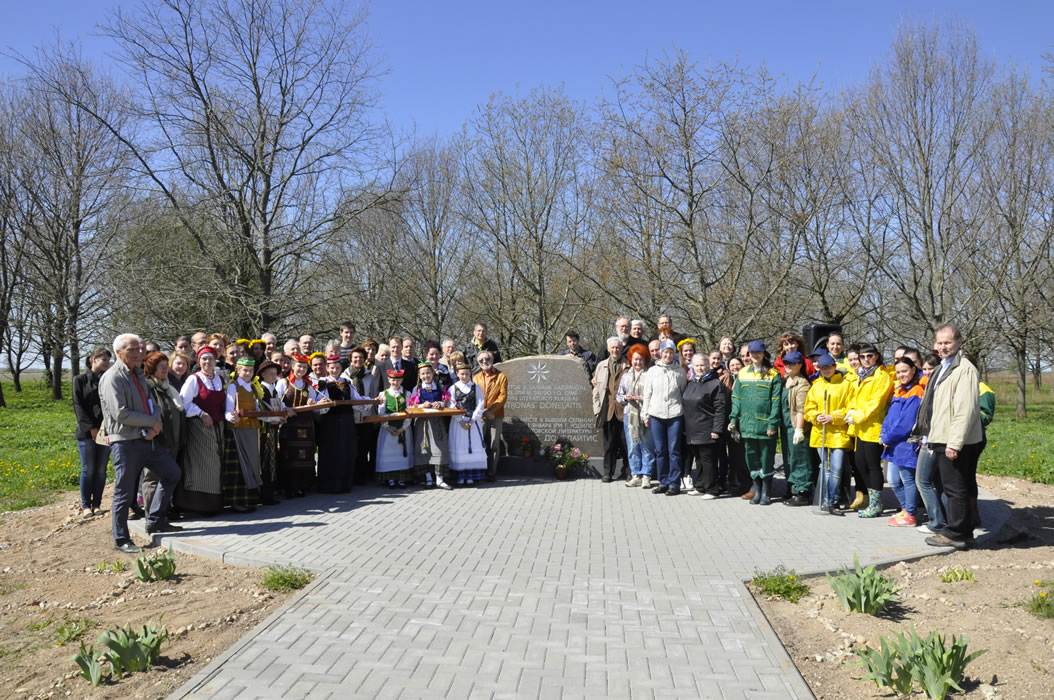
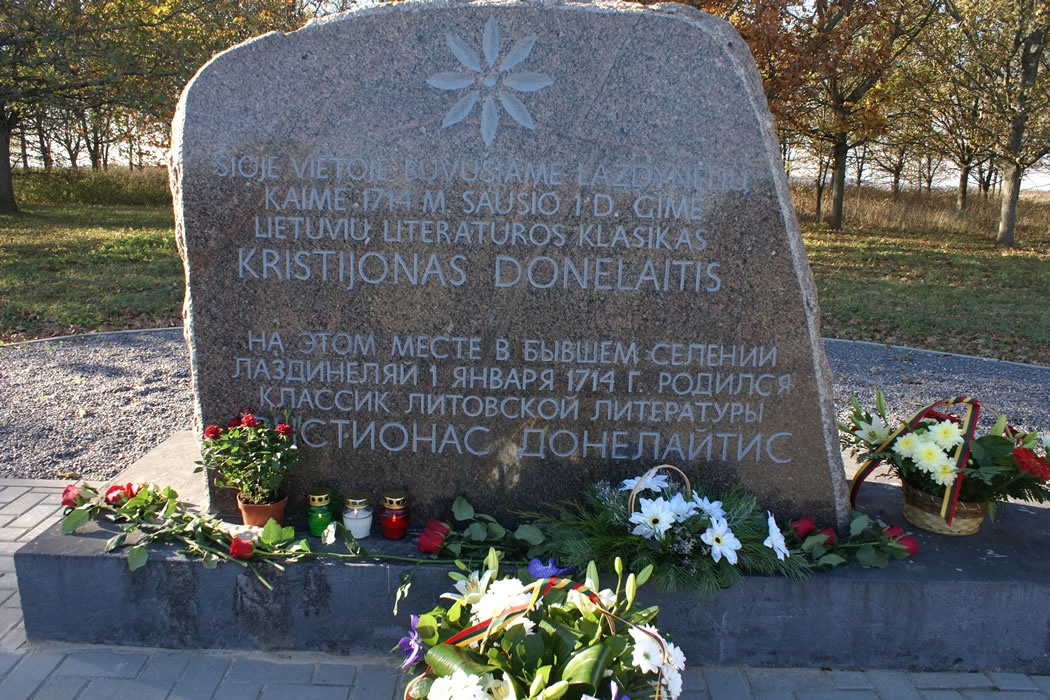
Lazdynėliai village is the birthplace of the Lithuanian literary classic Kristijonas Donelaitis (1714-1780). At the end of the XIX century his homestead was no longer left, only its foundations. In 1896 a monumental stone was built here and an oak tree from the Tolminkiemis rectory garden was planted. During the soviet years the stone was demolished. Lithuanian scientists searched for the location of the former homestead and the location of the former Lazdynėliai manor was fixed in 1989. In the same year, to commemorate the 275th birth anniversary of K. Donelaitis the same number of oaks were planted there, and already in 1990 the monumental stone was restored.
Valtarkiemis (Olchovatka) church
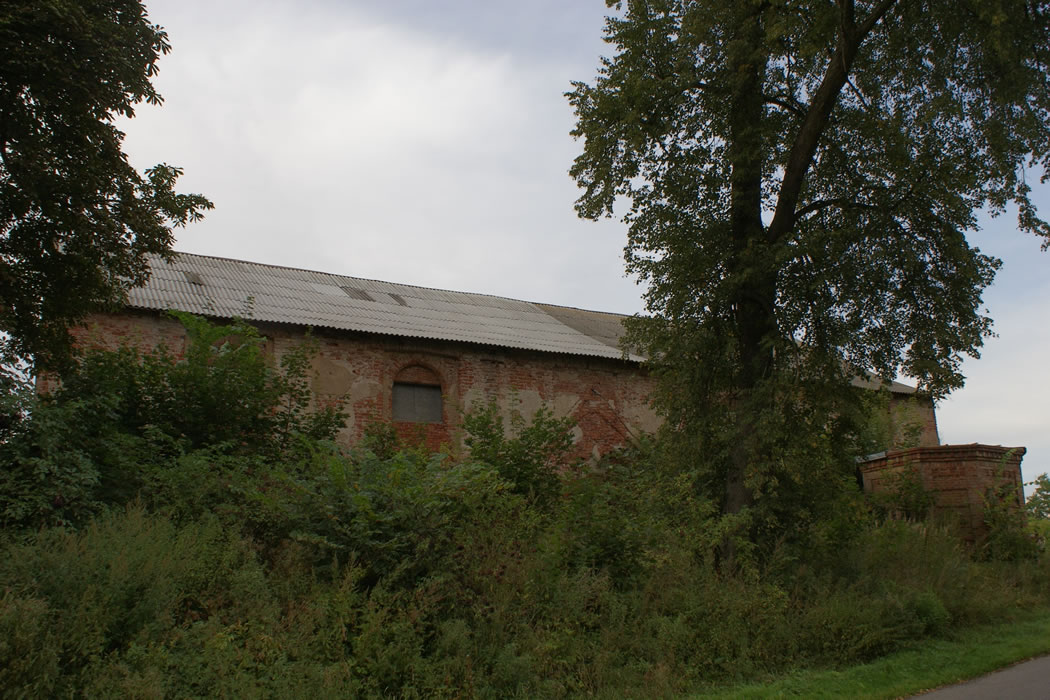
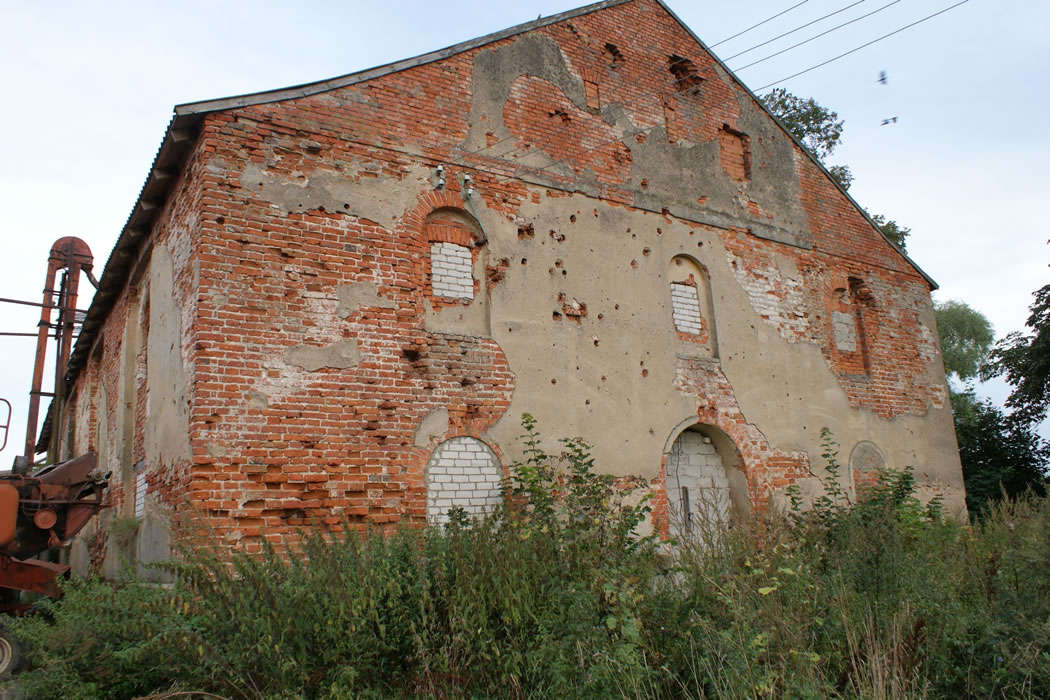
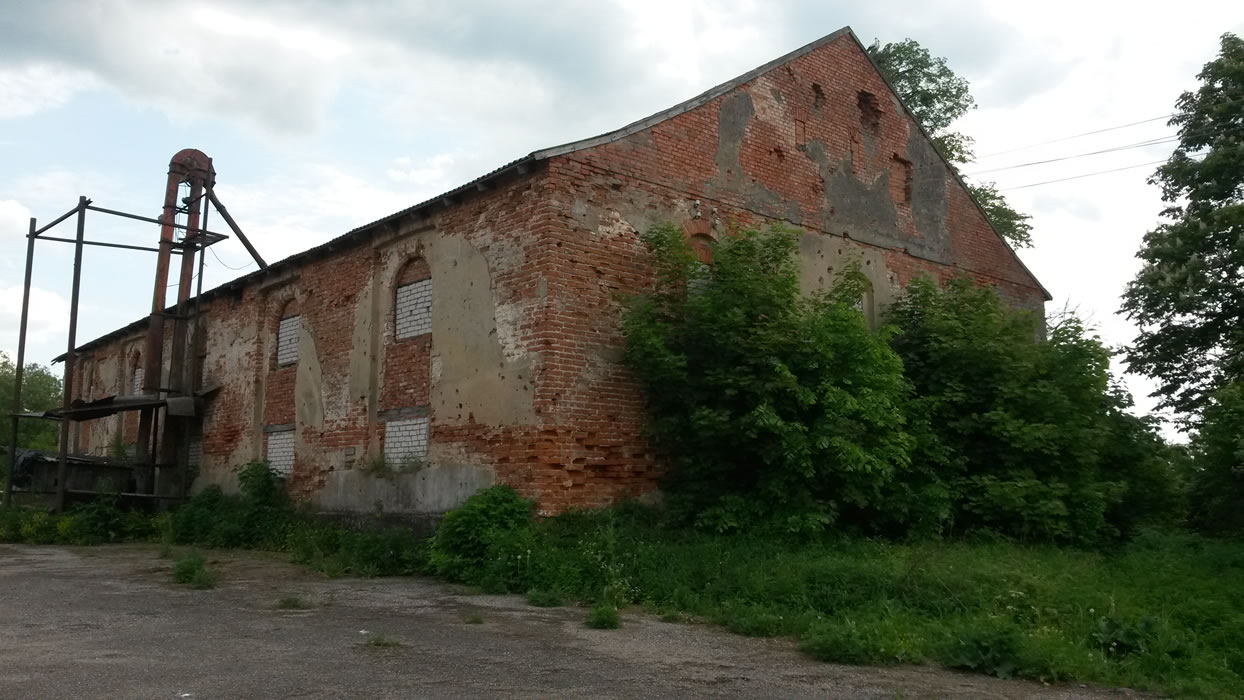
Valtarkiemis (Olchovatka) church is a valuable monument of Lithuanian culture. It was built in 1607 and repaired in 1753. The building, made of outdoor stones and bricks was rectangular, with a separate belfry. Lithuanian services were held in this church in 1607-1870. Poet Merkelis Švoba (buried here), linguist Pilypas Ruigys, collector of Lithuanian songs Jonas Jordanas, as well as K. Donelaitis were pastors there. During the First world war, it was overthrown by Russian artillery and rebuilt after the war. In 1944, a bell tower with a spindle was demolished. The former church now houses a warehouse for agricultural inventory.