Cultural heritage objects and areas
Vilkaviškis district
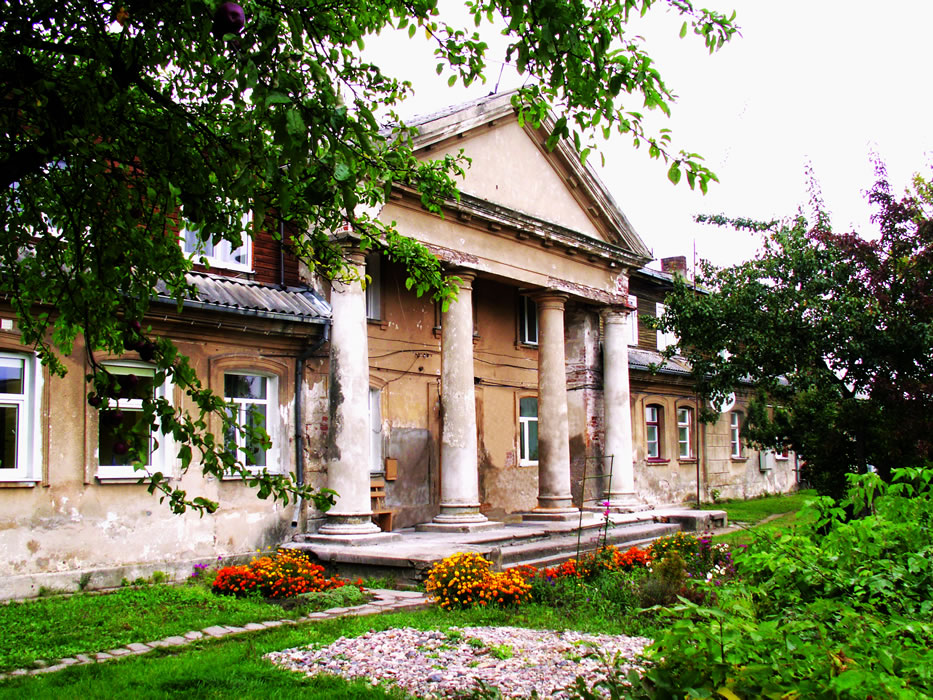
Vilkaviškis manor
(Vysk. A.Karoso st.11, Vilkaviškis)
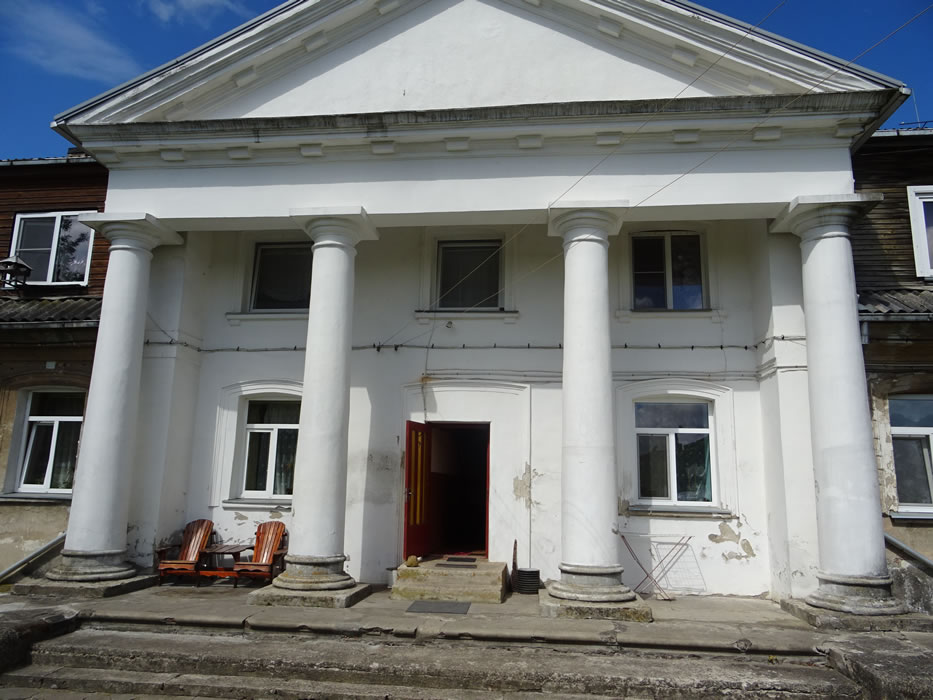
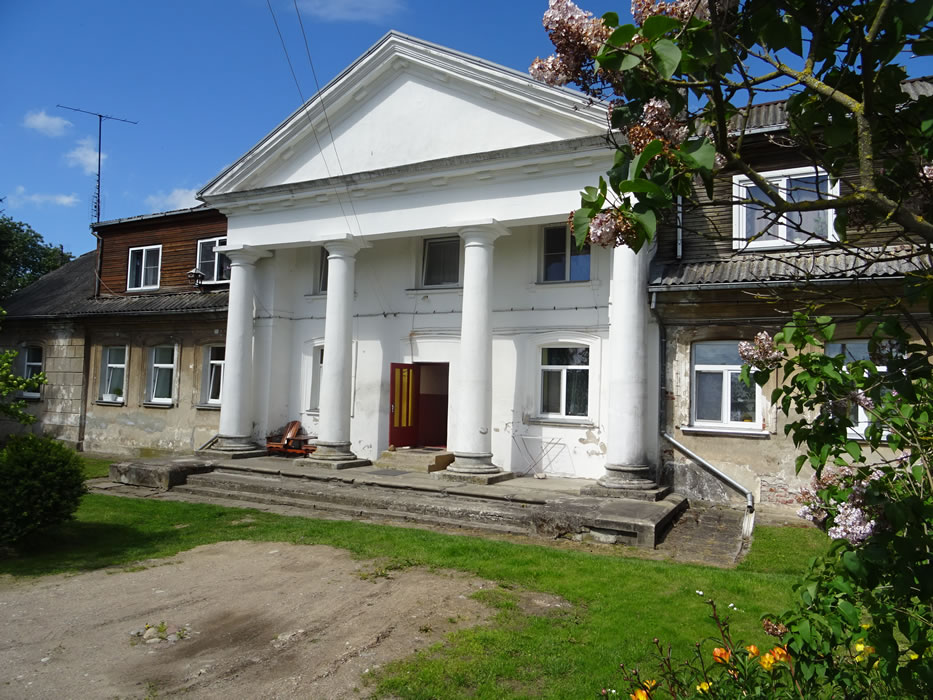
Vilkaviškis manor could be founded after 1744, and it is mentioned in written sources for the first time since 1773. The manor was most famous for its French army of 250,000 soldiers, who stood next to it on June 19-24, 1812. Emperor Napoleon himself announced the proclamation in the manor on June 22 of that year, which marked the beginning of the war with tsarist Russia. It is said that Napoleon, who won this war, promised to turn Vilkaviškis into "little Paris". After 1861, this classicist-style building, whose façade is distinguished by a triangular pediment and four columns, was inhabited by russian soldiers, Germans settled here during the First world war, and from 1926 to 1940 the manor belonged to the Vilkaviškis diocese. During the land reform, the manor, which had a famous past, was liquidated, it stood empty during the Second world war, and later the administration of soviet econimics operated here. Now the central palace building is equipped with apartments for residents.
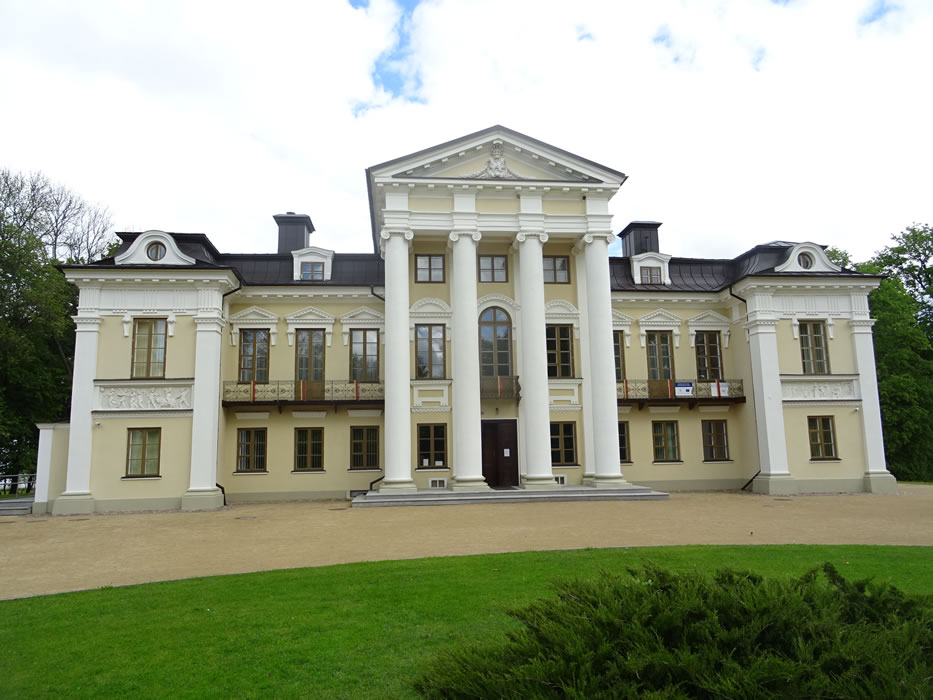
Paežeriai manor complex in Uosiai village
(Dvaro st. 6, Paežerių kaimas, Vilkaviškis district)
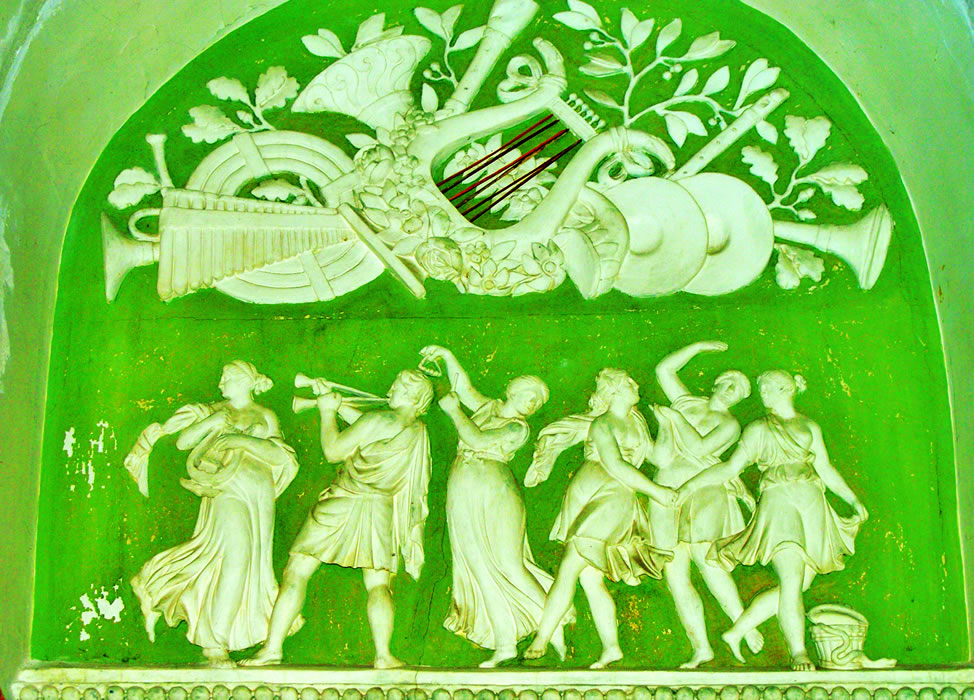
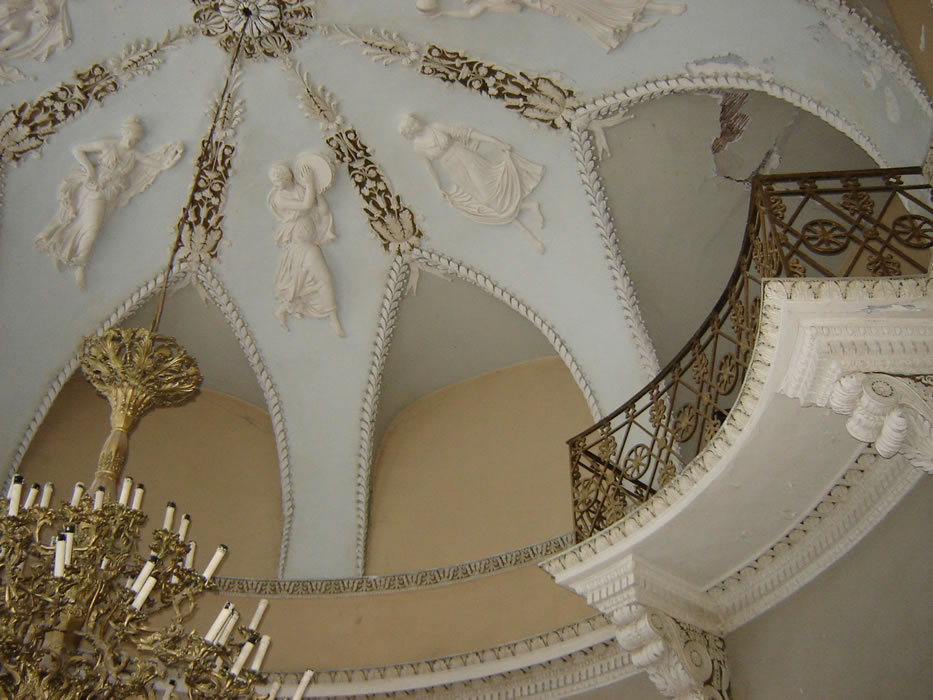
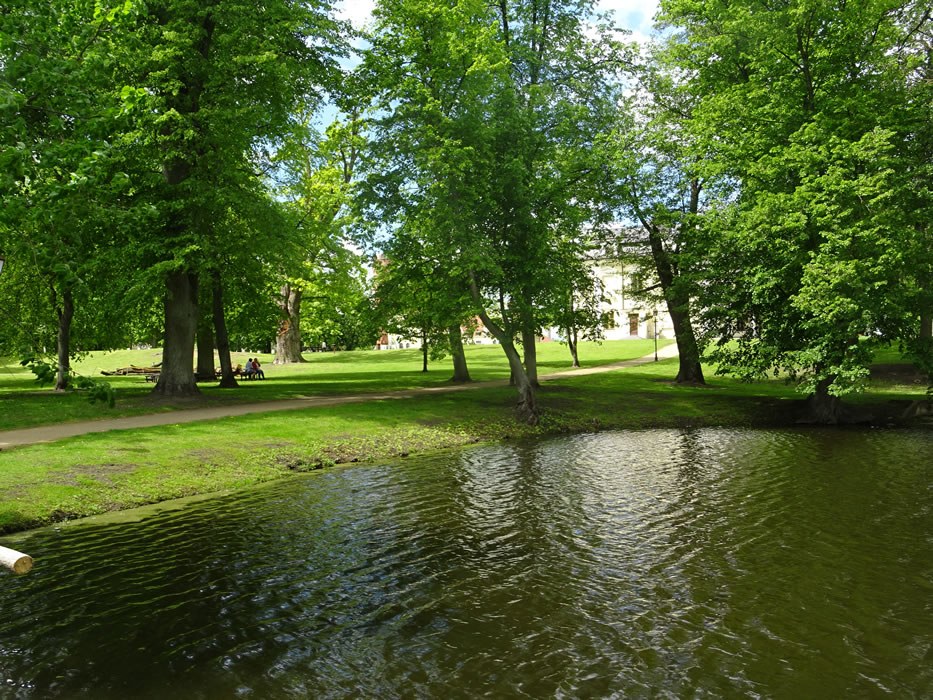
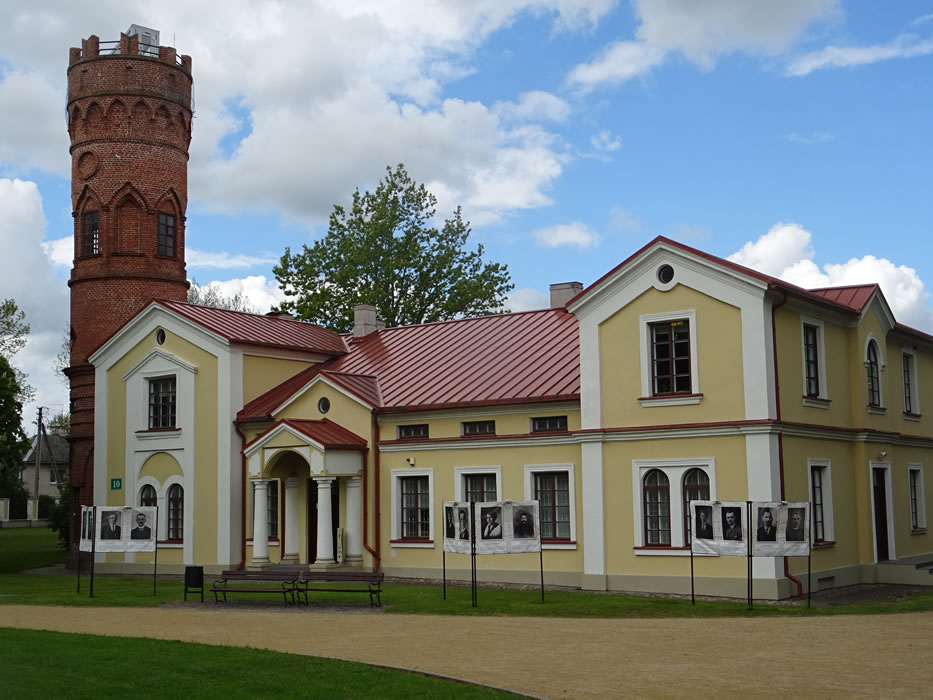
Paežeriai manor complex in Uosiai village is the most unique cultural heritage object of Sūduva region manors, having historical, architectural, urban and landscape value. The construction of the baroque to classicism style palace on the outskirts of Vilkaviškis was started in 1795 according to the project of architect Martynas Knakfusas and was completed in 1799. The manor house complex included a number of buildings, the most valuable of which is the surviving office with a Belvedere-style tower, as well as the former ice cream parlour building, the former pigsty. A valuable park was established next to the palace on an area of 12 hectares. The palace was ruled by the families of landowners Zabielai and Gauronskiai, and before the Second world war they were acquired by the banker Jonas Vailokaitis, a signatory of the February 16th Act of Independence. During the war, they were inhabited by representatives of the German authorities, after the war the center of the Soviet economics was established, and later reclamation institution operated there. After the restoration of Lithuania's independence, the palace belonged to the Vilkaviškis district municipality, then it was transferred to the Lithuanian Art Museum, and now there is located Suvalkija (Sūduva) cultural center - museum.
Vilkaviškis cathedral
(Vytauto st.14, Vilkaviškis)
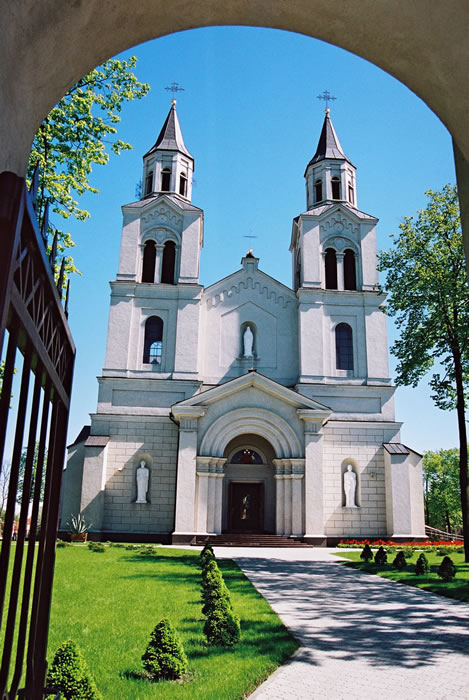
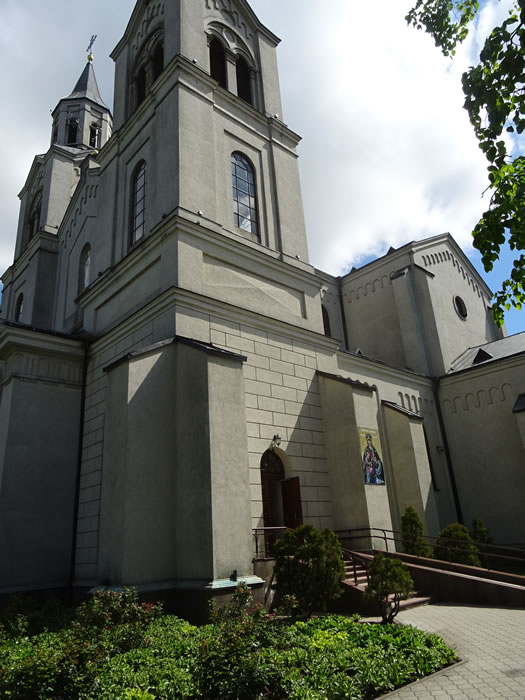
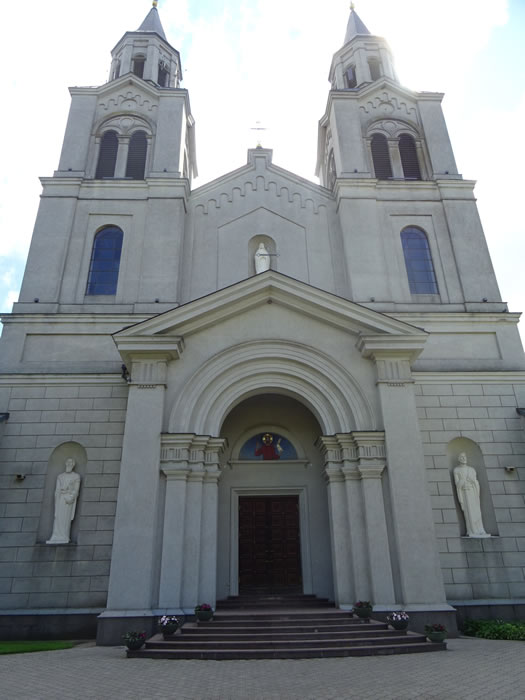
The construction of Vilkaviškis cathedral began in 1870, the works were completed and cathedral consecrated in 1881. The brick church of the Neo-Romantic style became a cathedral in 1923, when the Diocese of Vilkaviškis was founded. During the Second world war the cathedral suffered little, towers and walls were destroyed, and its vaults were pierced. The Soviet authorities did not allow the cathedral to be rebuilt, it was demolished, two two-storey houses were built of bricks, the foundation was buried in the ground and a square was planted in that place. After the restoration of Lithuania's independence it was decided to rebuild the cathedral on the old foundations. Work began in 1991 and was completed in 1998, and the cathedral was consecrated in July of that year. In 2003 the new bells of the cathedral, made in Poland were consecrated.
Former gymnasium building
(Sodų st.1, Vilkaviškis)
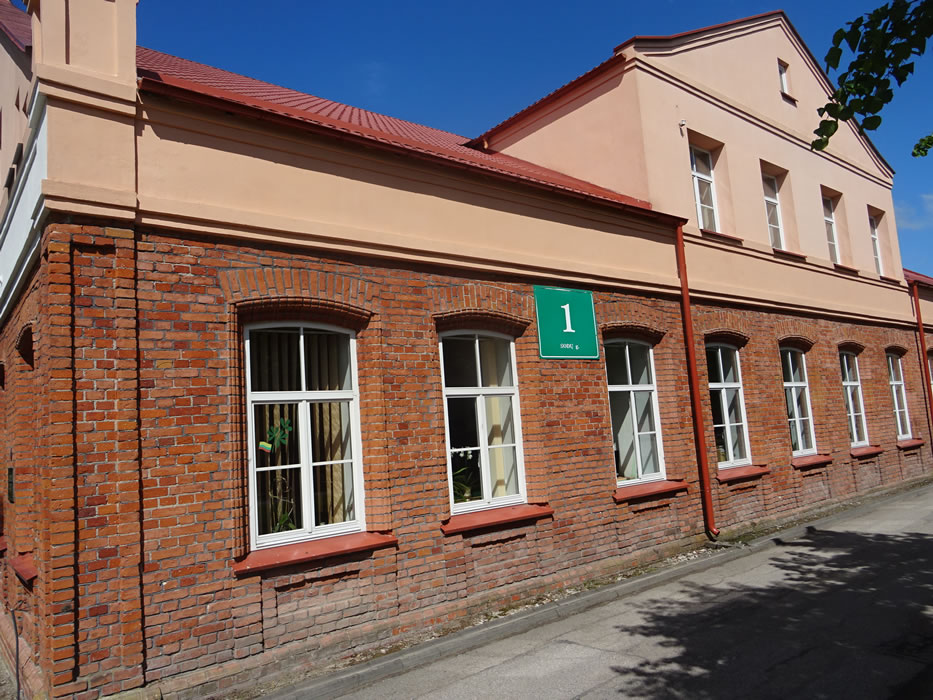
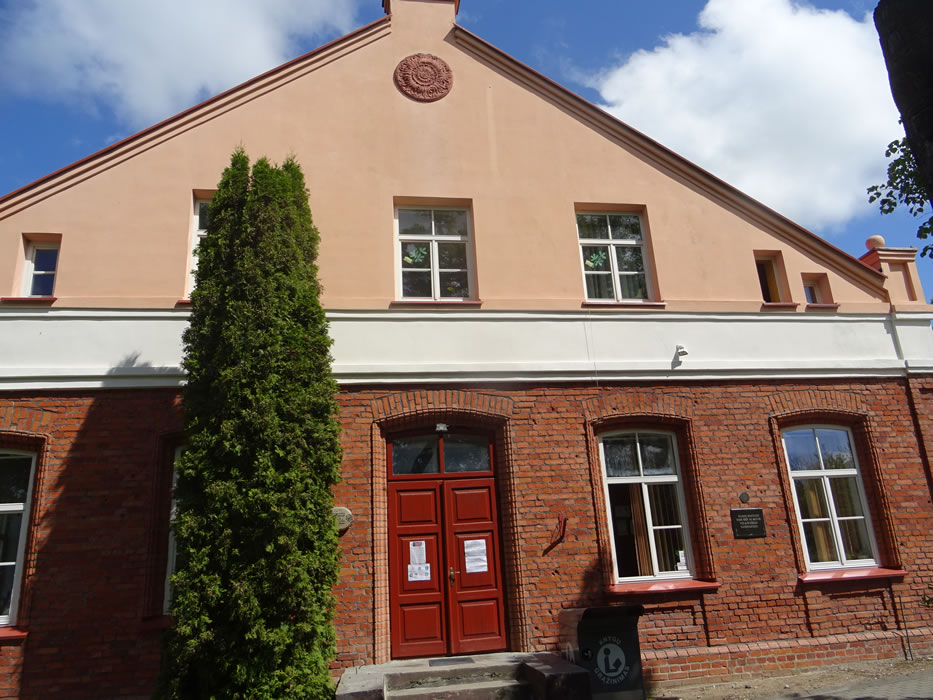
The construction of the former gymnasium building began in 1882 and was completed two years later. It was turned into a border guards barracks a decade later. Later, the Russian boys' gymnasium was established here, followed by the gymnasium of the catholic "Žiburys" society, which was nationalized in 1930. It was completed by many famous people of this region and all of Lithuania. In 1979, the Vilkaviškis district public library was established in the building. This one-storey building with a basement and attic is an example of "brick style" architecture. The building has now been renovated, with a partially exposed natural brick façade, replaced windows and a roof to preserve its historic authenticity.
The building of the former Vilkaviškis seminary
(Vytauto st.4, Vilkaviškis)
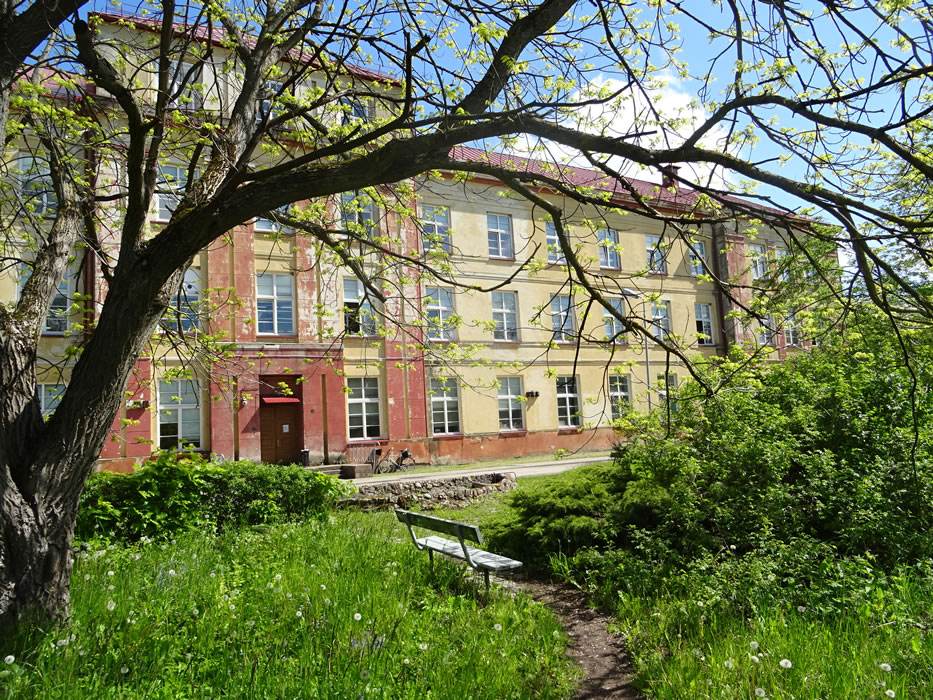
The building of the former Vilkaviškis seminary was designed by architect Vytautas Landsbergis-Žemkalnis. After the founding of the Vilkaviškis diocese in 1926 it became necessary to have a seminary for priests as well. Initially, it housed the manor house of Gižai, and in the 1930s it moved to a spacious three-storey palace, that had just been built. This building was the largest residential object in Vilkaviškis at that time, where clergymen both studied and lived in a dormitory, established there. In the 1940s, when the occupation of Lithuania began, the Russian army settled in the building, and during the Second world war, the activities of the seminary were briefly revived. It completely stopped in 1944, when clergy moved abroad or to Kaunas seminary. In the post-war years, a sewing company was established in the building next to which a large garden was established, and currently one of the largest companies in Vilkaviškis „Žemkalnija“ is operating there.
Jonas Basanavičius homestead-museum
(Gimtinės st.17, Ožkabaliai village, Vilkaviškis district)
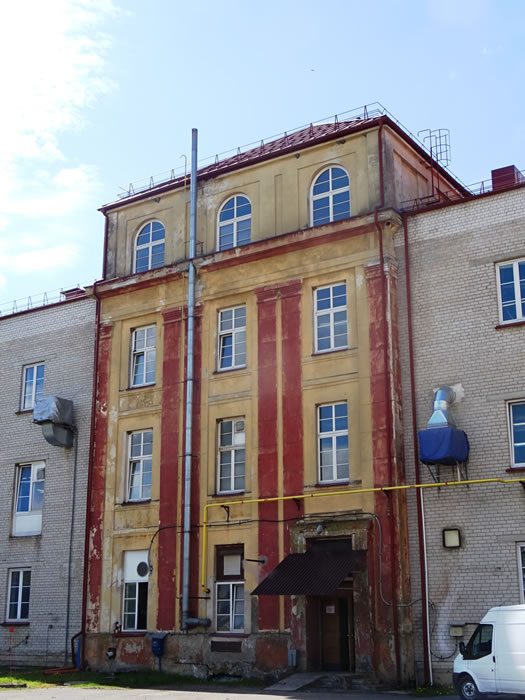
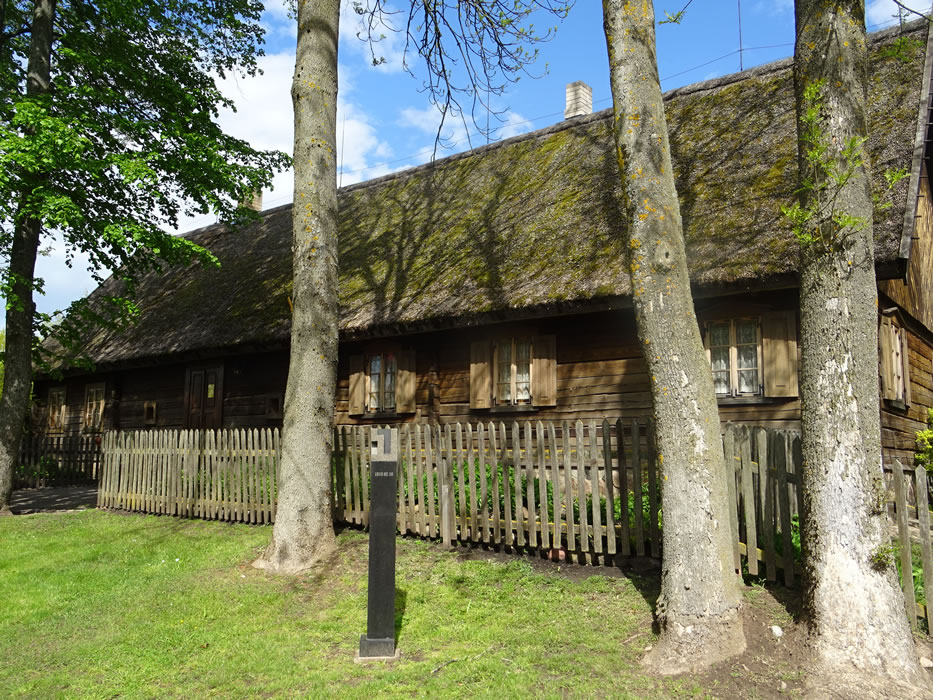
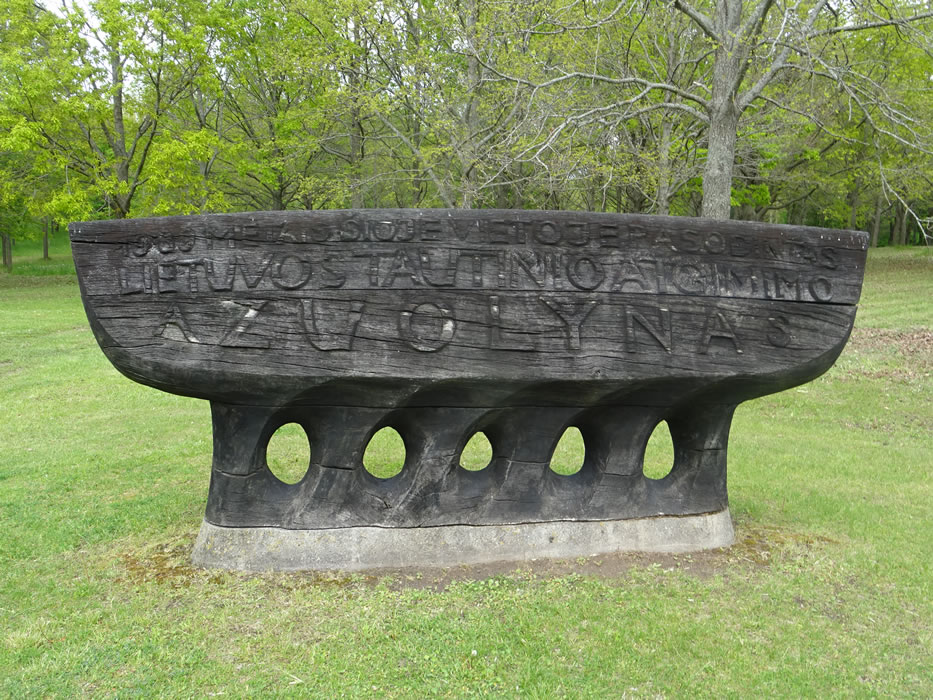
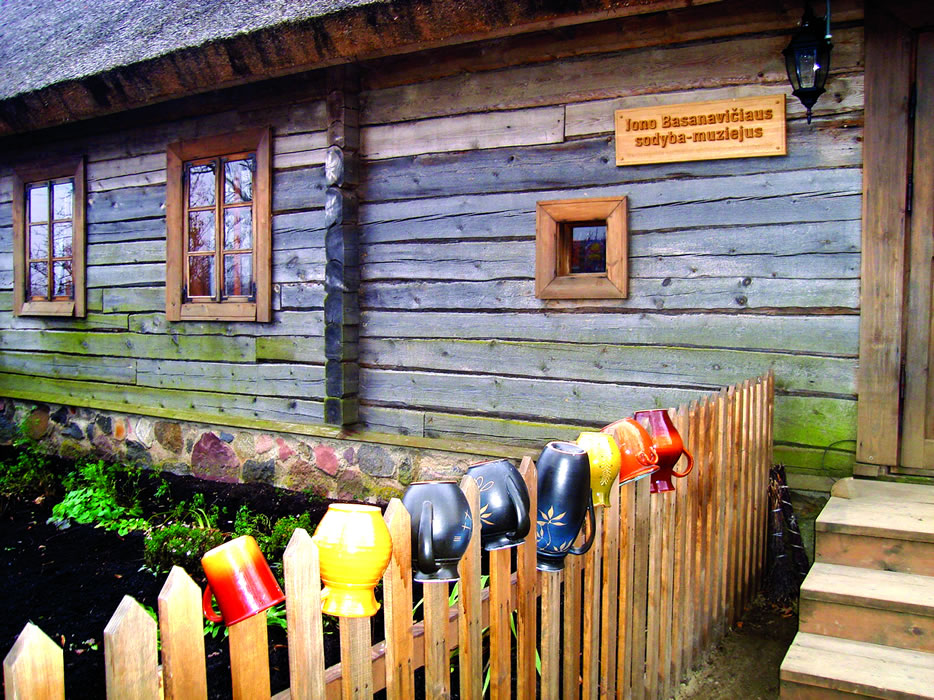
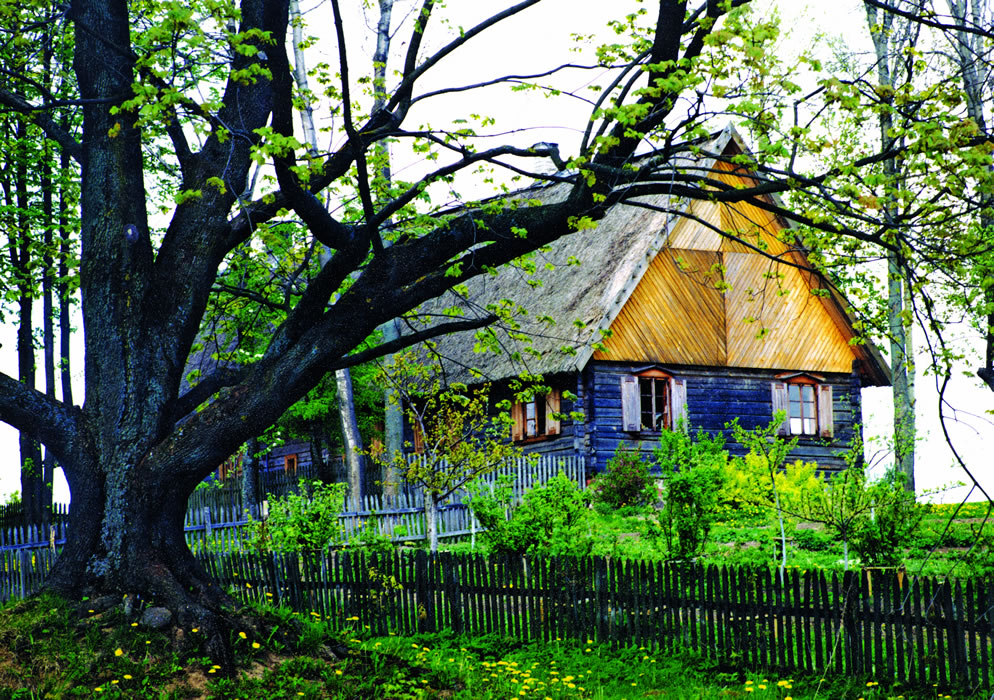
Jonas Basanavičius homestead-museum has been operating there since 1989. Patriarch of the nation Dr. J.Basanavičius was born in this homestead in 1851, his childhood was spent here also. In 1989, the planting of the National revival oak grove was started next to this homestead - then the idea arose to rebuild the abandoned homestead itself. After the preparation of its reconstruction project a residential house, a barn and an exposition were restored. In later years, the barn and cellar were rebuilt, and in 1996 the homestead was included in the register of immovable cultural values. Initially the homestead and more than 8000 trees, planted on an area of almost 40 hectares belonged to the Vilkaviškis regional museum, and in 2006 it passed into the hands of the Marijampolė county governor's Administration. Now J. Basanavičius' birthplace is a division of the Lithuanian National Museum, and only few former buildings have not been restored from the former homestead. The museum, operating in the homestead collects exhibits, accepts tourists and takes care of the oak grove.
Vincas Kudirka barn-museum
(Paežeriai village, Vilkaviškis district)
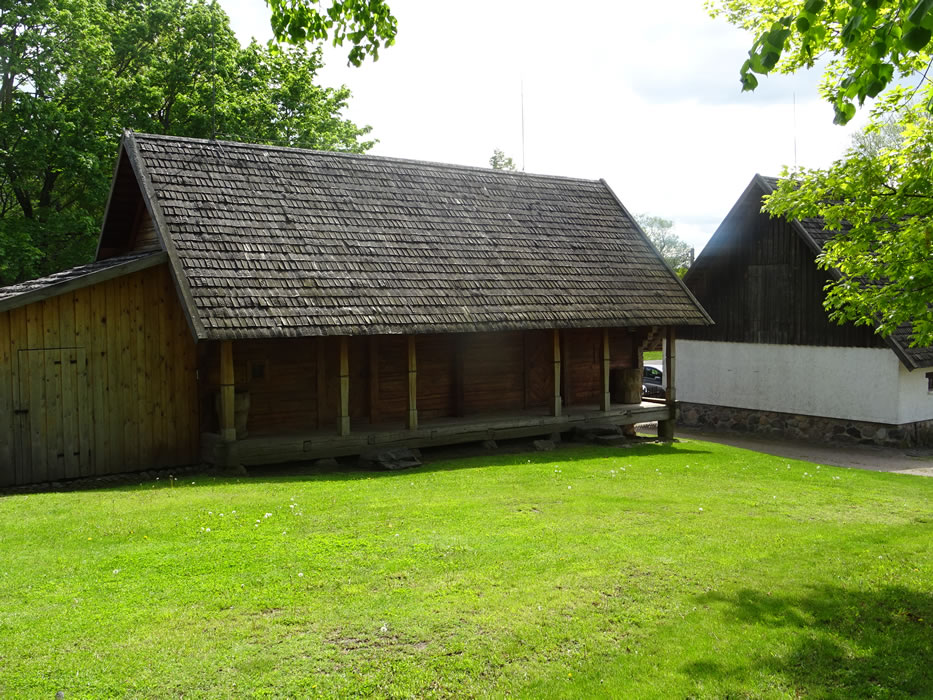
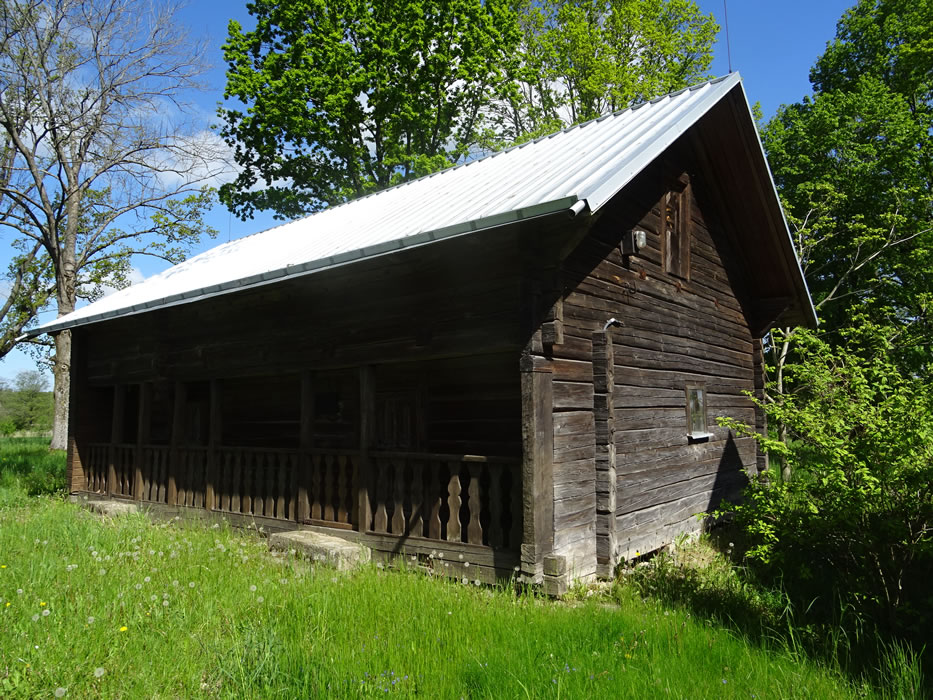
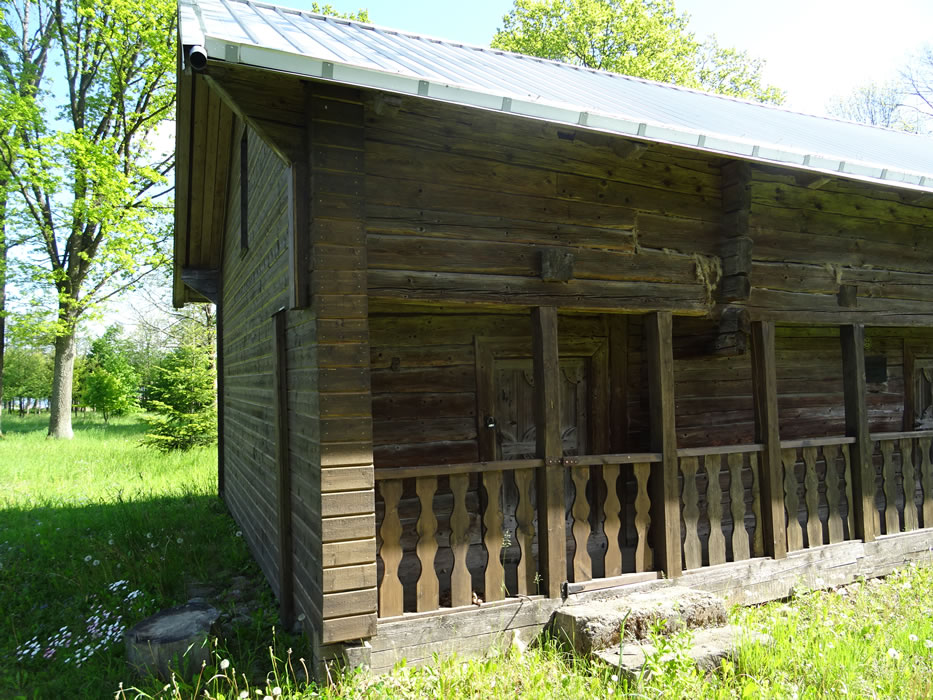
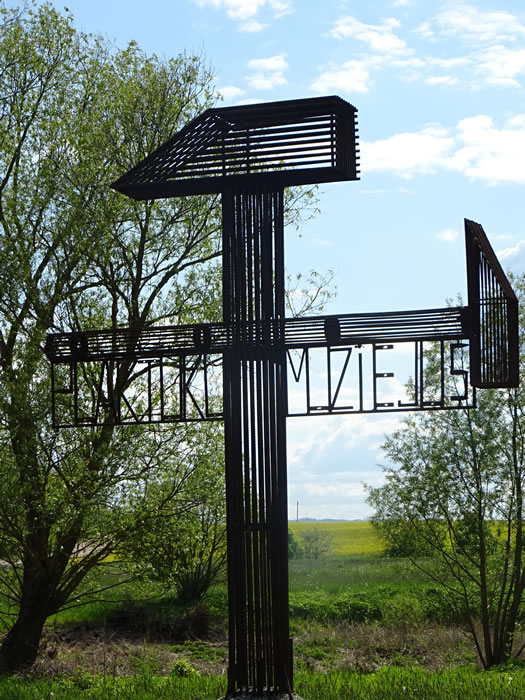
Vincas Kudirka barn-museum is located in the birthplace of the author of the Lithuanian anthem in Paežeriai village. The homestead by lake Paežeriai was built in the first half of the XIX century by V. Kudirka's father Motiejus. V. Kudirka was born here in 1858 and spent his childhood. During the First world war the homestead was destroyed, leaving only a barn, which V. Kudirka especially liked. In 1965 teacher Stasys Ankevičius established a museum in the barn, which in 1995 became a division of the Vilkaviškis regional museum. The violin of V. Kudirka was stored in the barn built in 1867, which was later transferred to the Paežeriai manor house after S. Ankevičius died. In the first year after the restoration of Independence thousands of tourists visited the barn, and it still receives visitors. The barn is supervised by an employee living in the homestead.
The native homestead of the sculptor Petras Rimša
(Naudžiai village, Vilkaviškis district)
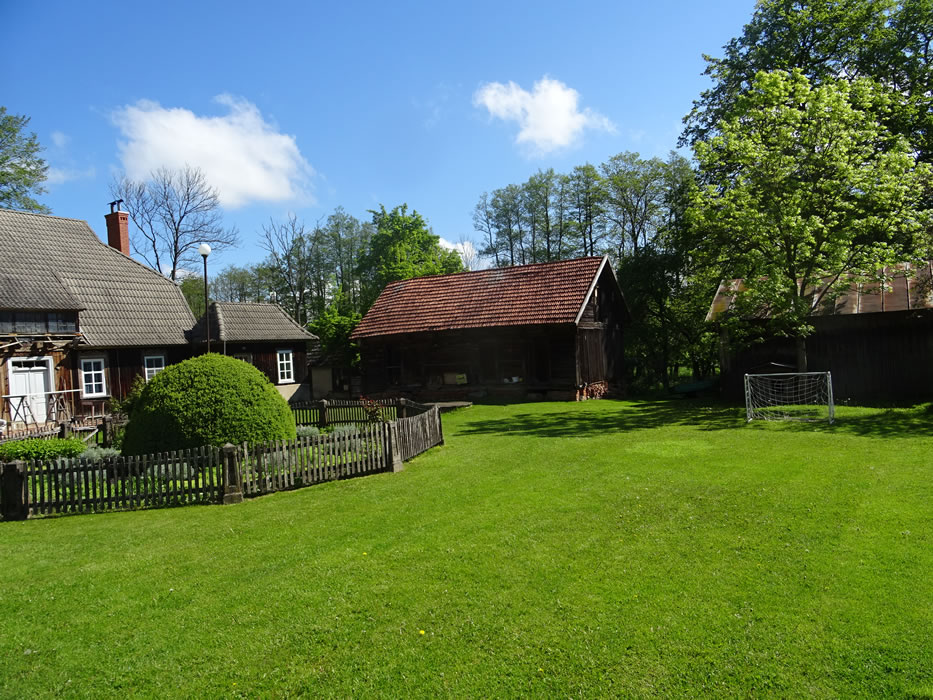
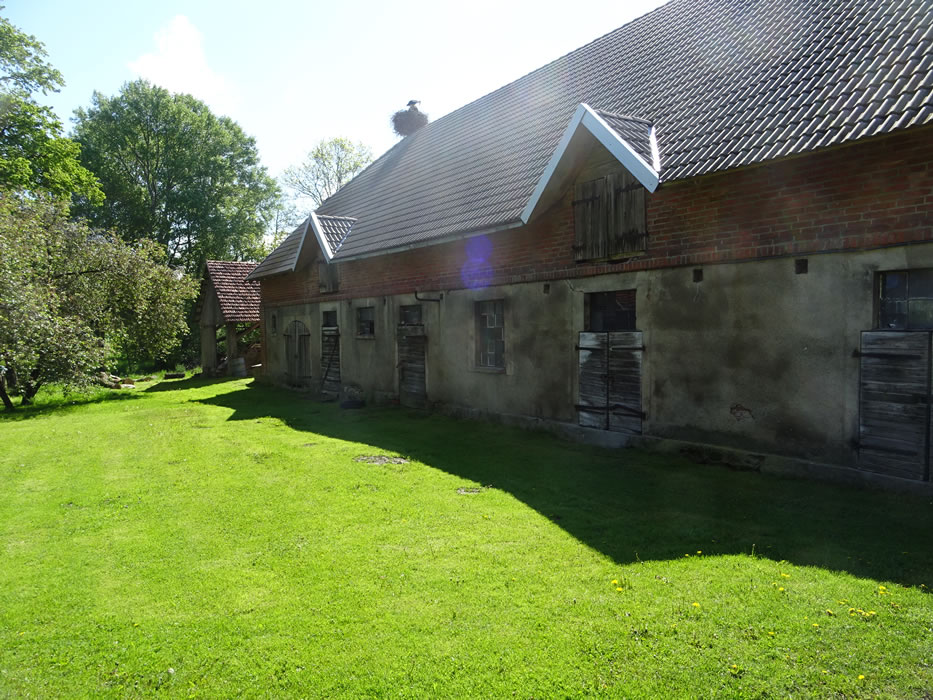
The native homestead of the sculptor Petras Rimša, called "Rimšyne" remembers old times. Five children of Rimšai grew up in this homestead. Juozas (1875-1970), bookbinder, skilled in bookbinding, later inherited his parents' farm, Petras (1881-1961), painter, Lithuanian meritorious artist, most famous for his sculptures "School of Trouble", "Artojas", decorative medals, Uršulė Rimšaitė-Jurkšienė and Jurgis. Rimšai homestead became famous as an example in interwar independent Lithuania. The buildings of the homestead form a cosy enclosed yard with a flower clump in the middle. The museum has been operating here for more than 60 years. The pillar of the gate is marked by a memorial plaque: in 1945-1946 an underground printing house of the Lithuanian partisan Tauras district operated in this homestead.
Hammer Museum in Degučiai village
(Penkinių st.11, Degučiai village, Vilkaviškis district)
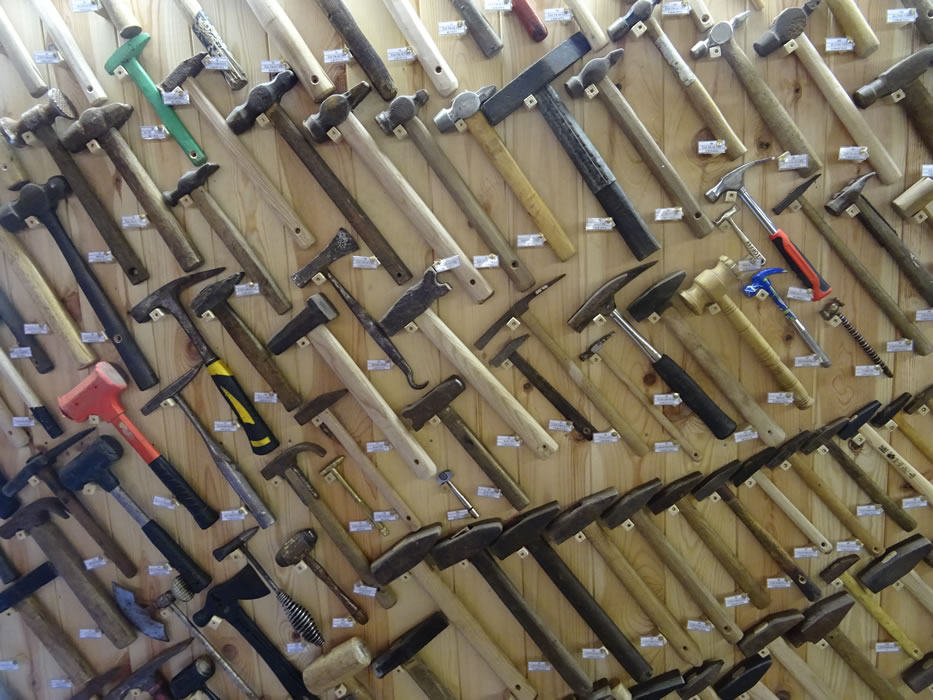
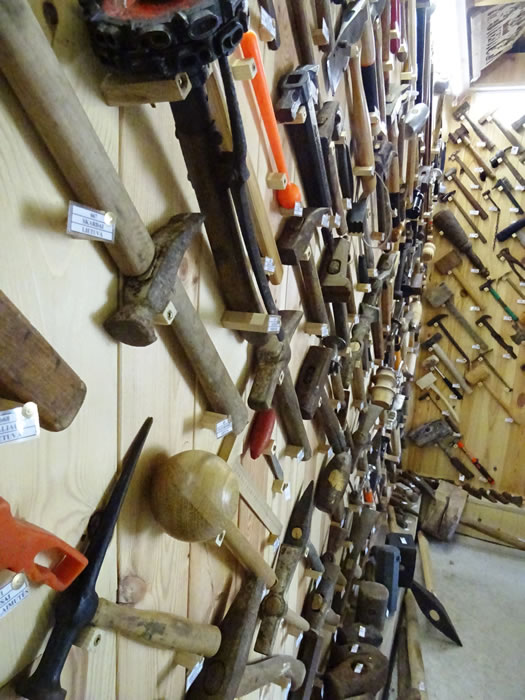
There are over 25000 different types of hammers in the world. There are not many hammer museums in the world, and in Lithuania are only two of them - one operates in the Ignalina district, the other - the museum, founded by Saulius Matusevičius in Degučiai village. The museum now has more than 900 exhibits. The hammers are numbered with the country of origin and purpose, written on each. There are a wide variety of them: for small works, stone cutting, milling, jeweler's hammer, judge, butcher, furniture maker, etc. Numerous hammers from the USA, England, Japan, Germany, Russia, Australia and other countries of the world have come to the museum.
Vištytis windmill and oil mill in the town
(Taikos st., Vištytis, Vilkaviškis district)
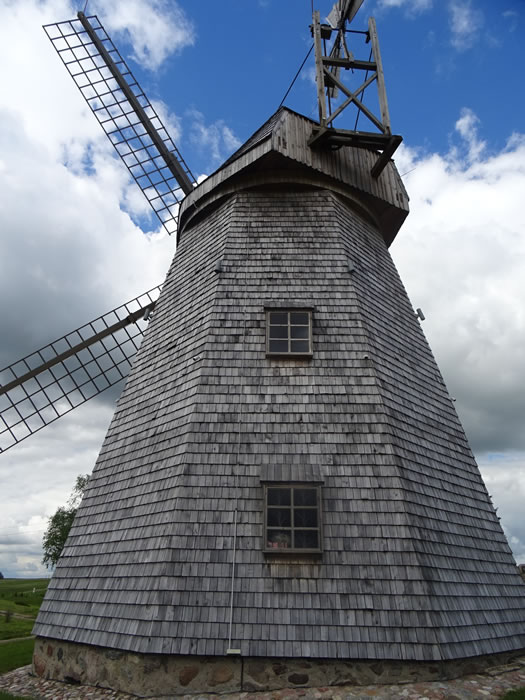
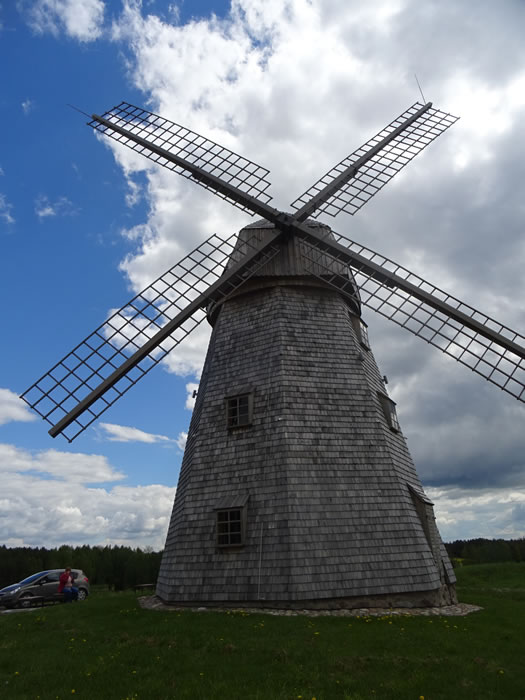
Vištytis windmill and oil mill in the town (Taikos st., Vištytis, Vilkaviškis district) were added to the list of immovable cultural values in 2003. Both of these facilities were built in 1925. A windmill with technological equipment built by Jonas Kanapkis and is the only surviving one in Vilkaviškis district. During the Soviet years an ethnographic museum was established here, later its exhibits were transferred to the Vilkaviškis regional museum. The mill, together with the miller's house, was returned to the owners, who for a long time could not find funds for the maintenance of the mill. In 2015 with the funds of the Cultural heritage department and the association “Sūduva Culture Foundation” research on the architecture, wood and structures of the mill was carried out and a project of maintenance works was prepared on the basis of them. In 2018 Vilkaviškis district municipality found financial resources for the purchase of the mill, the State service for protected areas under the Ministry of environment allocated funds for maintenance work and support from the EU structural funds was received. Vištytis regional park directorate assumed responsibility for the use of the arranged windmill. A tripartite agreement was signed and in the beginning of 2019 and mill maintenance work was finally started. The windmill is now suitable for visiting not only as a museum, but also as an observation tower.
The homestead of Vinkšnupiai manor and the old Tatar cemetery
(Vinkšnupiai, Vilkaviškis district)
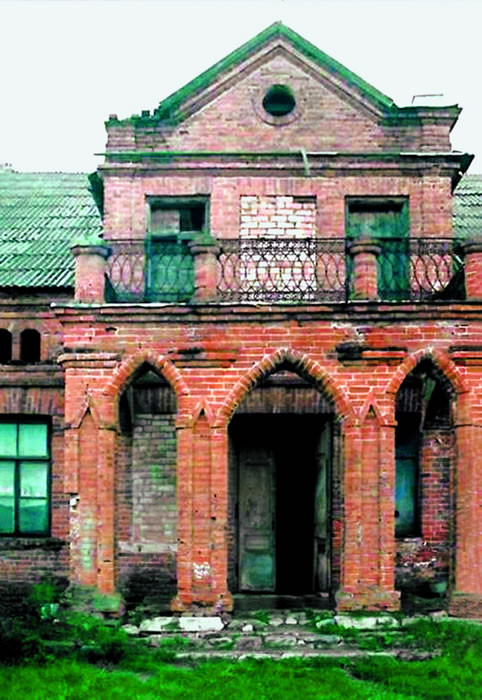
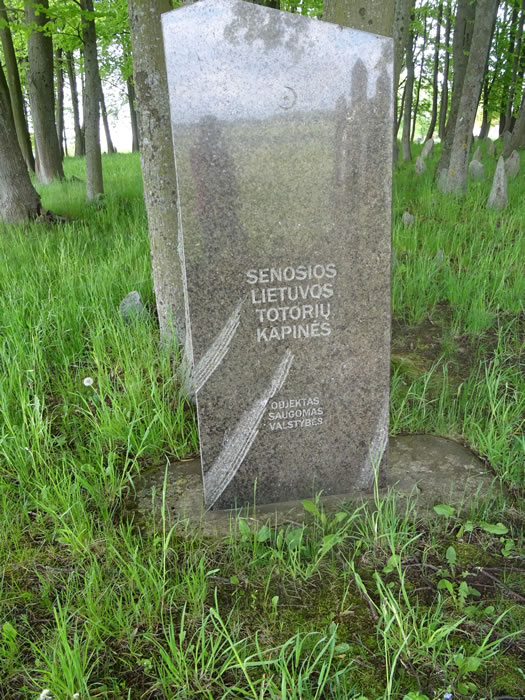
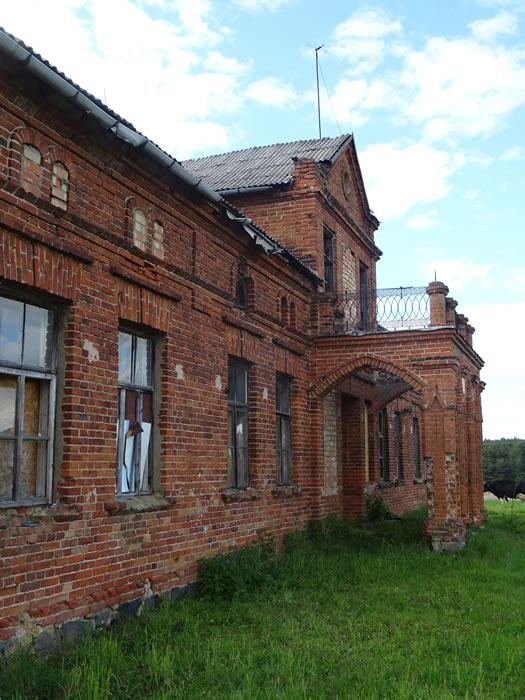
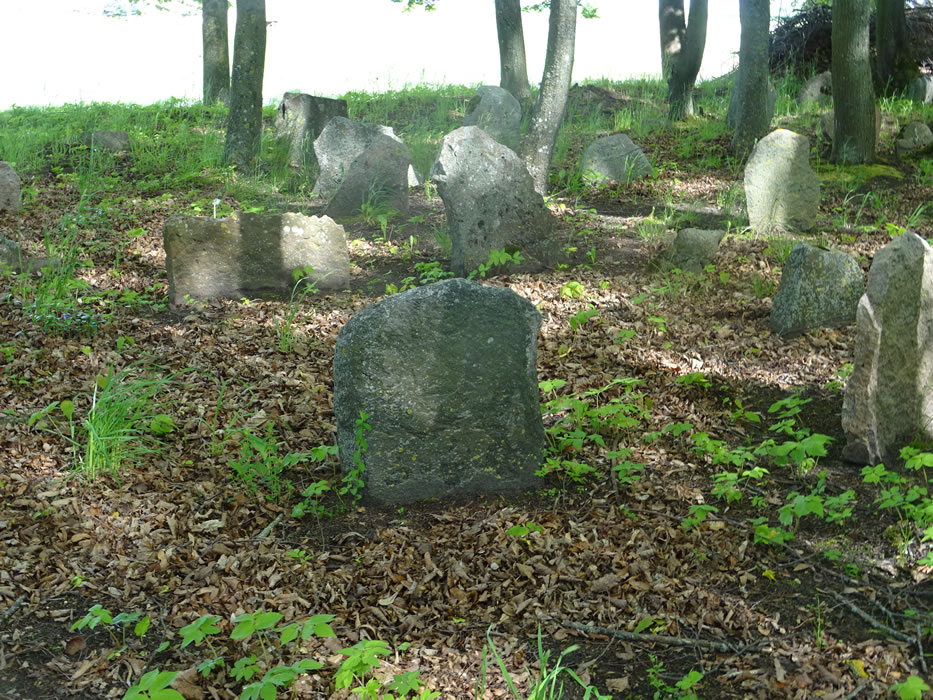
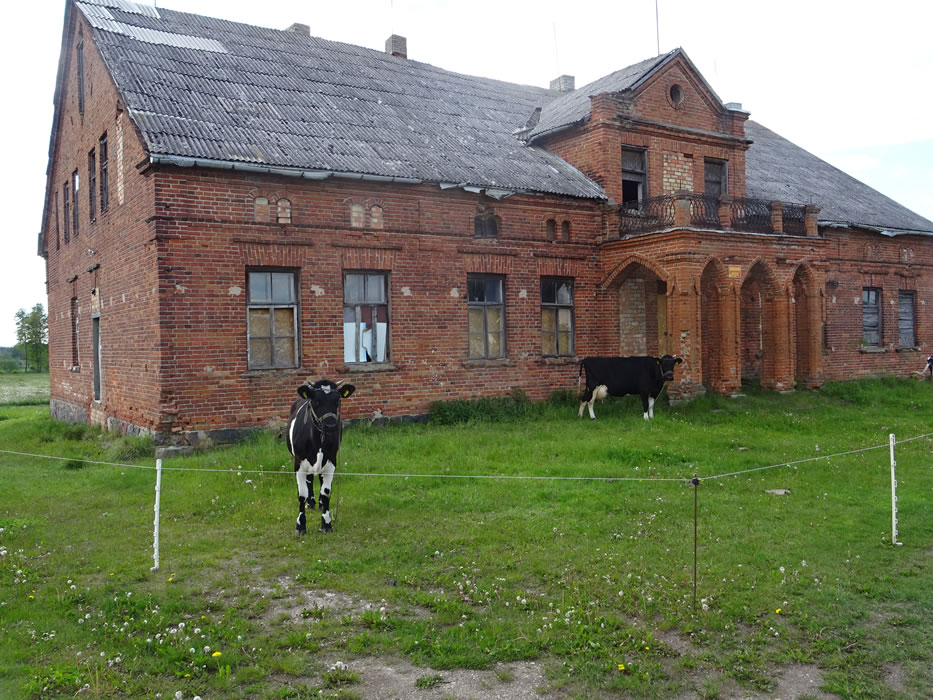
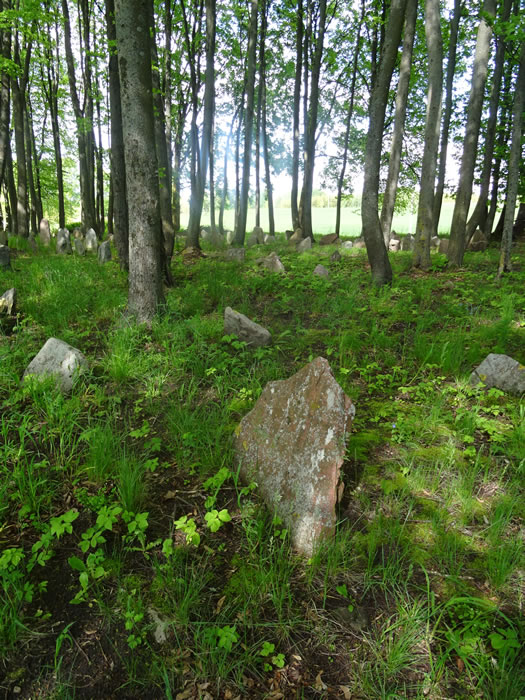
The homestead of Vinkšnupiai manor and the old Tatar cemetery (Vinkšnupiai, Vilkaviškis district) in the territory of Bartninkai eldership remember the Tatar community, that has lived in these places since the XVII century or even earlier. It is believed, that Vinkšnupiai were donated to the Tartar warlord Tuhan Bėja, whose successor married a local landowner, a Lithuanian, whose name was Baranauskaitė. After this marriage, the heirs received the surname of Tuhan Baranauskas. In 1918 there were three Muslim parishes in Lithuania - Raižiai, Alytus district and Vinkšnupiai. In the interwar years these lands belonged to the landlords Gavrilkevičius, who built a red brick mansion with an arcade portico and a balcony here. Now there are two buildings of the manor, one of which has apartments. Before the Second world war there was still a Tartar mosque in Vinkšnupiai, the logs of which were used by German soldiers during the war to fortify the trenches. The surviving Tartar cemetery, in the memorial stones of which the records of the XVII century still remain, was arranged in the summer of 2008, and a memorial stone was built.
The building complex of St. Alexander Nevsky Orthodox Church
(J.Basanavičiaus st.19, Kybartai, Vilkaviškis district)
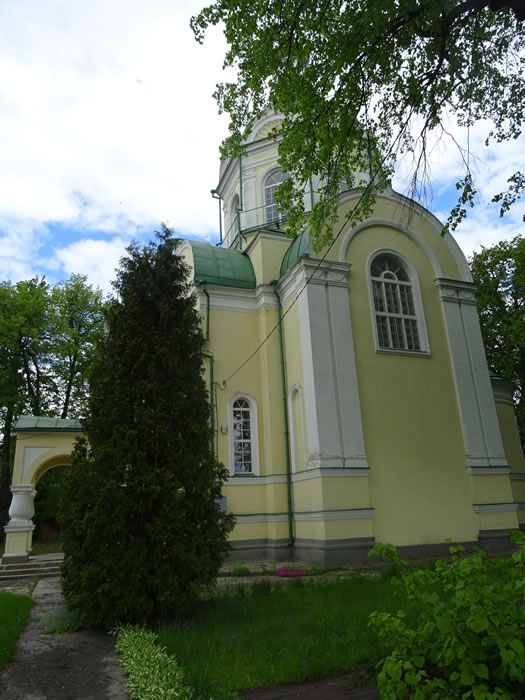
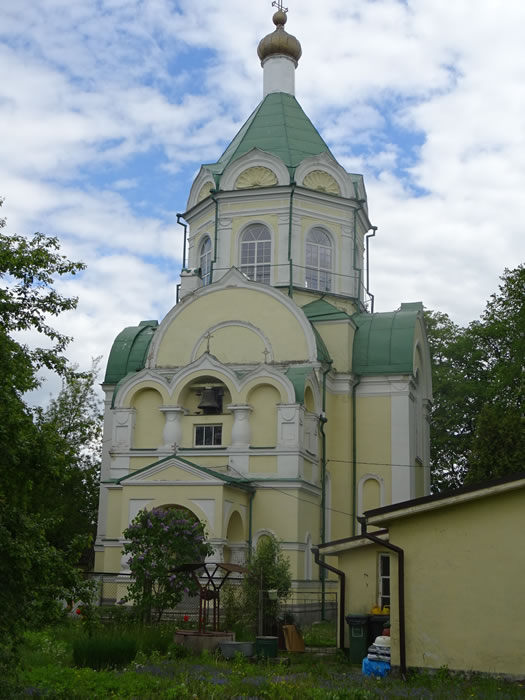
The building complex of St. Alexander Nevsky Orthodox Church was built in 1870 and was intended for railway employees. During the First world war these Orthodox houses of worship were turned into warehouses. In 1919 the Ministry of the interior of the Republic of Lithuania handed over the ruined church, the school building and two parish houses to the Catholic diocese of Seinai. A catholic church was then built there. Orthodox, living in the city appealed to the authorities to return the house of prayer in 1929. The church was returned to the Orthodox community by a resolution of the Cabinet of ministers. In 1935 Kybartai St. Alexander Nevsky church was renovated. This building is the first Orthodox shrine in Užnemunė to carry out a special mission to transport the remains of believers from West countries to Russia, who died abroad.
Monument to the artist Isak Levitan
(J.Basanavičiaus st., Kybartai, Vilkaviškis district)
Monument to the artist Isak Levitan (J.Basanavičiaus st., Kybartai, Vilkaviškis district). In the very center of Kybartai there is a monument to one of the most famous artists of the XIX century Isak Levitan. On August 30, 1860 born in the city of Kybartai on the outskirts of Tsarist Russia at that time, Levitan spent ten years here, and later the family moved to Moscow. Although both of Levitan's parents died early, the future genius managed to graduate from the Moscow School of Art and become one of the most famous artists and he was even given the title of academician for his work. In honour of the artist’s memory, on 1January 25 1977 his monumental bust was unveiled in Kybartai by the sculptor Bronius Vyšniauskas and the architect Rimvydas Vyšniauskas.