Cultural heritage objects and areas
Šakiai district
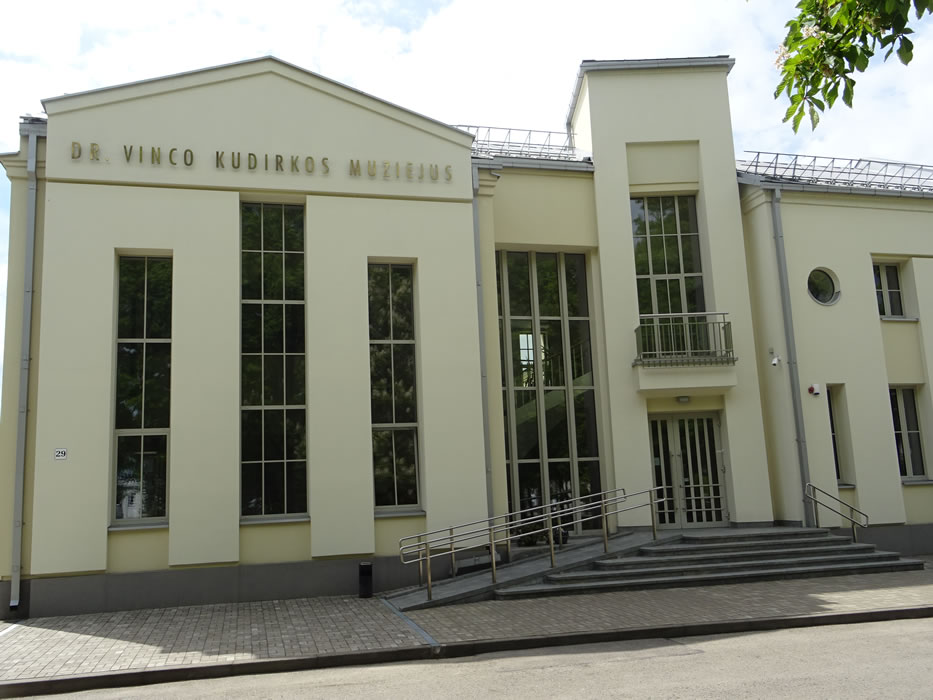
Vincas Kudirka museum and monument
(V.Kudirkos st.29, Kudirkos Naumiestis, Šakiai district)
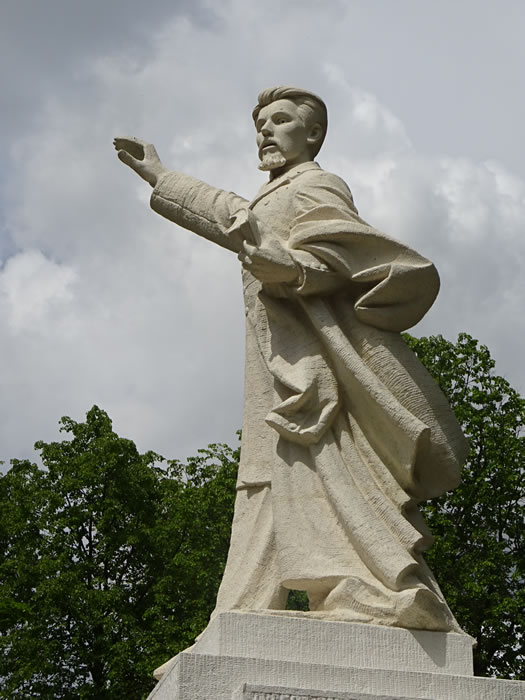
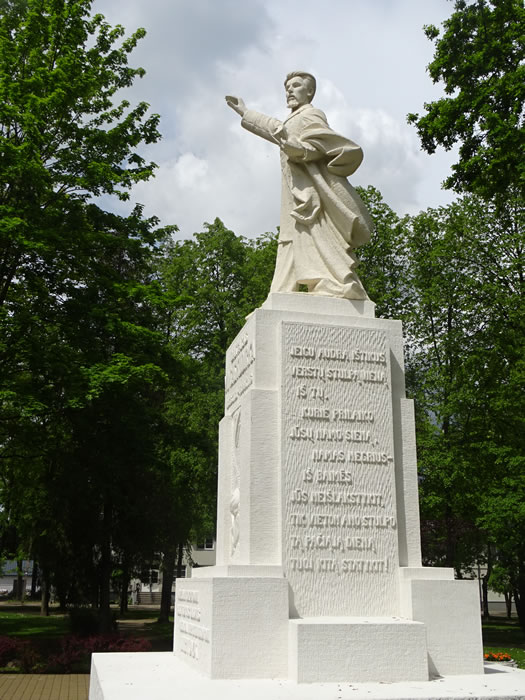
Vincas Kudirka museum and monument commemorates the doctor, the awakener of the national revival, the author of the Lithuanian anthem. The museum was built in the place, where V. Kudirka lived in the house, where the National anthem was created. The museum was opened in 1998 to mark its 140th birth and 100th anniversary of the anthem. This is the first new museum since the restoration of independence of Lithuania. It also presents the history of Kudirkos Naumiestis, the year of the press ban. In front of the museum - a monument to V.Kudirka, built in 1933 by the sculptor Vincas Grybas. There is a grave of V.Kudirka in the town cemetery. The entire old town of Kudirkos Naumiestis, whose volumetric spatial composition was formed before the beginning of the XIX century, is included in the register of real estate of the Republic of Lithuania.
Kiduliai manor homestead
(Nemuno st.66, Kiduliai, Šakiai district)
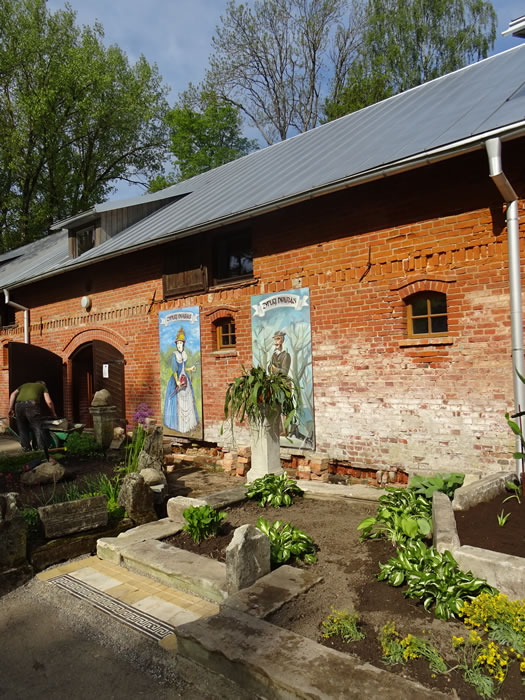
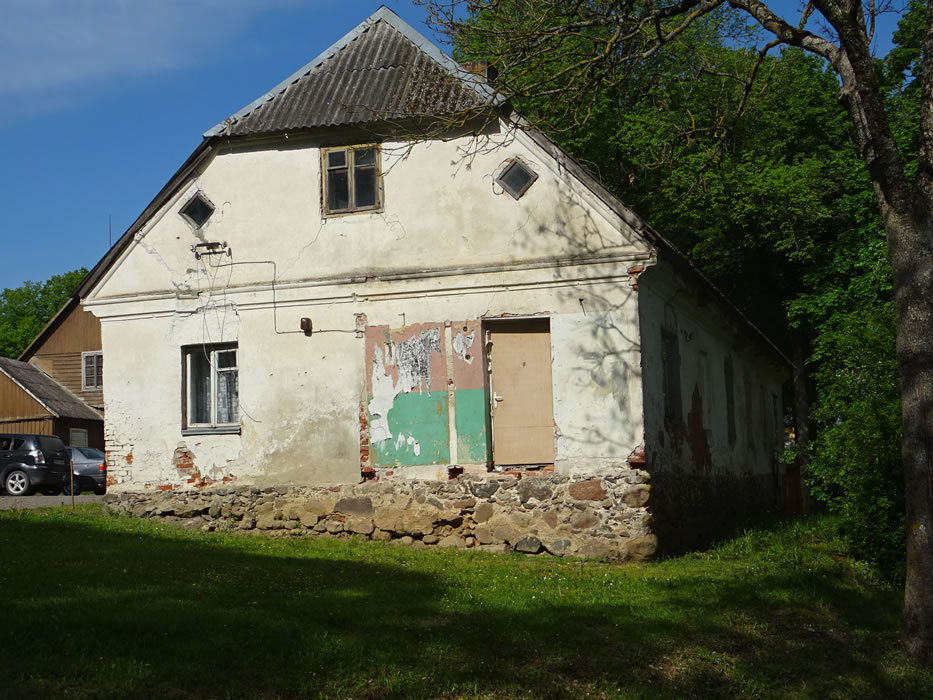
Kiduliai manor homestead – from XIX century, neoclassical style, although the manor was in these places much earlier. The Kiduliai manor once belonged to the treasurer of the Grand Duchy of Lithuania Jeronimas Krišpinas Kiršenšteinas. Later even three Samogitian bishops lived here one after another. It is known that King Wilhelm III of Prussia lived in this manor until 1807, when the Peace of Tilsit was signed. In the second half of the XIX century Tiškevičiai family became the rulers of the manor, to whom the manor belonged until the occupation of Lithuania in 1940. Once upon a time, the manor homestead owned as many as 32 buildings - including an office, a distillery, a brewery, and four clones. After the war, a Soviet farm and a library were established in the manor house, which still function today. To this day, six buildings belonging to the manor house have survived. The former office and brewery are now equipped with apartments, and an outpatient clinic was established in the manor house in late 1995. The former manor park was abandoned and became wild. In 1986 the homestead of Kiduliai manor was declared an architectural monument of local significance. Today the cosy small manor has been restored, there is a library, various events, educational lessons are held, the heritage of the former Kiduliai brickyard is immortalized - an exposition of bricks and tiles has been installed. Theatrical tours are organized here. In 2019-2021, during the implementation of the project “Cultural heritage at the border region - for tourism and cooperation” the manor barn was reconstructed. Its ground floor is adapted to the needs of culture and tourism. Equipment, furniture, exposition were purchased with the project funds.
Zypliai manor
(Lukšiai, Šakiai district)
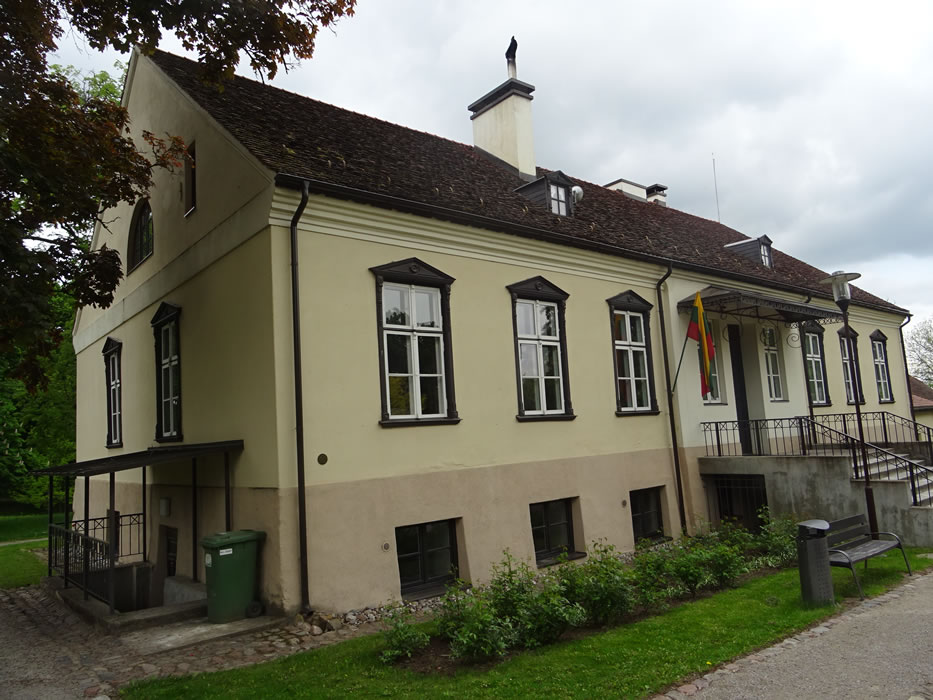
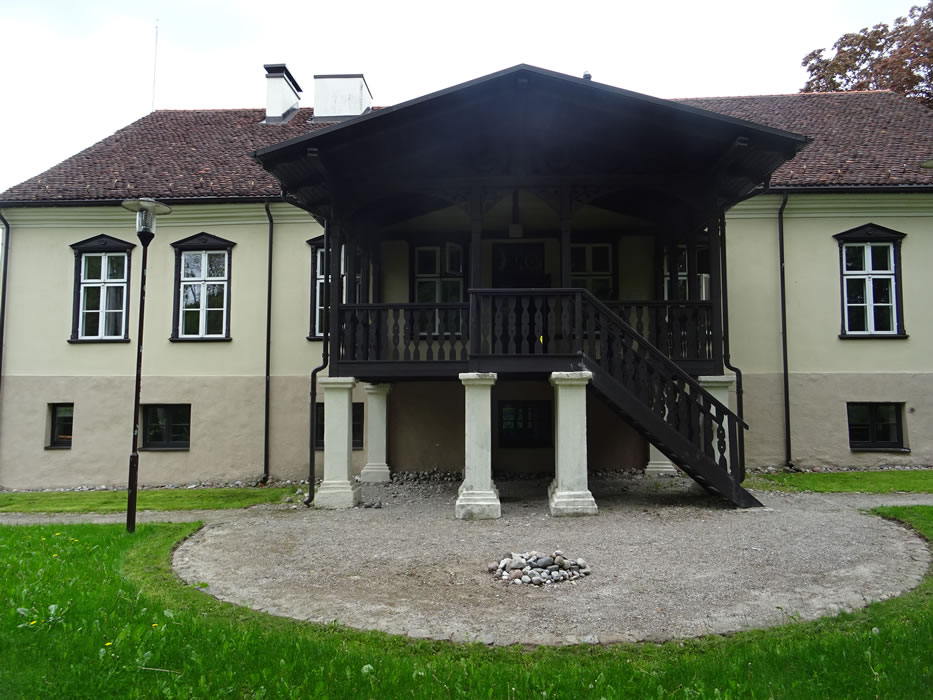
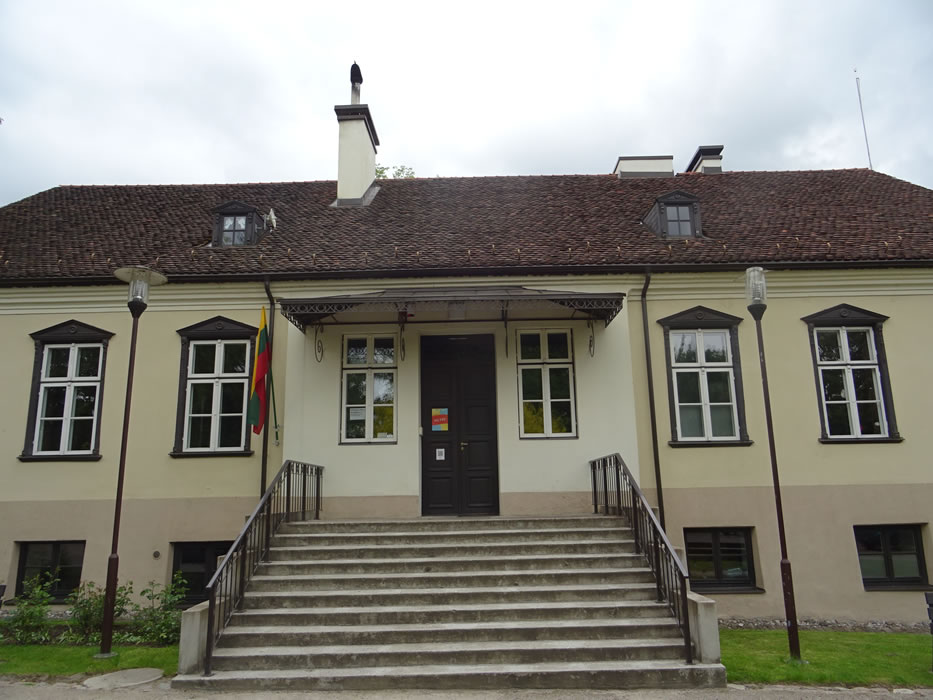
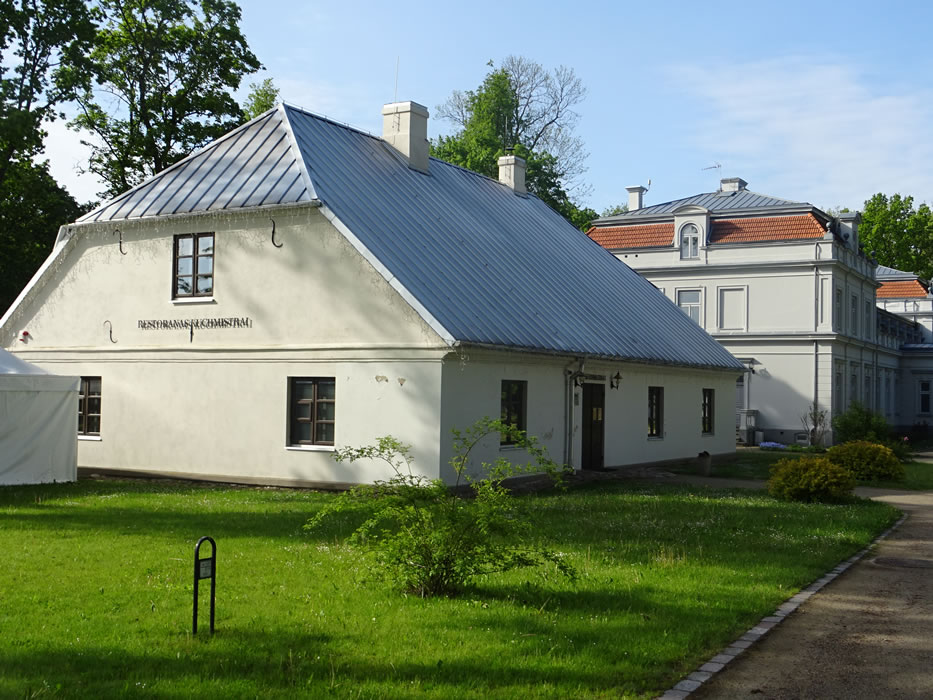
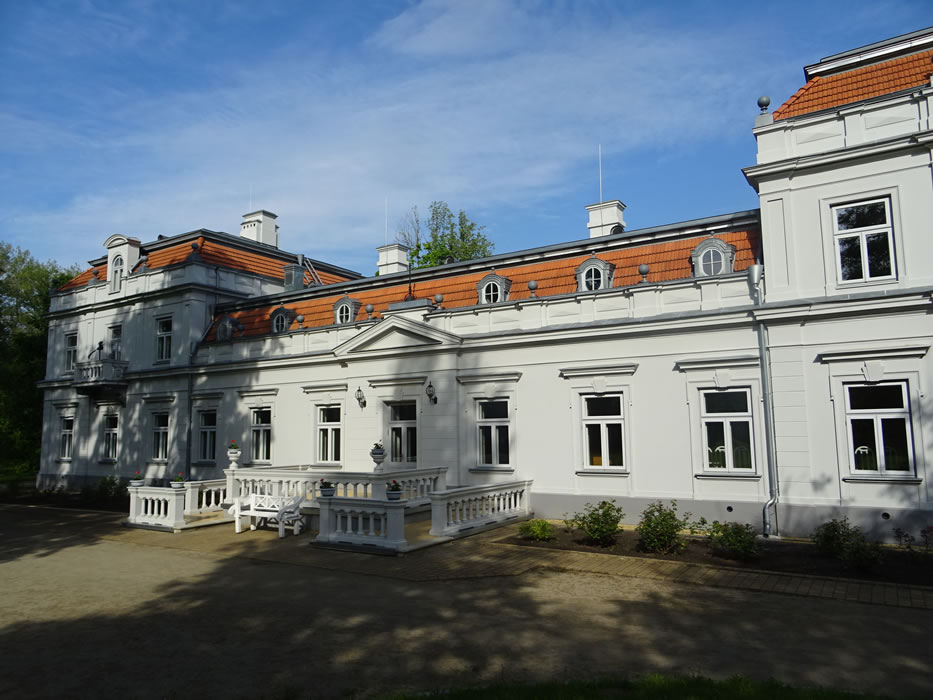
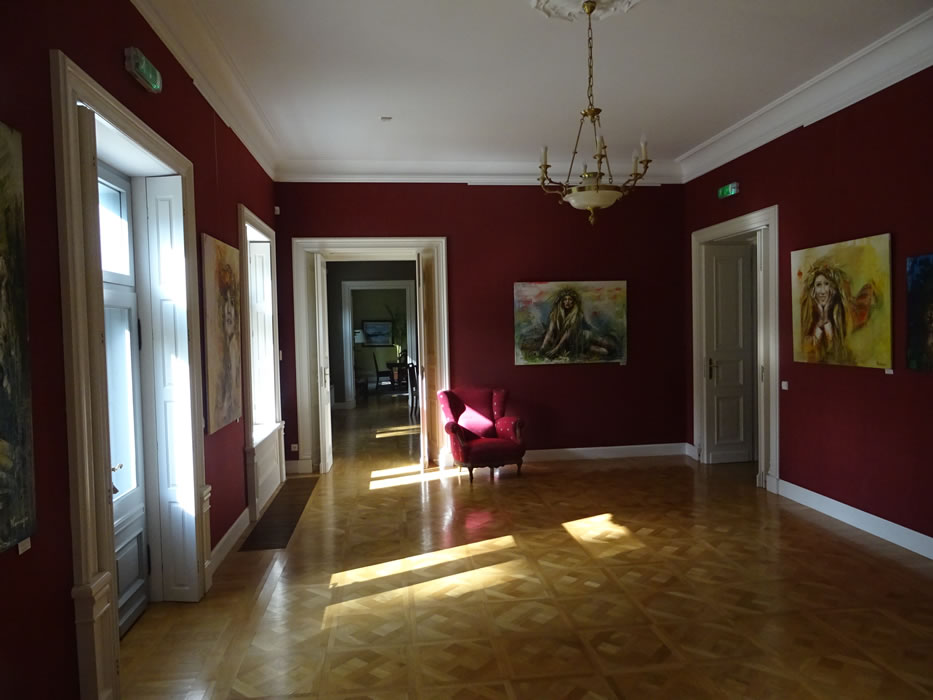
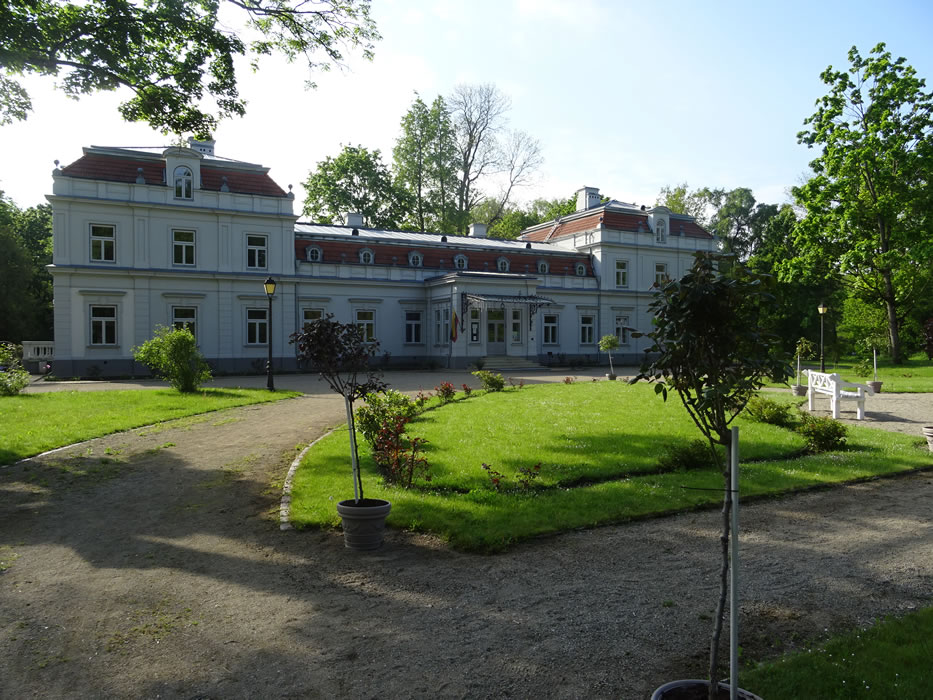
Zypliai manor is one of the youngest manors in Lithuania, the construction of which began in 1845 and was completed in 1855. It is an object of architectural and engineering cultural heritage. It is a classicist-style manor house, which consists of 11 buildings - the palace itself, two symmetrically arranged offices, a kitchen, a cowshed, a stable, barns, wheelhouse and other buildings. One of the largest manor parks in Lithuania, covering an area of 21 hectares, has been established nearby. Around 1897 a fire broke out in the manor, all the wooden buildings burned down and the brick ones were rebuilt in their place. In 1898-1901 the manor house was rebuilt, became more ornate, acquired the original neo-baroque features. The manor belonged to various owners, and in 1919 a seminary of priests was brought to it from Seinai. Later, an agricultural school, a hospital and a post-war hospital operated in the manor buildings. The collective farm office, the district executive committee, was also located here. In 2002 the reconstruction of the manor began, which was completed in 2012. The gallery of the Zypliai manor is located in the former stable of the manor, and many works of art are exhibited here: paintings, handicrafts, wood, stone sculptures, ceramics, blacksmithing and glassware. There is a pottery workshop in the barn of the manor, and the Zanavykai regional museum is located in the carriage. Artists of various fields exhibit their works in the manor house, and there is an exposition of various finds, related to the history of the manor. There is a gallery and various exhibitions in the renovated former manor stables. The forge has also been restored in the manor house, and there is a pottery workshop.
Gelgaudiškis manor
(Parko st., Gelgaudiškis, Šakiai district)
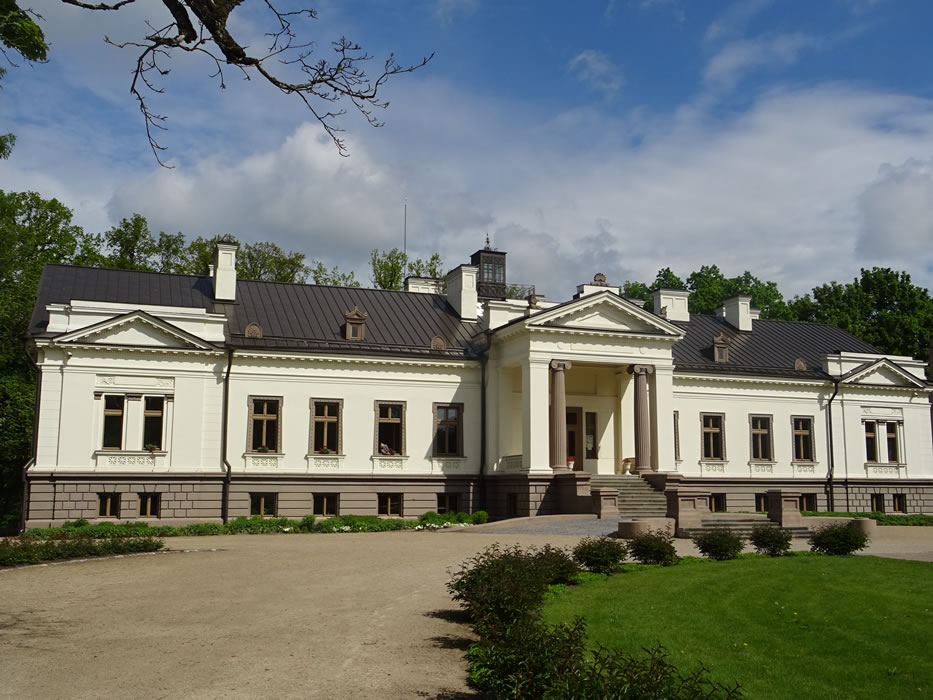
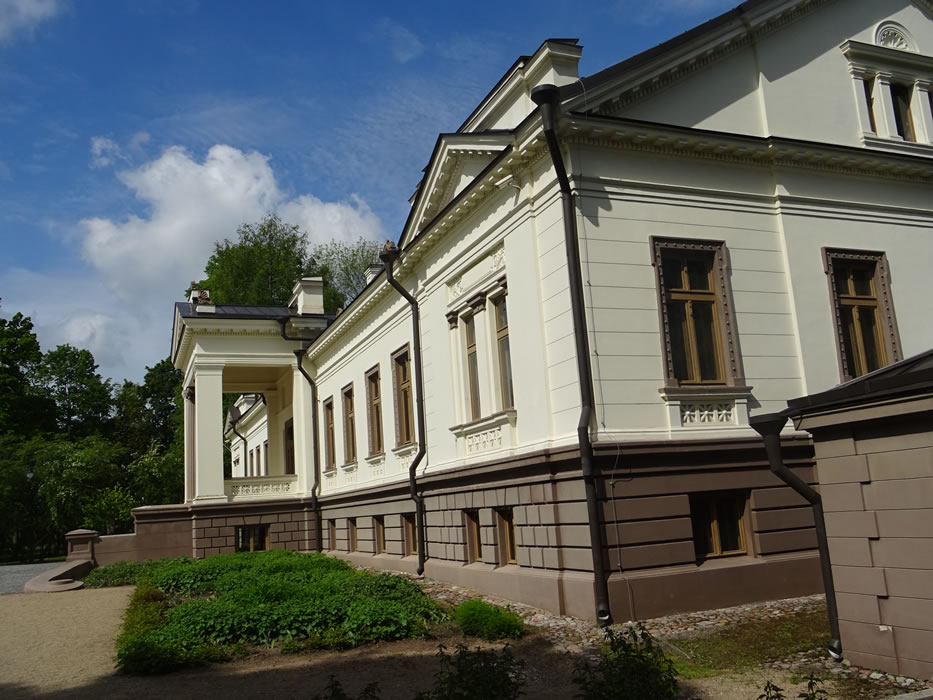
The first manor house was a small wooden castle. The current brick buildings of one-storey oblong rectangular plan of the palace were erected in 1842-1846, they are in the classicist style, both facades has columns, balustrades, other decorative elements. The ensemble of the manor house also included a chapel and a cemetery. Total there are 10 surviving buildings - a palace, an office, a kitchen, a barn, a conservatory, a tower and others. An impressive large park with rare plants was established nearby. The owners of the palace changed several times, after the land reform of 1920 they were sold out. American Lithuanians established an orphanage here, run by a sharian nun. During Second world war, the palace housed the headquarter and military hospital. In the post-war years there was an orphanage, a boarding school and an auxiliary school. The Gelgaudiškis manor house was restored in 2012 with the support of European Union funds.
Ilguva manor
(Dvaro st.26, Ilguva village, Šakiai district)
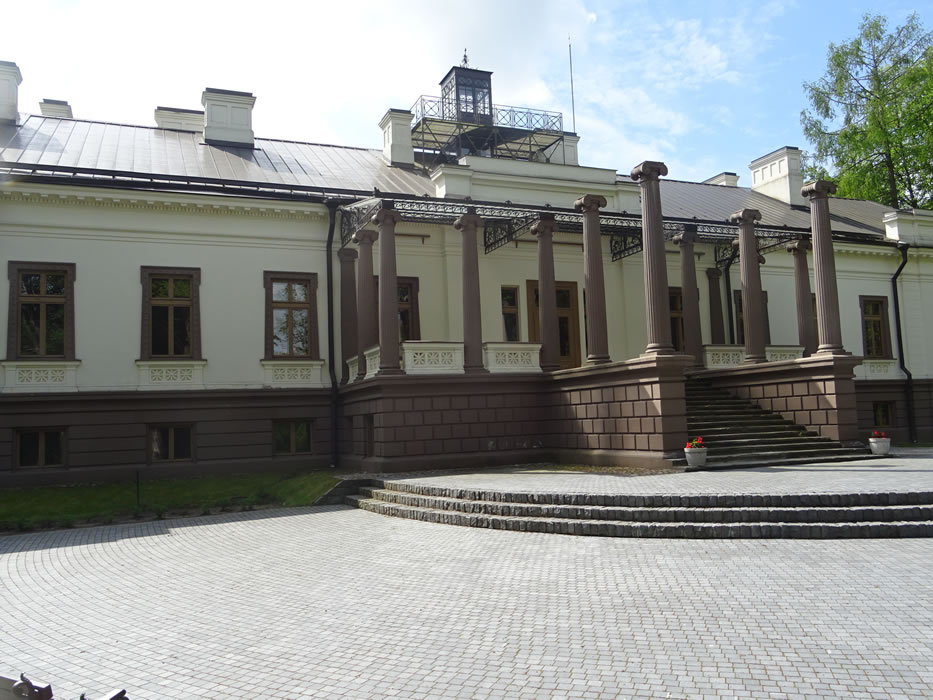
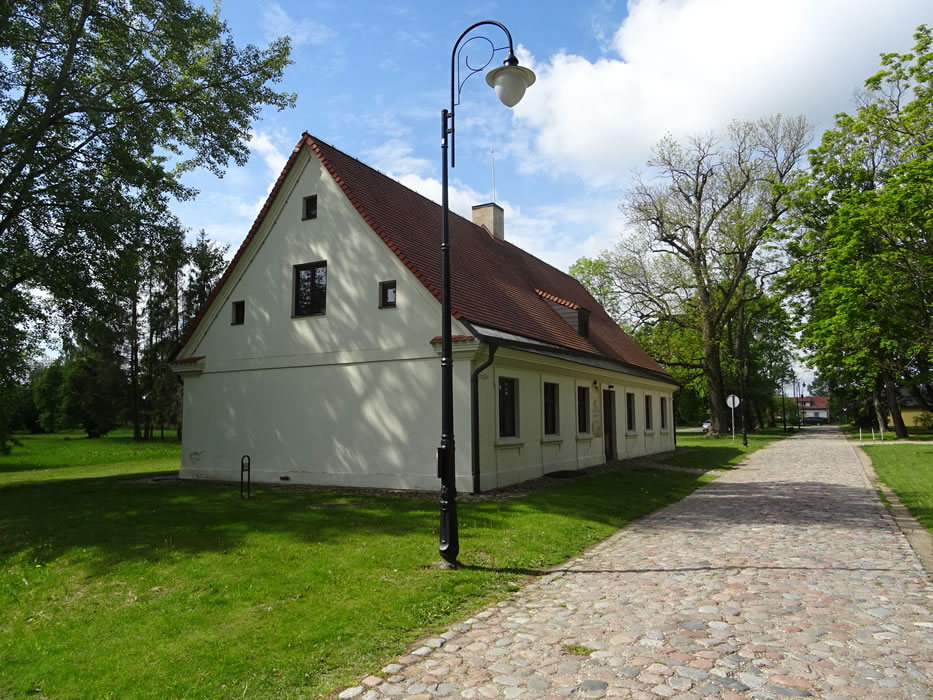
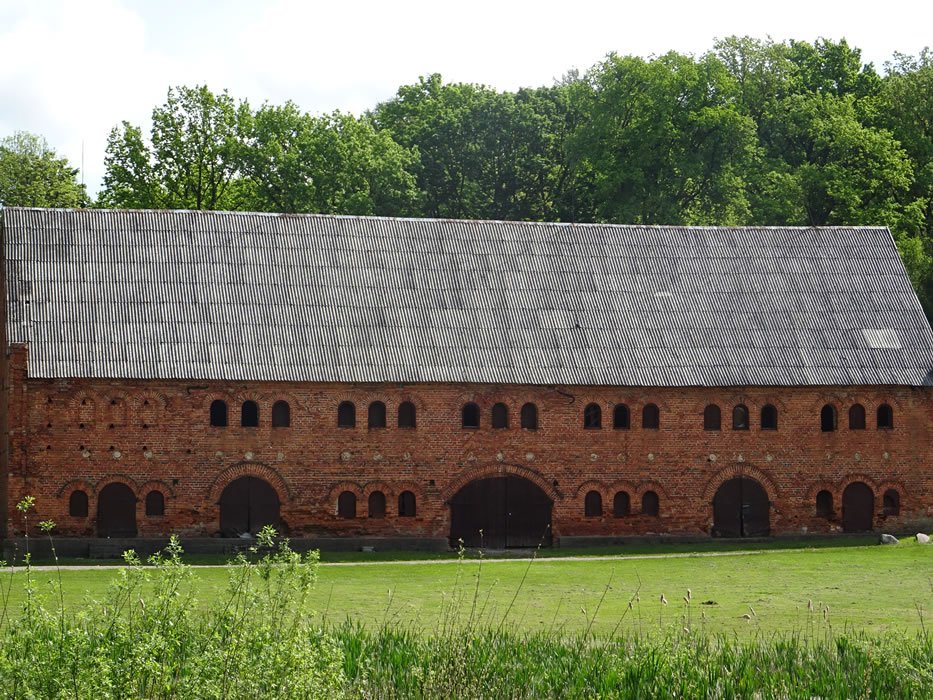
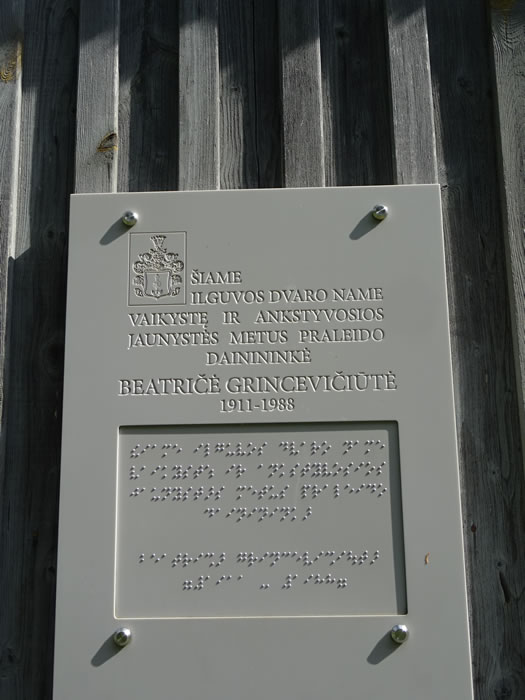
Ilguva manor was built on an 80 meter high river cliff at the confluence of Nyka and the Nemunas. The wooden palace on this site was built in the late XVIII century. The brick columns of the palace hold a triangular pediment, which is classified as folk classicism. The manor ensemble consisted of 11 different buildings - a palace, an office, a dwelling house, two chaise lounges, a wine cellar and others. Next to it in 1914 was built a wooden church of the Discovery of the St. Cross. Inside it hangs a painting "Mary with a Baby", painted by the Italian artist Francis Andriolli in 1814. The famous Lithuanian singer Beatričė Grincevičiūtė spent her childhood in Ilguva manor, located in Kriūkai eldership, and musicians, public figures and historians often visited here. The former wooden building of the manor house (built in 1790 from larch wood) has been restored with state funds, but is still not used. One other building, which was not used by the boarding house (former brick cemetery, laying, one residential house),was returned to the descendant of the former owners Liucija Grincevičiūtė.
The former barefoot carmelite monastery and the church of the Discovery of the Holy cross
(Bažnyčios st.28, Kudirkos Naumiestis, Šakiai district)
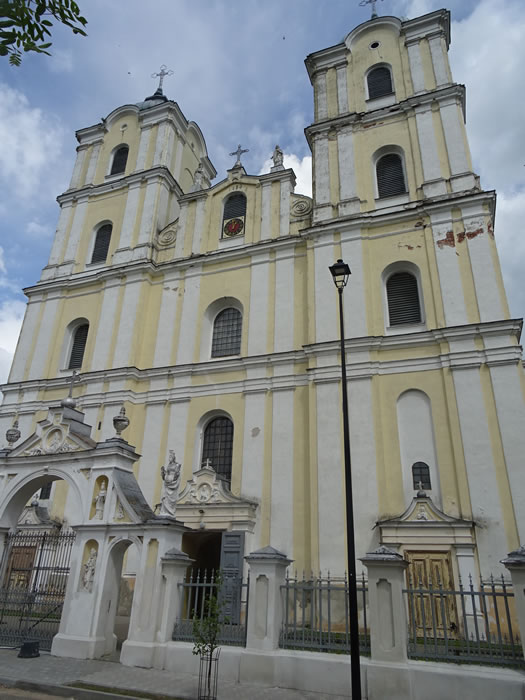
The former barefoot carmelite monastery and the church of the Discovery of the Holy cross are from the XVII century. The first chapel was built in 1642, and the carmelite monks founded the monastery in 1644. In 1781-1783 they built a tower-free baroque-style church with classicist features. The monastery was severely burnt down in 1803 and was completely closed by the Prussian authorities in 1805. In 1869 the church towers were built. The basilica church of three houses was demolished in 1914, its ceiling was broken, and it was also damaged during the Second world war, when the roof burned down and the towers collapsed. Immediately after the war, the reconstruction of the church began, and in 1950 its towers were rebuilt also.